
Last updated October 30, 2026
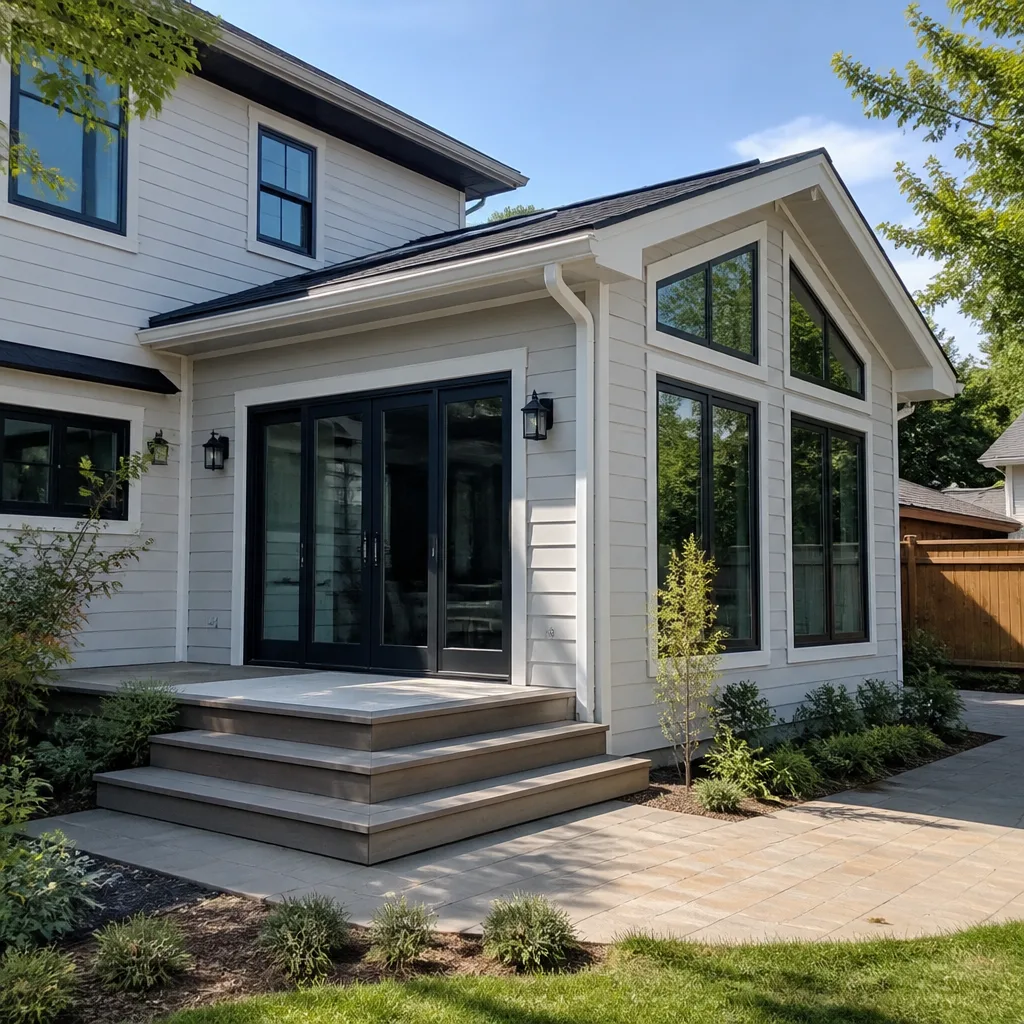 Home additions & ADU
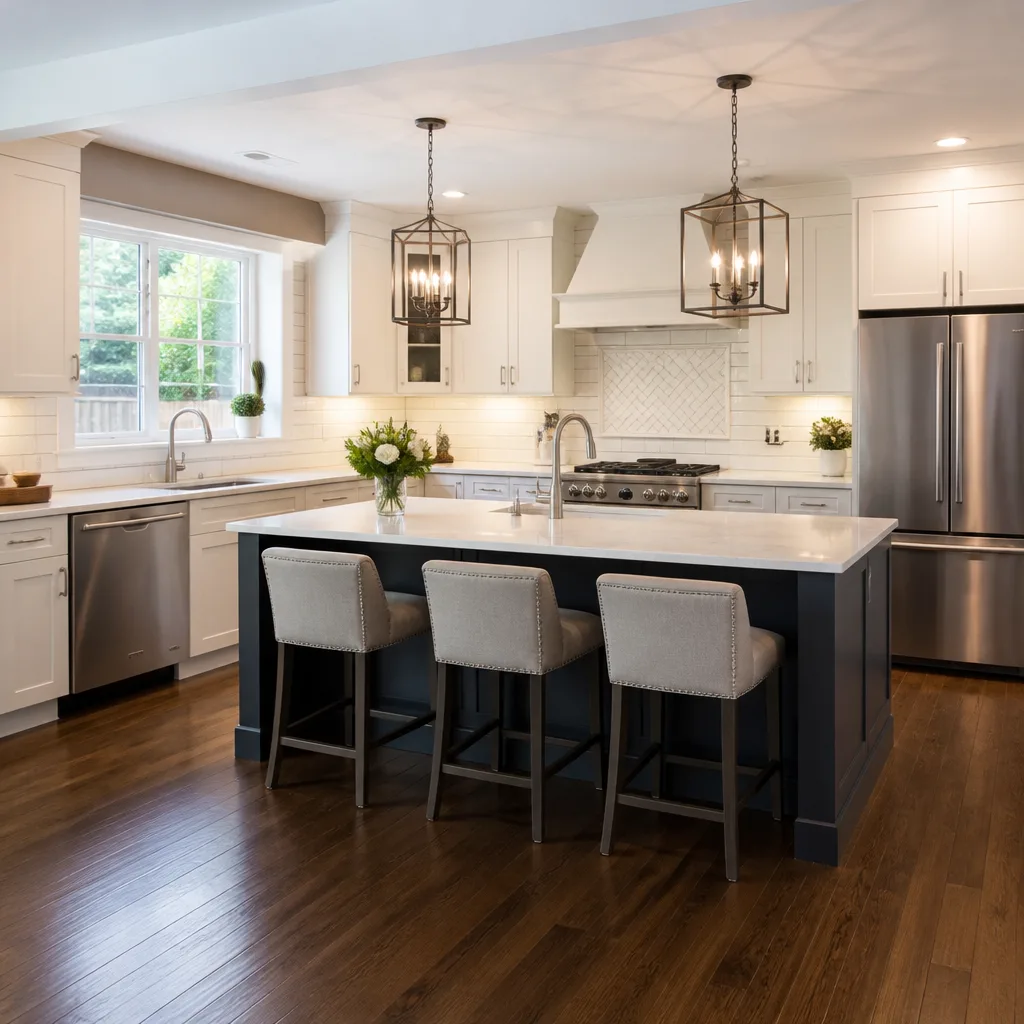 Kitchen remodeling
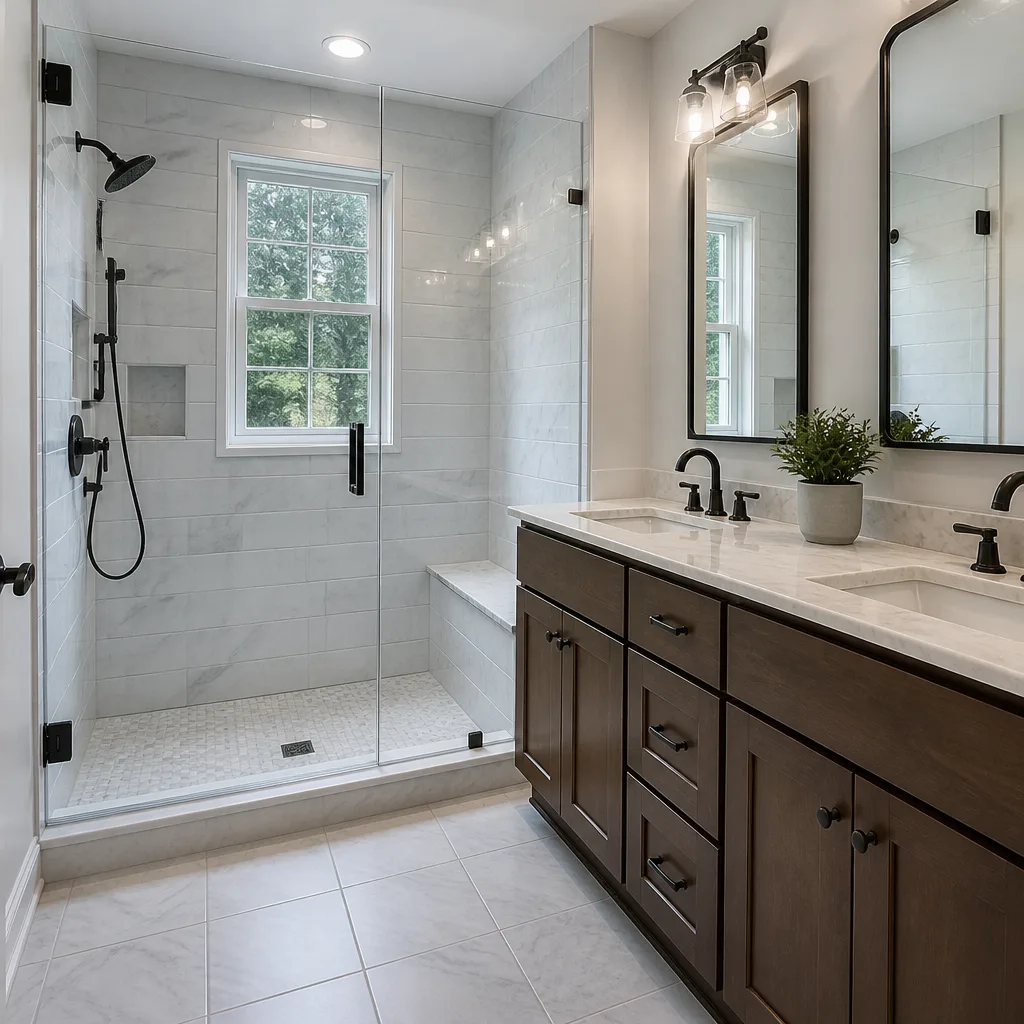 Bathroom remodeling
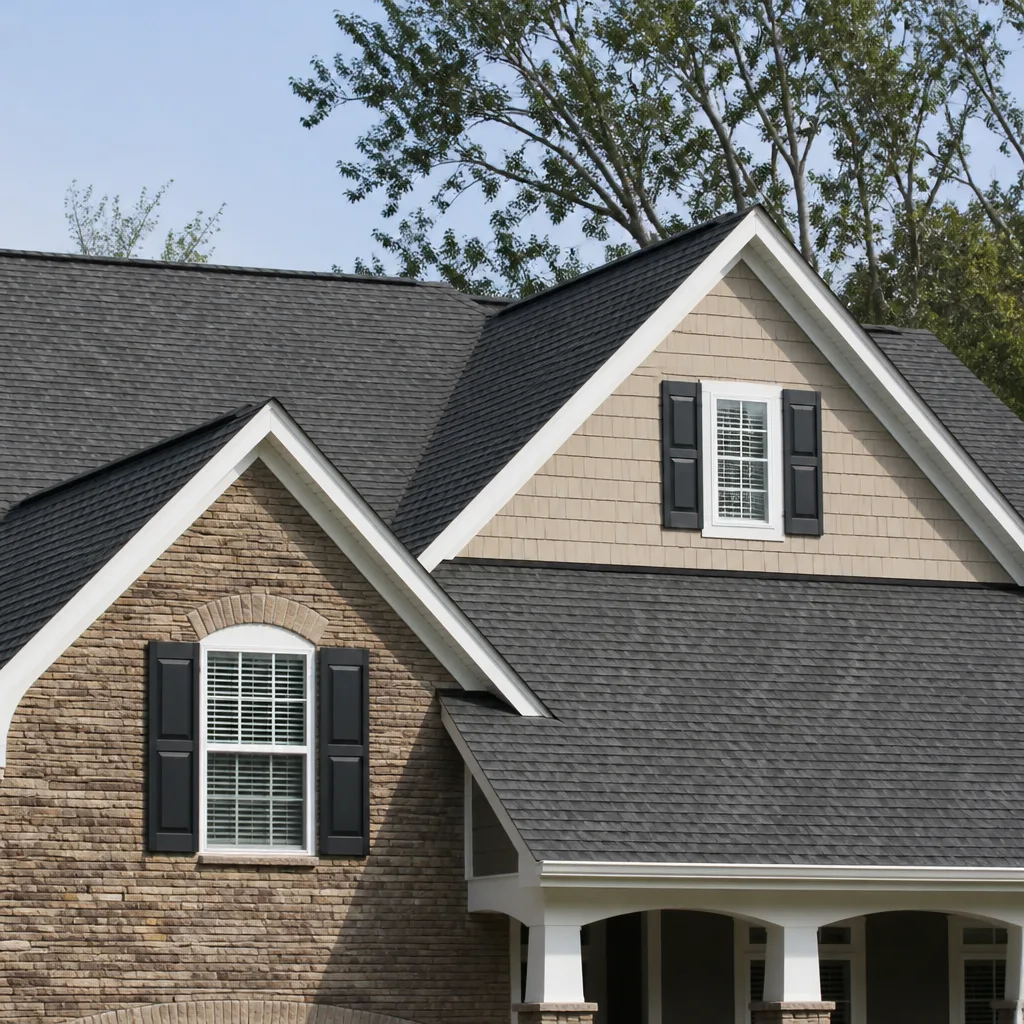 Roofing
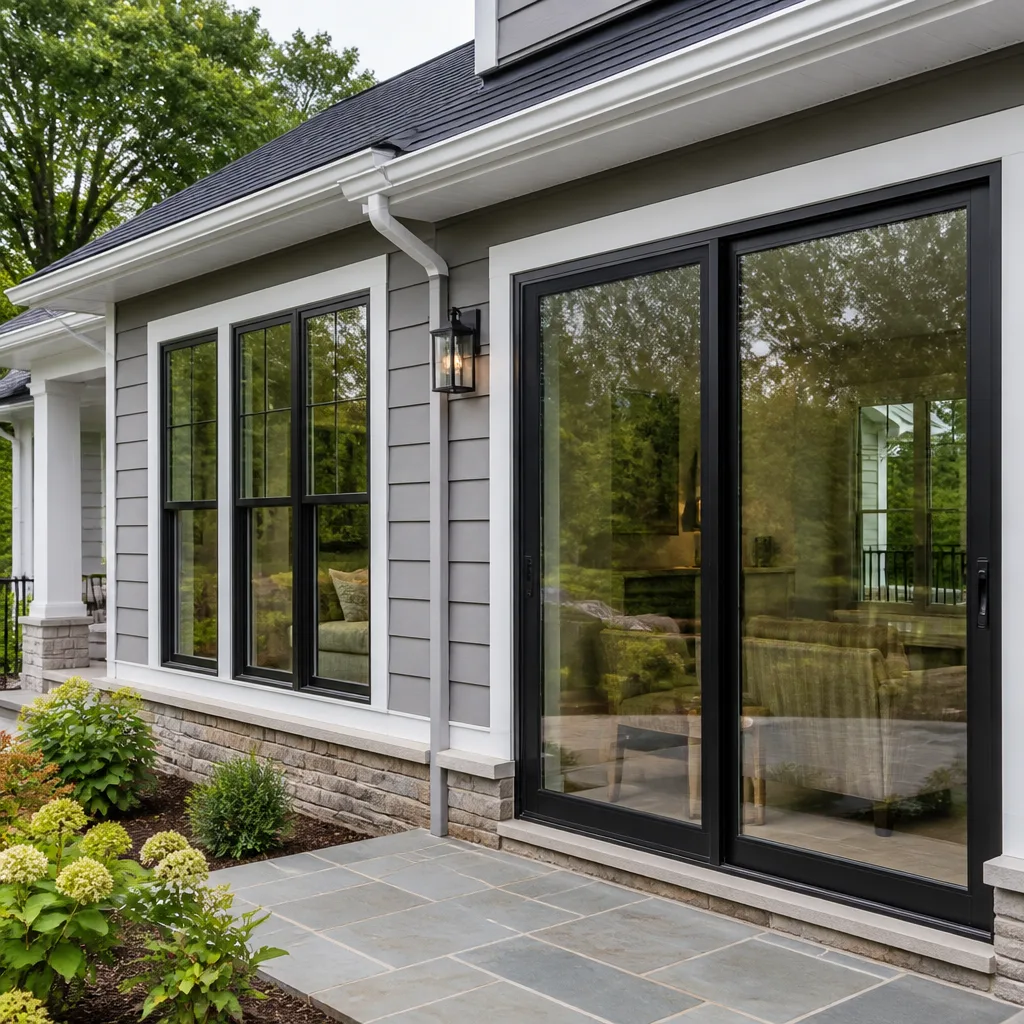 Windows & doors
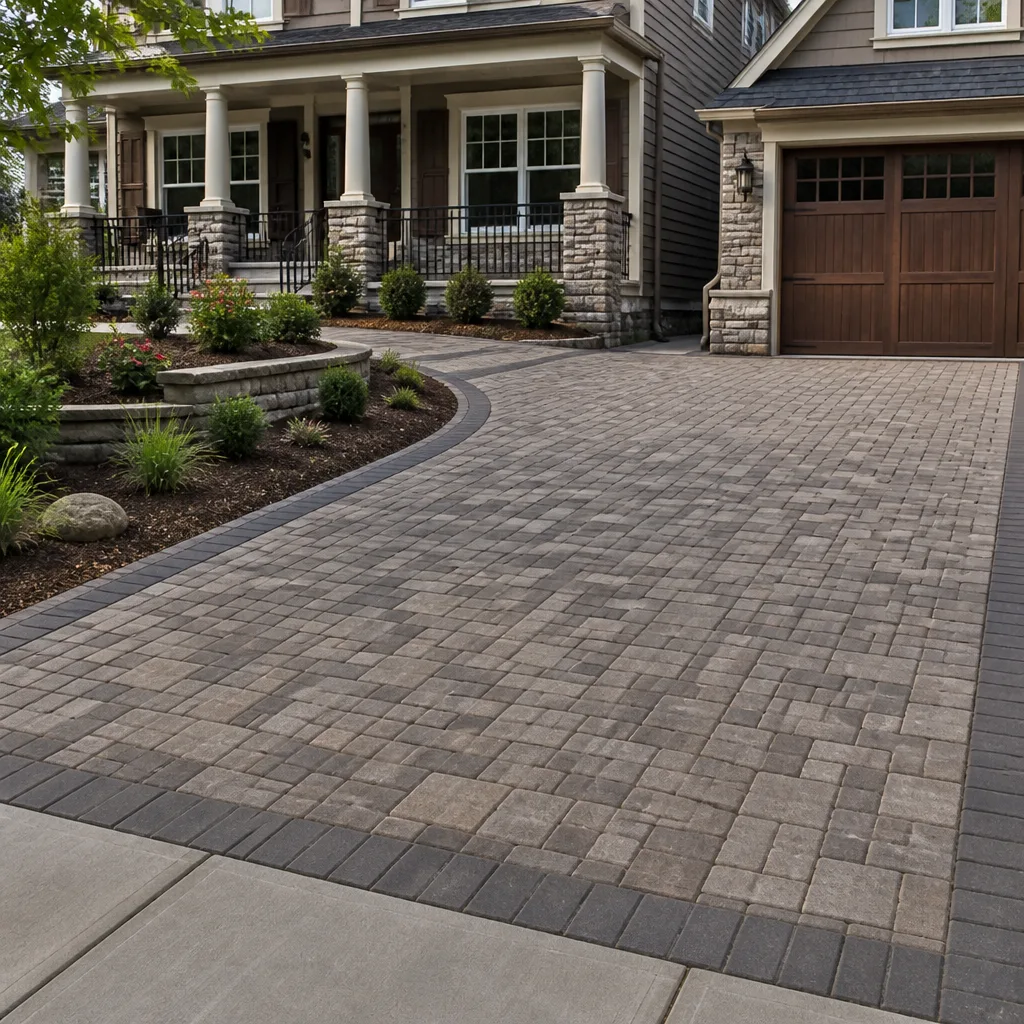 Driveway & pavers
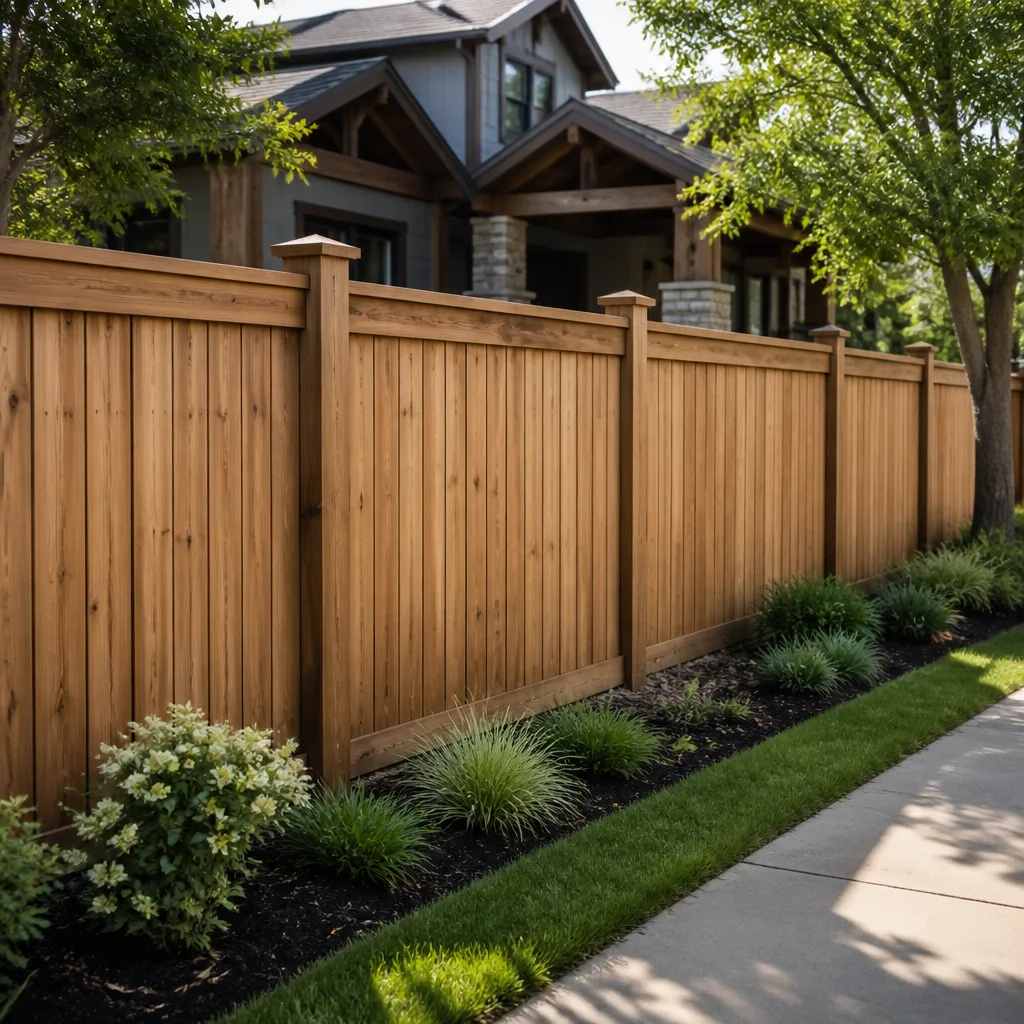 Fence
Free written scope consultation - allowances, timeline, and change-order rules on paper before a single trade is scheduled
Construction Cost Breakdown: The Newport Beach Homeowner’s Reference for 2026
Most Newport Beach remodel budgets underestimate by 20 – 30%. Not because of contractor markup, but because standard cost calculators don’t account for coastal material specifications, permit holding costs, or the architectural review fees some HOAs charge. This guide and our more guides & resources break down where money actually goes on a Newport Beach construction project in 2026, so you can build a realistic budget before the first hammer swings.
Quick Answer
A full-scale home remodel in Newport Beach in 2026 typically runs $250 – $450 per square foot for renovation work, with kitchens landing at $65,000 – $120,000, bathrooms at $35,000 – $75,000, and full gut renovations reaching $400,000 – $800,000 on larger homes. The premium over inland Orange County averages reflects coastal-grade material requirements, a competitive labor market driven by high-end project demand, and permit timelines that add carrying costs most calculators ignore. Planning for 18 – 22% contingency, not the standard 10%, is the single biggest budgeting correction we recommend for this market.
Styles & brands we work with
Table of Contents
- Why Coastal Materials Cost More in Newport Beach
- Newport Beach Permit Fees: Structure and Timeline
- The Carrying Cost Math: What Delays Actually Cost
- Labor Cost Benchmarks by Project Scope
- Setting a Realistic Contingency Budget
- Hidden Costs Most Estimates Miss
- Building Your 2026 Remodel Budget: Step by Step
- Common Mistakes to Avoid
- Frequently Asked Questions
Why Coastal Materials Cost More in Newport Beach
Salt air is unkind to building materials. It corrodes standard fasteners, pits unprotected metals, and accelerates wear on anything facing the ocean breeze. Newport Beach code enforcement and smart builders both insist on materials rated for marine exposure, and that requirement adds line-item costs most online calculators simply don’t include.
Here’s what the coastal material differential looks like in real numbers:
- Fasteners and hardware: Standard zinc-coated screws and brackets run $0.15 – $0.40 per piece. Hot-dipped galvanized or stainless equivalents run $0.80 – $2.50 each. On a 3,000-square-foot home, that single line item can add $8,000 – $15,000.
- Impact-rated windows: Standard dual-pane windows cost $400 – $800 per opening installed. Impact-rated units from coastal-grade manufacturers run $1,200 – $2,800 per opening. A whole-home window package in Newport Beach often lands $45,000 – $110,000, depending on opening count.
- Exterior doors: A standard fiberglass entry door runs $1,500 – $3,000. A coastal-rated unit with stainless hinges and marine-grade weatherstripping runs $4,000 – $8,500.
- Salt-rated HVAC components: Coastal condenser coils with anti-corrosion coating add $1,800 – $4,500 per system over standard units. In Newport Beach, this is not an upgrade; it’s baseline.
- Exterior paint and sealants: Marine-grade paints and elastomeric coatings add $3 – $7 per square foot over standard exterior finishes on a home’s envelope.
We tell homeowners the same thing on every coastal project: the wrong fastener will rust through in five years and you’ll pay to replace it, plus whatever it was holding together. The right specification costs more on day one and disappears from your maintenance list for decades. Polaris Contractors draws from Polaris Contractors home material standards that assume ocean proximity, not inland averages, when we spec a job.
Newport Beach Permit Fees: Structure and Timeline
Newport Beach permit costs run higher than neighboring cities, and the timeline is longer. Plan check alone routinely takes 6 – 10 weeks for a kitchen or bath remodel, and 12 – 20 weeks for additions or structural work. Coastal development permits, required for any exterior change visible from public vantage points within the coastal zone, add another 8 – 14 weeks and $3,000 – $12,000 in review fees.
A typical fee breakdown for a mid-size remodel in 2026:
- Building permit base fee: $1,200 – $4,500, based on valuation
- Plan check fee: Typically 65% of the building permit fee, so $780 – $2,925
- Electrical, plumbing, mechanical permits: $400 – $1,800 combined, scope-dependent
- Coastal development permit (if required): $3,000 – $12,000
- School district fees (for additions over 500 sq ft): $4 – $6 per square foot
- HOA architectural review: $250 – $2,500, depending on the association
Expediting is available through third-party plan review services, and in our experience it shaves 4 – 8 weeks off the front end at a cost of $2,500 – $7,500. When timeline matters, that fee often pays for itself in avoided carrying costs, which we cover next.
The Carrying Cost Math: What Delays Actually Cost
Here’s the number most Newport Beach budgets miss entirely: a 3 – 4 month additional delay between plan check and HOA review costs real money, and not just in frustration.
Sample carrying cost calculation for a $300,000 remodel:
- Construction loan interest during delay: $300,000 at 8% annual = $2,000/month. Four months = $8,000.
- Temporary housing: $3,000 – $5,000/month for a furnished rental on the peninsula. Four months = $12,000 – $20,000.
- Storage for displaced belongings: $300 – $600/month. Four months = $1,200 – $2,400.
- Re-mobilization costs if a crew is released and re-hired: $3,000 – $8,000.
- Material price escalation: 2025 – 2026 lumber and composite pricing moved 3 – 6% annually. On a $60,000 material package, a four-month delay adds $600 – $1,200.
Total carrying cost of that delay: $25,000 – $40,000, before a single change order. That’s the real argument for spending $5,000 on expediting and front-loading permit applications aggressively. It’s also the argument for working with a contractor who has navigated Newport Beach’s Community Development Department enough times to avoid the re-submission loops that eat weeks.
Labor Cost Benchmarks by Project Scope
Newport Beach labor rates reflect the market: high-end finish demand, tight job site access on Balboa Island and the peninsula, and a labor pool stretched by continuous high-end construction across coastal Orange County. Here’s what we see as honest 2026 ranges, including materials and labor, for major scopes.
- Kitchen remodel (mid-range finishes): $65,000 – $95,000 for a 200 – 300 sq ft kitchen. Design-forward selections from brands like Kohler or Toto plumbing fixtures push toward $120,000 – $140,000.
- Primary bathroom remodel: $35,000 – $65,000 standard; $65,000 – $95,000 with curbless shower systems, heated floors, and premium fixtures.
- Secondary bathroom: $22,000 – $40,000.
- Roof replacement (composite shingle): $18,000 – $35,000 for a 2,500 sq ft home; tile or standing seam runs $40,000 – $80,000.
- ADU addition (prefab): $220,000 – $420,000 all-in, depending on manufacturer and site work. Prefab ADUs through partners like Abodu or Boxabl can cut 4 – 8 months off a traditional stick-built timeline.
- Full gut renovation: $250 – $450 per square foot. A 3,000 sq ft home runs $750,000 – $1,350,000.
- Hardscaping and outdoor living: Pavers, retaining walls, and outdoor kitchens typically land $35,000 – $100,000 depending on yard size and elevation challenges.
One team managing the full scope changes how these dollars get spent. When roofing, windows, and interior finishes are coordinated under a single contract, crews sequence work without downtime, and material deliveries arrive when each phase is ready. Our approach at Polaris Contractors is to manage the entire project from the roof down to the pavers, which eliminates the scheduling gaps that inflate labor costs when multiple contractors coordinate poorly. If you’re considering a broader project, our General Contractor in Anaheim page outlines how full-scope management works in practice, and many of the same principles apply on the coast.
Setting a Realistic Contingency Budget
The industry-standard 10% contingency is not enough for a Newport Beach renovation. Here’s why: coastal projects encounter hidden conditions at a higher rate than inland builds. Salt-damaged framing behind otherwise clean drywall. Corroded plumbing stacks. Dry rot in window surrounds that only appears after demo. Termite damage that the pre-purchase inspection missed five years ago.
We recommend planning your contingency by project type:
- Interior remodel with no structural changes: 12 – 15% contingency
- Interior remodel with structural or layout changes: 15 – 18% contingency
- Exterior envelope work (roof, windows, stucco, decking): 18 – 20% contingency
- Full gut renovation with unknown framing conditions: 20 – 22% contingency
- Any project on a hillside or with retaining walls: 20% minimum, plus a geotechnical buffer
We’ve seen too many Newport Beach homeowners spend their entire contingency by week six, then face a choice between borrowing more or cutting scope. The right contingency number is the one that lets you sleep through demo day.
Hidden Costs Most Estimates Miss
Beyond materials, labor, and permits, Newport Beach projects carry ancillary costs that rarely appear in an initial quote. Understanding them before you sign prevents the change-order surprises that kill trust mid-project.
- Job site access constraints: Peninsula and island streets are narrow. Deliveries may require traffic control, crane permits, or sidewalk closures. $1,500 – $5,000 per project.
- Debris removal and disposal: Newport Beach requires covered hauling and specific dumpster placement rules. Budget $1,800 – $4,500 for a full remodel.
- Protection of existing finishes: Floor covering, dust barriers, and HVAC isolation during construction. $2,000 – $6,000 depending on home size.
- Asbestos and lead testing: Homes built before 1978 need lead testing if painted surfaces will be disturbed; pre-1980 builds may have asbestos in flooring or insulation. $800 – $2,500.
- Temporary power and water: If your service panel is being relocated or upgraded, $1,200 – $3,500.
- Security during construction: A home with a missing wall or door is a theft target. Temporary fencing and camera monitoring run $400 – $1,200 per month.
A good contractor’s estimate line-items these out. If a bid seems too low, it’s probably because these costs are missing, not because the other guy found a magic way around them. For a deeper look at how these factors play out across a whole-home project, see our Home Remodeling in Anaheim guide, which covers the same hidden-cost logic for inland Orange County.
Building Your 2026 Remodel Budget: Step by Step
Here’s the process we walk Newport Beach homeowners through before any contract is signed. It’s designed to produce a number you can actually commit to, not a ballpark that drifts.
- Lock your scope first. Write down what changes, what stays, and what’s a maybe. Scope drift is the number one budget killer. A kitchen that becomes a kitchen plus pantry plus half-bath is no longer a kitchen remodel.
- Get a real site evaluation before the estimate. A contractor who prices from plans alone is guessing. We walk every job site before we quote, checking access, looking at existing conditions, and identifying demolition risks. If a bid arrives without a site visit, ask why.
- Choose material tiers early. Mid-market plumbing from American Standard or Delta lands very differently than design-forward lines from Grohe or Toto. The time to decide is before framing begins, not during fixture selection in week ten.
- Run the permit timeline before committing to a start date. Apply for permits the day your plans are final. Don’t sign a lease on a rental assuming a two-week plan check.
- Set contingency at 15 – 20% based on the scope table above. Then add 5% if the project touches any exterior surface.
- Lock pricing on long-lead items. Windows, custom cabinetry, and tile have 8 – 20 week lead times in 2026. Order early and lock pricing. Waiting adds cost and calendar time.
For homeowners weighing a full renovation against moving, our Home Renovation in Anaheim page offers a decision framework that applies just as well on the coast.
Common Mistakes to Avoid
- Trusting a national cost calculator. These tools use national averages that miss coastal material specs and Newport Beach labor rates by 30% or more.
- Skipping the permit conversation. Unpermitted work delays resale, voids insurance coverage on the affected scope, and creates liability. Permits in Newport Beach take longer than most cities; plan for it, don’t dodge it.
- Choosing the low bid as the automatic winner. A bid 20% below the others is missing something. Ask for a line-item breakdown and compare scopes, not just bottom lines.
- Ordering long-lead materials after demo begins. Windows and cabinetry often drive the schedule. Order first, demo second.
- Underestimating the disruption timeline for full-home work. A gut renovation means you’re out of the house for 6 – 12 months. Factor rent into the budget, not just the build.
- Allowing scope creep without re-pricing. Every “while we’re at it” addition changes the contract. Ask for written change orders with cost and timeline impact before approving anything.
See the difference
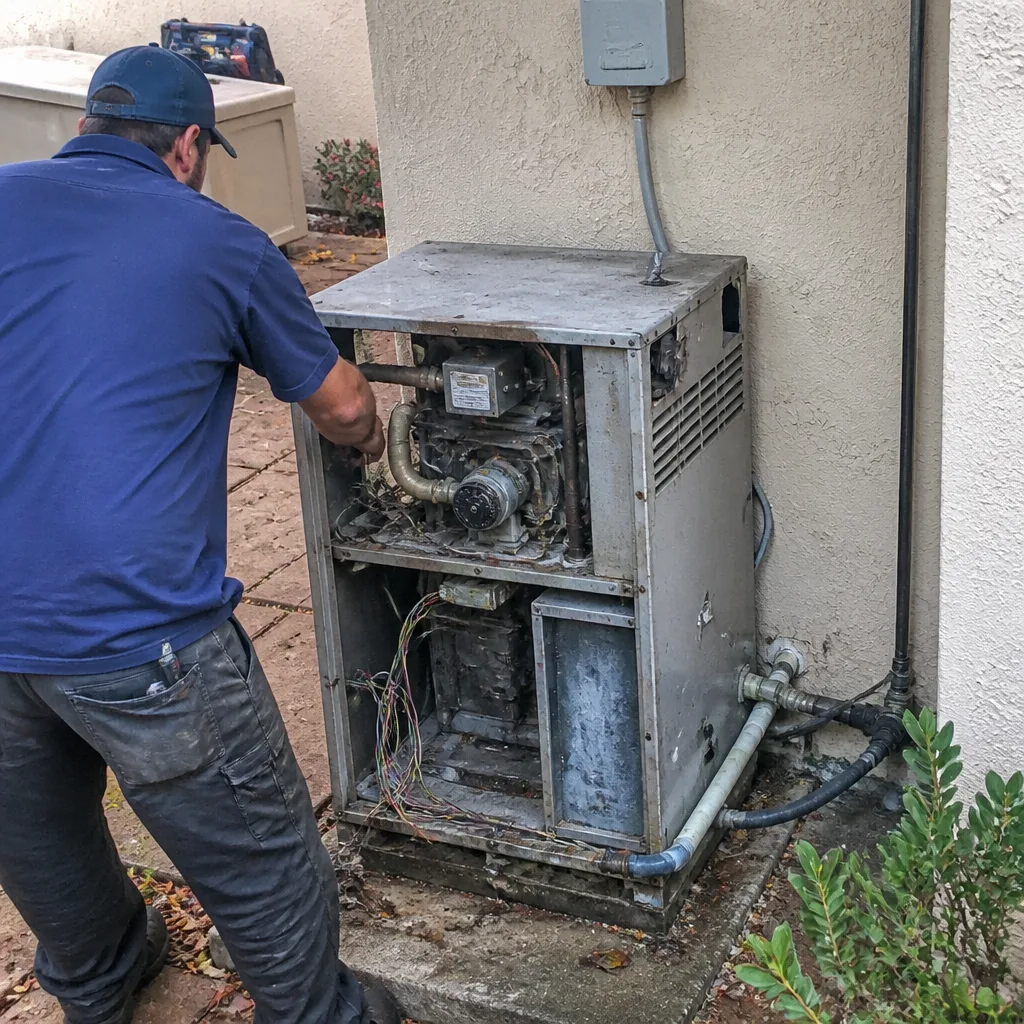 Before
 After
 Before
 After
 Before
 After
When to Call a Professional
If your project involves structural changes, plumbing or electrical moves, roof or window replacement, or anything touching the building envelope, the coastal code requirements alone justify professional management. A botched waterproofing detail two blocks from the ocean becomes a mold claim within a year. A permit application with missing coastal zone documentation adds months. Newport Beach renovation rewards experience with the local Community Development Department and deep familiarity with marine-grade specifications. Polaris Contractors offers free estimates in Newport Beach – call (855) 473-6535 to walk your project scope and get an honest number before you commit to anything.
Frequently Asked Questions
A Newport Beach kitchen remodel typically costs $65,000 – $120,000 in 2026, with mid-range projects landing around $80,000 and design-forward builds with premium fixtures from brands like Kohler, Grohe, or Toto reaching $140,000+. Coastal electrical requirements and ventilation code add about 8 – 12% over inland pricing.
Newport Beach plan check for interior remodels takes 6 – 10 weeks; structural additions run 12 – 20 weeks. Coastal development permits add 8 – 14 weeks when required. Expediting services can cut 4 – 8 weeks at a cost of $2,500 – $7,500. Call (855) 473-6535 for guidance on your specific scope.
Expect $250 – $450 per square foot for renovation work in Newport Beach in 2026, with full gut renovations at the top of that range and single-room remodels at the bottom. Coastal-grade materials account for roughly $40 – $70 of that per-square-foot cost.
Three factors drive the premium: marine-grade material requirements (stainless fasteners, impact windows, salt-rated HVAC), a competitive labor market skewed toward high-end coastal projects, and permit timelines that add carrying costs to the total project budget.
Budget 15 – 20% contingency for most Newport Beach projects, increasing to 20 – 22% for full gut renovations. The coastal environment hides dry rot and salt damage that only appears after demolition, making the standard 10% contingency risky in this market.
Interior-only work typically does not require a coastal development permit. Any exterior change visible from public vantage points, including window replacement, exterior paint color changes, additions, or roof material changes, likely triggers the coastal development review process. This adds 8 – 14 weeks and $3,000 – $12,000 in fees.
The Bottom Line
Building a realistic Newport Beach construction budget in 2026 means starting with the right cost per square foot, adding coastal-grade material premiums, factoring in a permit timeline that will be longer than you want, and holding a contingency reserve that matches the scope, not a national average. The homeowners who struggle are the ones who priced a Newport Beach project with an inland calculator. The ones who build with confidence are the ones who knew the real numbers before demolition day. Plan for the market you’re in, not the one the national averages describe. Call (855) 473-6535 for a free Newport Beach estimate, and you’ll get a line-item budget built for the coast, not for a spreadsheet.