
Last updated October 30, 2026
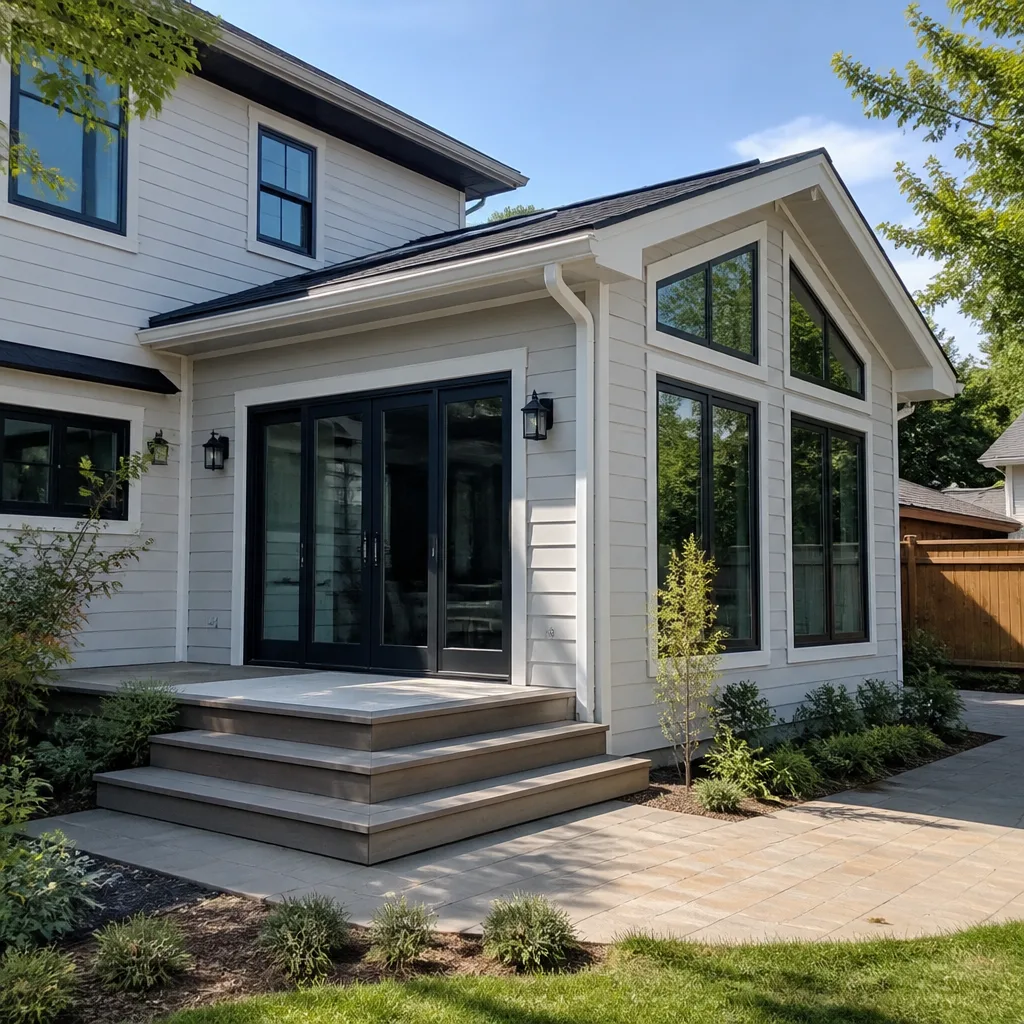 Home additions & ADU
 Kitchen remodeling
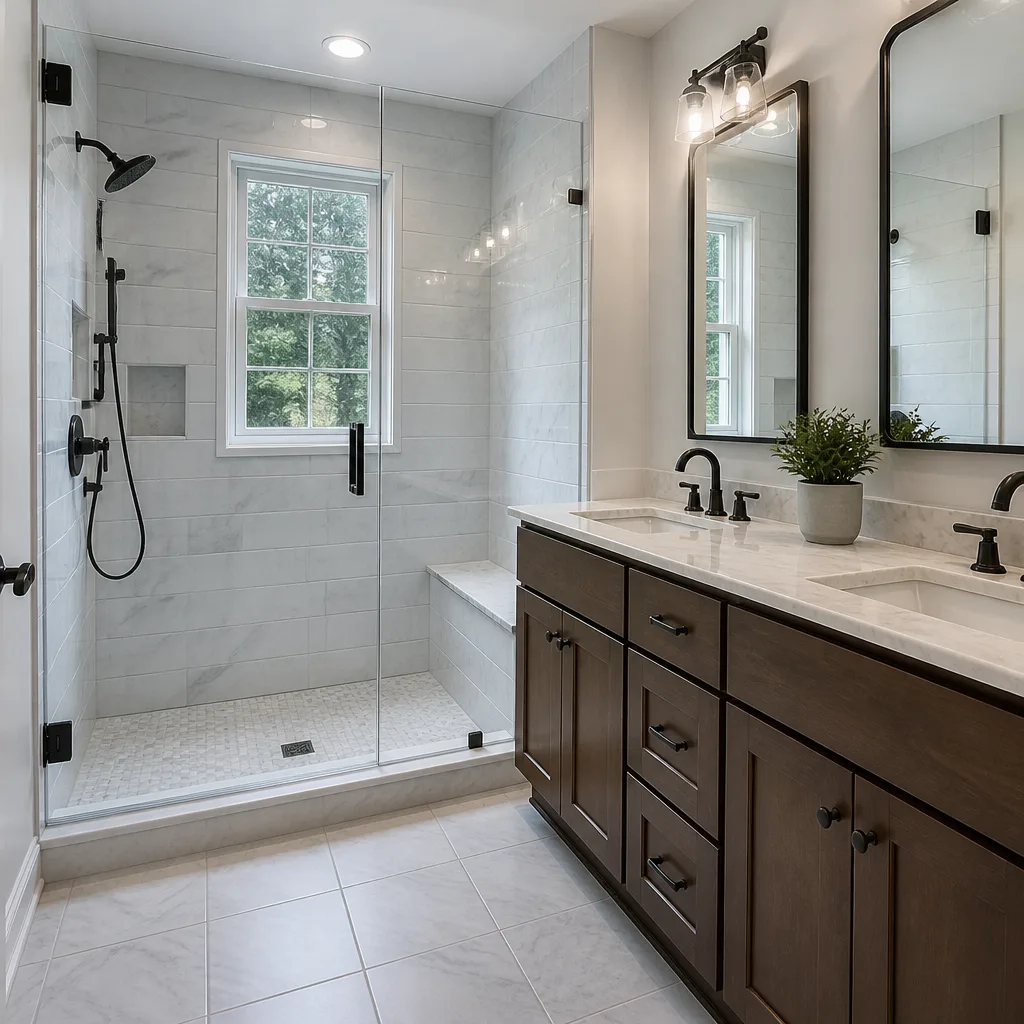 Bathroom remodeling
 Roofing
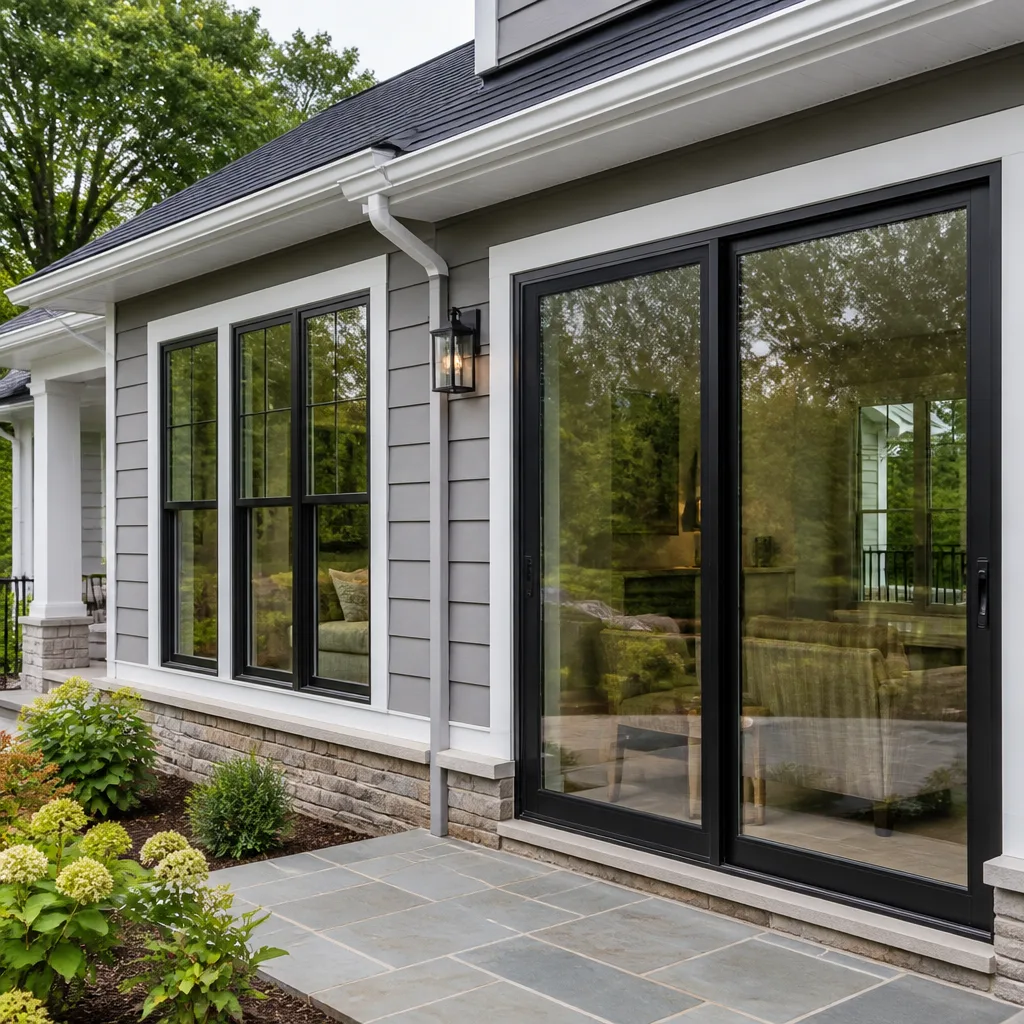 Windows & doors
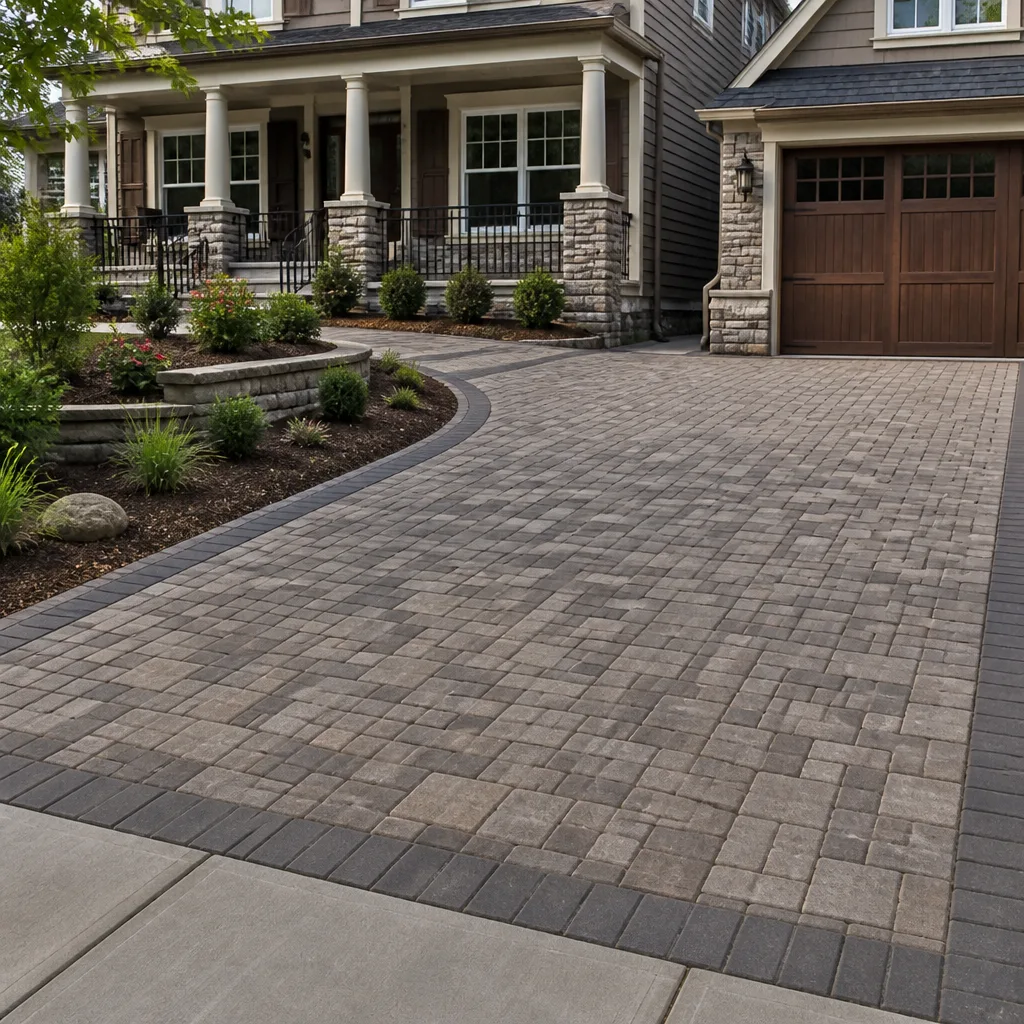 Driveway & pavers
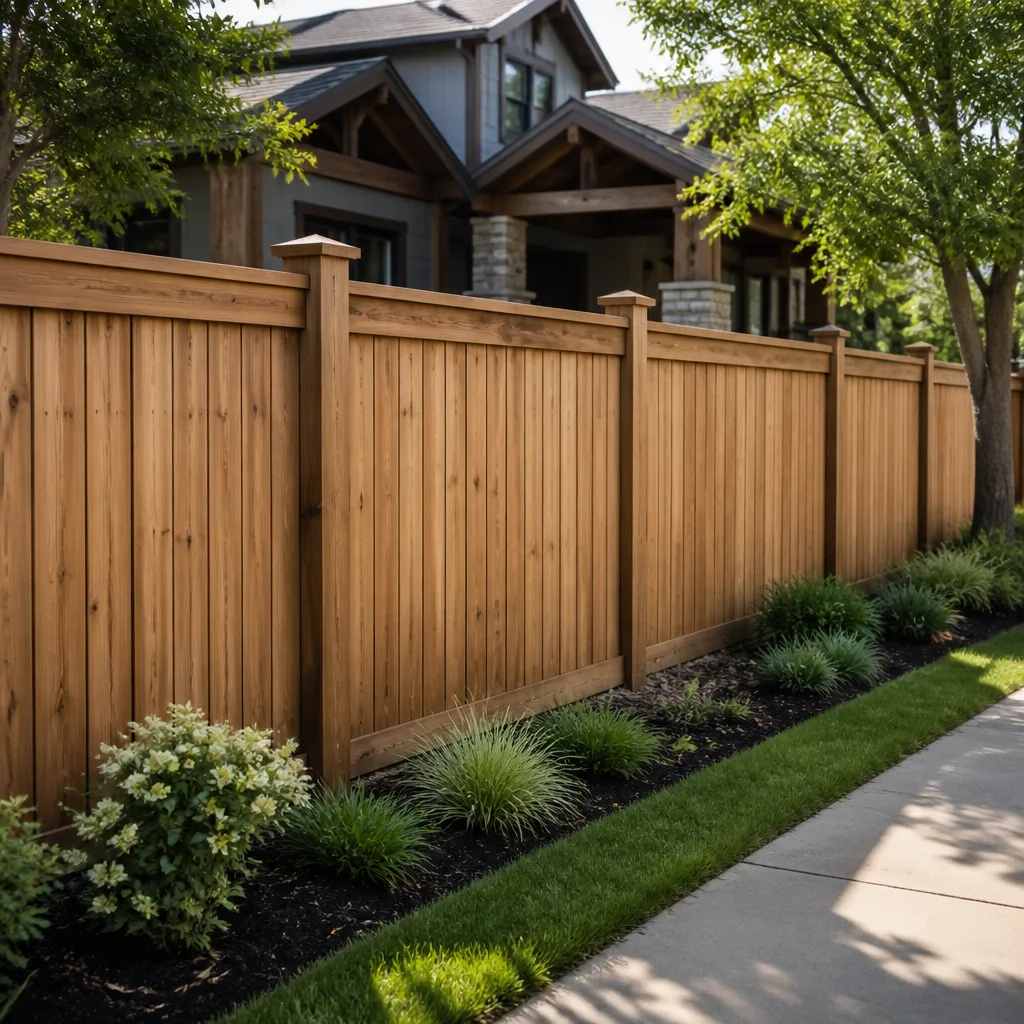 Fence
Free written scope consultation - allowances, timeline, and change-order rules on paper before a single trade is scheduled
The Complete General Contractor Guide for Newport Beach Homeowners
Newport Beach has three separate permit pathways depending on whether your property sits in the Coastal Zone, a historic overlay, or standard city limits. Most homeowners don’t find this out until their project is already stalled. This isn’t a bureaucratic footnote. It’s the difference between a renovation that starts on schedule and one that spends six months in review. This guide walks through what actually changes when you build in Newport Beach: how salt air reshapes material selection, why permit responsibility determines your liability, and what a realistic timeline looks like given current inspection backlogs. Whether you’re planning a kitchen remodel on Balboa Island or a full exterior overhaul in Corona del Mar, you’ll leave with the information that most homeowners only learn after paying for it.
Quick Answer
A general contractor in Newport Beach, CA is a state-licensed professional who manages your entire renovation under one contract, from permits and inspections to materials and installation. Hiring the right one means finding someone who understands the California Coastal Commission’s permit layer, specifies materials that hold up to salt air, and carries the license classifications that cover every trade your project requires. Most Newport Beach homeowners benefit most from a full-scope contractor who manages roofing, windows, interiors, and outdoor work as one coordinated job rather than stitching together separate bids.
Styles & brands we work with
Table of Contents
- Why Newport Beach Is Different From the Rest of Orange County
- The Three Permit Pathways in Newport Beach
- What Salt Air Does to Building Materials
- How to Verify a Contractor’s License Covers the Full Scope
- Who Pulls the Permits and Why It Matters
- A Realistic Renovation Timeline in Newport Beach
- How to Choose a General Contractor in Newport Beach
- Common Mistakes to Avoid
Why Newport Beach Is Different From the Rest of Orange County
Newport Beach doesn’t build like the rest of Orange County. A contractor who works successfully in Irvine or Tustin can step into a Newport Beach project and trip over requirements they never encountered inland. The reasons are specific, not cosmetic.
The first difference is regulatory. Newport Beach maintains one of the longest-standing Local Coastal Programs in the state, which means the California Coastal Commission has joint jurisdiction over a significant portion of the city. This isn’t a formality. It changes which projects trigger review, how long approvals take, and what you’re allowed to build in the first place. A deck addition two blocks from the sand may require Coastal Commission clearance that the same deck in Costa Mesa would never face. Your contractor needs to know this before the first drawing is done, not after the city flags the application.
The second difference is physical. Salt air in Newport Beach corrodes metal several times faster than air even a few miles inland. Standard framing connectors, exterior fasteners, and certain roofing underlayments that pass inspection in Anaheim will rust, pit, or fail prematurely along the Balboa Peninsula. This isn’t theoretical. We’ve seen galvanized hardware show visible corrosion within three years on ocean-facing homes. The material specification matters more here than almost anywhere else in the county. A general contractor who treats Newport Beach like any other job site is specifying the wrong products from day one.
The third difference is architectural. Newport Beach has historic overlay districts with design review requirements that don’t exist elsewhere. When you’re working on a home in a designated historic area, what you’re allowed to change extends beyond structure into materials, window profiles, rooflines, and exterior finishes. The city doesn’t just want to know that your renovation is safe. It wants to know whether it remains visually consistent with the district. That’s a separate review process with its own timeline.
None of this means Newport Beach renovations are impossible. It means they require a contractor who has worked through these layers before. If you’re comparing bids, ask directly: “How many Newport Beach projects have you completed, and how many required Coastal Commission review?” The answer tells you more than any portfolio photo. For a broader look at what full-scope contracting involves, visit the Polaris Contractors home page for an overview of how one team can manage an entire project.
The Three Permit Pathways in Newport Beach
Newport Beach doesn’t have one permitting system. It has three, and which one applies to your project determines everything from timeline to feasibility.
Pathway 1: Standard City Permits. This applies to the majority of homes east of the Coastal Zone boundary. If your property sits in neighborhoods like Newport Heights, Westcliff, or the inland portions of Corona del Mar, you’re working through the City of Newport Beach’s standard building permit process. This requires submittal of plans, plan check review, permit issuance, then inspections through construction. It’s the same basic structure as most Orange County cities, though Newport Beach’s plan review times have stretched in recent years due to staffing and inspection volume.
Pathway 2: Coastal Zone Permits. If your home falls inside the California Coastal Zone, which covers a large swath of the Balboa Peninsula, Balboa Island, Lido Isle, and oceanfront Corona del Mar, you may have a second layer of review. Projects that alter square footage, change exterior appearance, or affect shoreline access can trigger Coastal Commission scrutiny. In practice, this means your project may require a coastal development permit in addition to the city’s building permit. The coastal permit process adds review time and can impose design restrictions that don’t apply inland. A general contractor in Newport Beach who has navigated this layer knows how to sequence the applications so they don’t stall each other.
Pathway 3: Historic Overlay Review. Certain neighborhoods, including parts of the Balboa Peninsula and specific older sections of the city, sit within historic overlay districts. When your home is in one of these districts, exterior changes, window replacements, and even certain material swaps trigger design review. The city wants to preserve the architectural character of the district. This means you can’t always replace a wood window with vinyl or change a roof profile, even if the new material is objectively better. The right contractor checks this overlay status before you fall in love with a design that can’t be approved.
Here are the steps we recommend for any Newport Beach homeowner before signing a contract:
- Pull your property’s zoning and overlay status from the city’s GIS portal. You want to know if you’re in the Coastal Zone and whether a historic overlay applies.
- Ask your contractor to identify which permit pathway applies to your specific project. If they can’t answer in thirty seconds, they haven’t done the homework.
- Confirm whether a coastal development permit or design review will be required, and build that into your timeline before you start.
- Get the sequence in writing: which permits come first, which inspections follow, and who handles each submittal.
For homeowners east of Newport Beach looking at similar projects, the process differs enough that you’ll want separate guidance. Our General Contractor in Anaheim page covers what changes when you cross city lines, particularly around plan review times and trade licensing norms.
What Salt Air Does to Building Materials
Newport Beach’s coastal environment isn’t a preference. It’s a specification driver. The same materials that perform fine in Tustin or Orange will degrade measurably faster when exposed to the marine layer, salt spray, and constant humidity that define life near the water. A contractor who doesn’t account for this is building a renovation that will look tired before it’s paid off.
The most obvious failure point is exterior metal. Standard galvanized fasteners, brackets, and flashing begin showing rust within a few years on ocean-facing homes. In our experience, the worst corrosion occurs on the north side of the house and on any surface that stays shaded and damp. The fix is straightforward but more expensive: stainless steel or marine-grade fasteners, copper or premium aluminum flashing, and framing connectors rated for coastal exposure. These products exist specifically because standard hardware fails here. If your contractor isn’t specifying them, they’re specifying future rust.
Roofing materials face their own set of coastal challenges. Asphalt shingles with lower wind ratings are a poor match for homes that take direct ocean wind. Certain underlayments break down faster under UV exposure and salt mist. Tile and metal roofs hold up better, but the attachment method matters as much as the material itself. A roof installed with inland-standard fastening won’t survive the wind events that coastal Newport Beach regularly experiences. This is where brand specification matters: roofing systems from manufacturers like GAF, CertainTeed, and Owens Corning have defined coastal installation standards, and a capable contractor installs to those standards rather than improvising.
Windows and doors are another coastal battleground. Salt air accelerates corrosion on hardware, tracks, and frames. Impact-rated windows from manufacturers like PGT, CGI, and ECO Window Systems are engineered for exactly these conditions, with stainless hardware and corrosion-resistant frames. Standard windows from a big-box supplier will work for a while. But “a while” in Newport Beach is shorter than the same window in Anaheim. If you’re replacing windows within a few blocks of the water, specify impact-rated products. The cost premium is real, but so is the lifespan difference.
Even interior material choices shift in climate. High humidity means wood doors and cabinets swell and contract more aggressively near the coast. Schluter waterproofing systems, which we specify regularly for Newport Beach bathroom work, are designed for exactly these moisture conditions. Toto, Delta, and American Standard fixtures all hold up well in coastal homes, but the installation methodology matters: proper ventilation, correct sealant selection, and moisture-resistant backer materials keep the marine layer from turning your shower into a mold issue.
The takeaway isn’t that coastal materials are “better” in some vague sense. It’s that they’re different, and the difference shows up as preventable failure when ignored. A full-scope contractor who has completed coastal projects in Newport Beach brings those material specifications to the table from the first bid, not as a change order later.
How to Verify a Contractor’s License Covers the Full Scope
California contractor licenses are classification-specific. A contractor who holds a “B” classification (General Building Contractor) can legally perform and manage a broad range of trades on residential projects. But the moment your project involves specialized work like electrical, plumbing, or roofing, the license picture gets more nuanced. Some general contractors hold multiple classifications. Others hold only a B license and hire licensed subcontractors for specialty trades. Both approaches can work, but you need to know which one you’re dealing with before you sign.
Here’s the verification process we recommend for any Newport Beach homeowner:
- Get the contractor’s license number. California requires it on every bid, contract, and business document. If it’s missing, walk away.
- Pull the license record at the Contractors State License Board (CSLB) website. Look at the classification field. A “B” license is general building. A “C-36” is plumbing. A “C-10” is electrical. A “C-39” is roofing.
- Compare the license classifications to your project’s trade scope. If you’re doing a kitchen remodel that includes electrical work and your contractor holds only a B license, they’ll need a licensed electrical subcontractor on the job. That’s fine if it’s disclosed. It’s not fine if you discover it mid-project.
- Check the license status. Active, with no pending disciplinary actions, is what you want. Suspended or revoked licenses are non-starters.
- Ask about liability insurance and workers’ compensation. A license proves legal authority. It doesn’t prove insurance coverage. Always ask for certificates, not claims.
For Newport Beach specifically, the license scope question gets more critical because of the Coastal Zone. Local coastal programs sometimes impose additional requirements on contractors performing work in sensitive areas. A contractor who has completed Coastal Commission-reviewed projects understands these requirements and carries the documentation to prove it. A contractor who hasn’t may not even know the requirement exists until it becomes your problem.
Polaris Contractors operates as a licensed general contractor with scope spanning interior remodeling, exterior work, and prefab or ADU additions. That means one license, one project agreement, and one accountable team rather than a patchwork of subcontracts you’re expected to manage yourself. The value of that consolidation becomes obvious the first time something goes wrong and there’s no question about who owns the fix.
Who Pulls the Permits and Why It Matters
The permit question separates professional contractors from amateurs faster than anything else. In California, the person who pulls the permit is legally responsible for the work performed under it. If your contractor pulls the permit, they carry the liability for code compliance, inspection failures, and corrections. If a subcontractor pulls the permit, that sub carries a slice of it. If nobody pulls the permit, you’re holding every bit of liability yourself.
Here’s what changes based on who handles the permits:
- GC pulls all permits: Your general contractor holds primary responsibility for every trade under that permit. This is the cleanest arrangement. One accountable entity, one liability wallet, one point of contact with the city. If the electrical work fails inspection, your GC is on the hook to fix it, not you trying to track down the electrician.
- Subs pull their own permits: This is legal and common, but it fragments responsibility. Your electrical permit belongs to the electrician, your plumbing permit to the plumber. If something goes wrong, you may need to pursue each trade separately. The coordination burden shifts partially back to you.
- No permits at all: This is the worst case. Unpermitted work can affect your ability to sell the home, your insurance coverage, and your safety. In Newport Beach, unpermitted coastal work faces an additional layer of enforcement from the Coastal Commission. Don’t do this. Even if a contractor offers to do the work “without the hassle of permits,” the hassle of unpermitted work is worse by an order of magnitude.
The liability distinction matters in Newport Beach because of the layered jurisdiction. A Coastal Commission permit, a city building permit, and a historic design review may all apply to one project. If each component is permitted by a different party, nobody is accountable for the whole. That’s how projects stall. A full-scope contractor pulls all of it under one agreement, which is why this approach works better for complex coastal renovations. The Home Remodeling in Anaheim guide covers how this same logic applies inland, where the regulatory layers are thinner but the accountability principle is identical.
A Realistic Renovation Timeline in Newport Beach
Renovation timelines in Newport Beach run longer than the same project would inland. That’s not contractor slowness. It’s the city’s plan review and inspection pipeline, compounded by Coastal Commission review when it applies. Homeowners who budget for an Irvine timeline in a Newport Beach project end up frustrated by delays that were predictable from the start.
A typical kitchen remodel in standard city limits breaks down roughly like this:
- Design and material selection (4-8 weeks): This is where you choose cabinets, countertops, fixtures, and finishes. If your contractor has curated brand access, this moves faster. If you’re shopping retail showrooms yourself, budget more time.
- Plan preparation and submittal (3-6 weeks): The contractor produces drawings and specifications, then submits to the city. Newport Beach plan check times fluctuate with workload; recent cycles have run three to five weeks for straightforward projects.
- Plan check and corrections (4-10 weeks): The city reviews, flags issues, and requests corrections. Coastal Commission review adds several weeks to several months depending on the project scope and whether it requires full commission review versus staff-level approval.
- Permit issuance (1-2 weeks): Once plans clear, the permit is issued and construction can begin.
- Construction (10-16 weeks for a kitchen): Demolition, rough-in, inspection, finish work. Newport Beach inspections can lag several days behind request dates during busy periods, which is why an experienced contractor sequences inspections early rather than waiting to the last minute.
- Final inspection and closeout (1-2 weeks): Final sign-off, punch list completion, and documentation.
Total for a kitchen: four to six months from design to closeout, assuming no Coastal Commission triggers. A full exterior renovation with roofing, windows, and hardscaping runs longer. An ADU addition typically runs eight to fourteen months depending on prefab versus traditional construction and the permit pathway involved. Prefab ADUs through manufacturers like Abodu and Boxabl can shorten on-site construction, but the permit timeline remains largely the same because it’s driven by city review, not factory production.
The lesson is to build buffer into your schedule. A contractor who promises a Newport Beach renovation on an inland timetable is either unfamiliar with local conditions or telling you what you want to hear. Both are disqualifying.
How to Choose a General Contractor in Newport Beach
Choosing a general contractor is the single highest-leverage decision in your renovation. The right contractor makes the complex process feel manageable. The wrong one makes every step harder than it needs to be. Here’s the selection framework we believe works best for Newport Beach homeowners.
First, verify the basics before anything else. License, insurance, workers’ compensation, and a clean CSLB record. This eliminates the obvious risks. If a contractor can’t produce these documents promptly and voluntarily, you already have your answer.
Second, ask about Newport Beach project experience. How many local projects have they completed? How many in the Coastal Zone? How many with historic overlay review? A contractor who has done five kitchens in Corona del Mar understands the local conditions differently than one doing their first job in the city.
Third, understand their scope model. Do they manage the entire project under one contract, or do they expect you to coordinate certain trades yourself? There’s a place for both approaches, but you should know before you sign. A full-scope general contractor manages the entire build, which is particularly valuable when your project spans multiple trades: roofing, windows, interiors, and outdoor work in one sequence. The Home Renovation in Anaheim page explains how this works in practice for a whole-home project.
Fourth, ask how they handle material selection. The best contractors in Newport Beach don’t leave you wandering through showrooms without guidance. They bring curated brand access and help you select products matched to coastal conditions and your budget tier. Polaris Contractors carries partner access to over fifty nationally recognized brands across cabinets, countertops, plumbing, roofing, windows, doors, fencing, and hardscaping. That’s not a menu to overwhelm you. It’s a selection filter that ensures the materials we install are the ones that hold up in this environment.
Fifth, look at how they communicate. You want a contractor who explains things in plain language, documents decisions in writing, and returns calls. The renovation will be a months-long relationship. Choose someone you can actually work with.
Common Mistakes to Avoid
- Assuming all Newport Beach properties follow the same permit rules. The Coastal Zone boundary doesn’t follow intuitive lines. A home in Corona del Mar may be outside it while a home further inland on the peninsula is inside. Check your specific address before making plans.
- Specifying inland-standard materials for a coastal home. Galvanized fasteners, standard flashing, and low-wind-rated roofing will fail prematurely within blocks of the ocean. Specify marine-grade hardware and coastal-rated products from the start.
- Hiring a contractor without verifying their Newport Beach track record. Local experience isn’t a nice-to-have. It’s the difference between a smooth process and a series of preventable stalls.
- Letting subs pull permits independently without coordination. This fragments liability and slows the project. One accountable entity should own the entire permit sequence.
- Signing a contract without a clear scope document. Vague contracts produce change orders. Your scope should list every trade, every material tier, and every exclusion in writing before you sign.
- Underestimating the timeline. Newport Beach plan review and inspection scheduling adds weeks to projects that would move faster inland. Build that reality into your expectations and your lease or living situation.
- Skipping the CSLB verification. A contractor exists until they don’t. Checking the license, insurance, and workers’ compensation takes fifteen minutes and eliminates the most catastrophic hiring risks.
See the difference
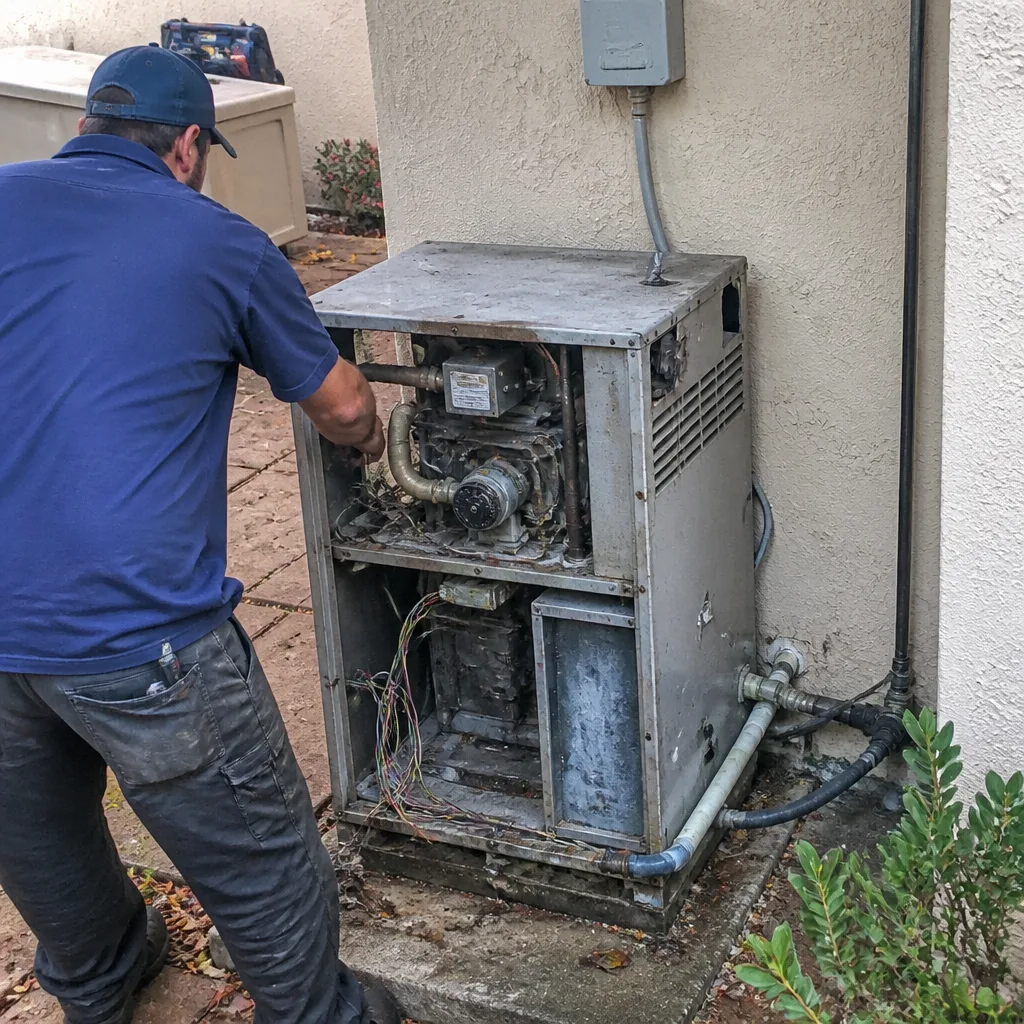 Before
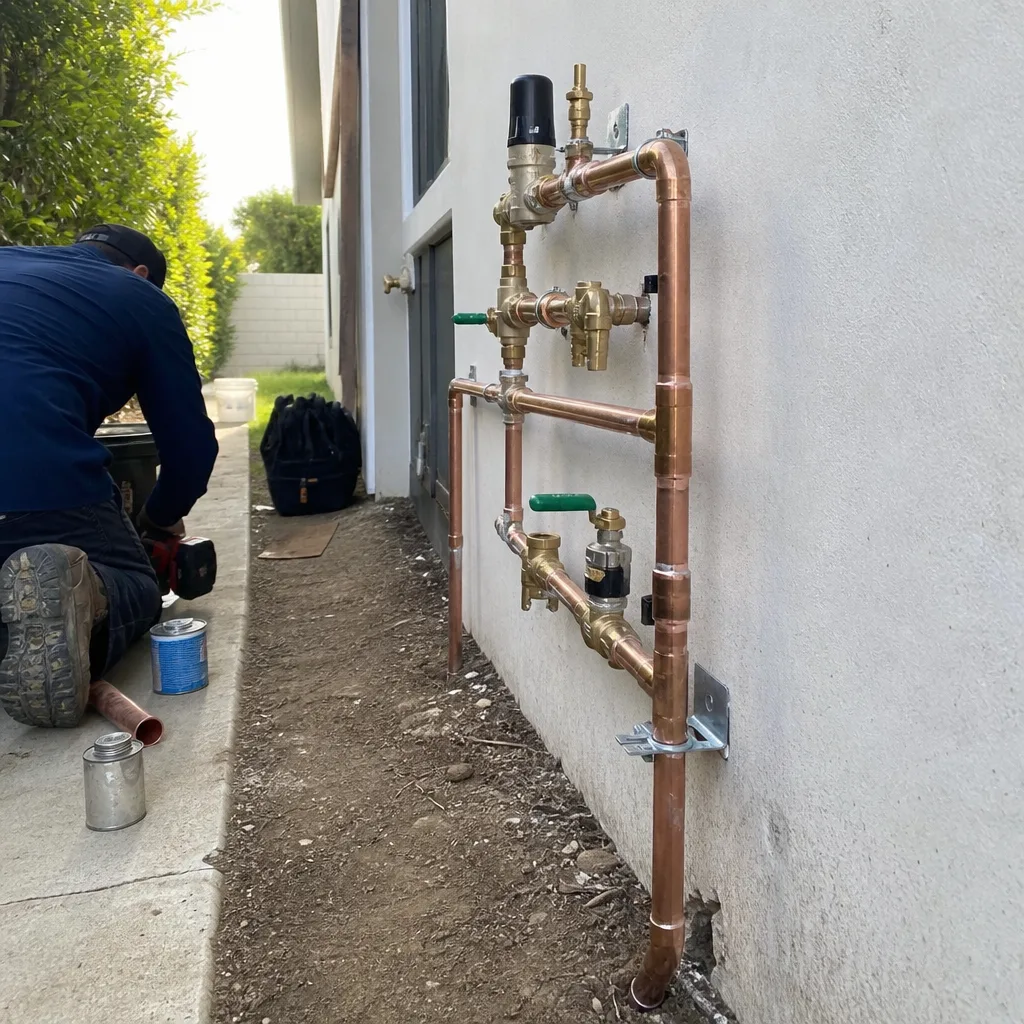 After
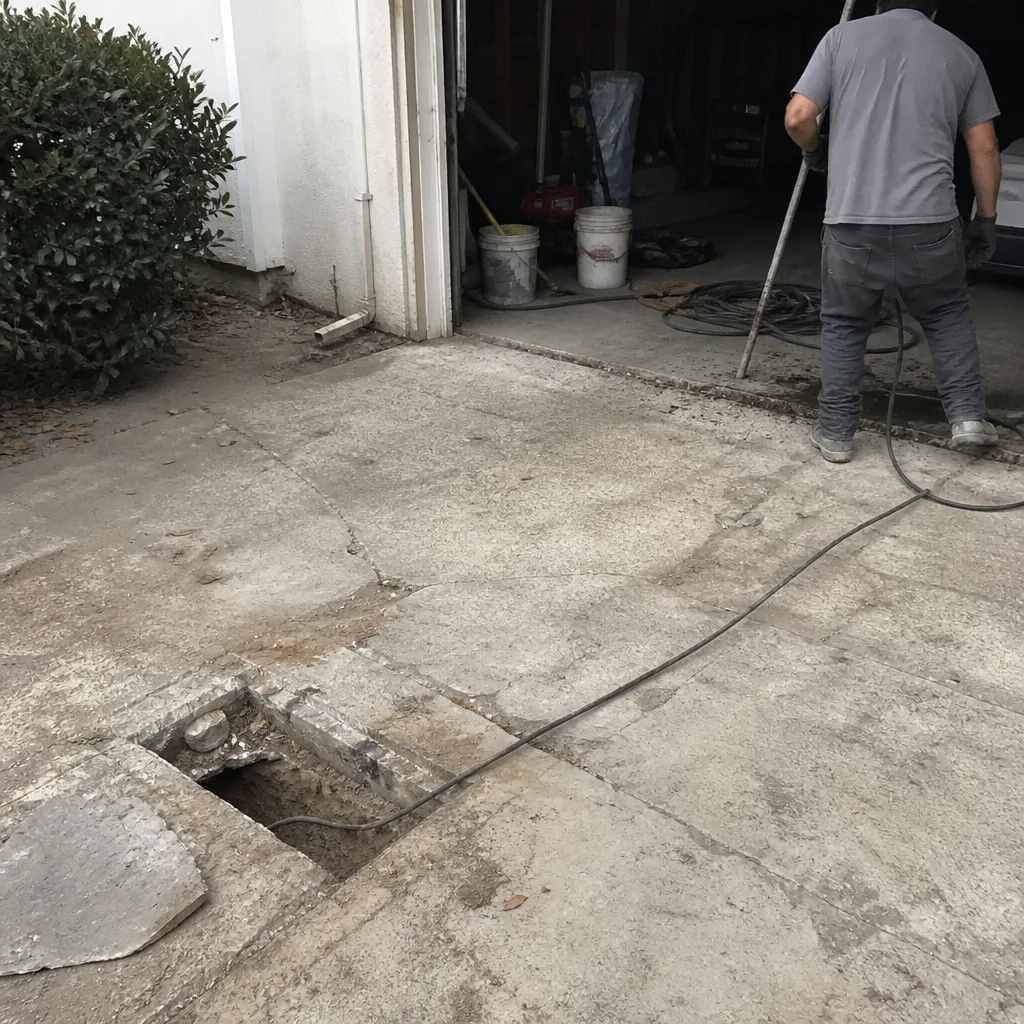 Before
 After
 Before
 After
When to Call a Professional
Some Newport Beach renovation needs are clear DIY territory: painting a bedroom, swapping a faucet, replacing a light fixture. Others are not. The moment your project involves structural changes, plumbing or electrical rough-in, roofing, window replacement, or anything requiring a building permit, you need a licensed contractor. Unpermitted structural or envelope work in Newport Beach creates problems that surface years later: failed inspections at resale, insurance claim denials, and expensive corrections on a house you already paid to renovate. If your project touches the building envelope, the plumbing, the electrical system, or any structural element, call a professional before you start. Polaris Contractors offers free estimates in Newport Beach. Call (855) 473-6535 to discuss your project and get an honest read on what it will take.
Frequently Asked Questions
General contractor fees in Newport Beach typically run 15% to 25% of the total project cost, with full-scope renovations often exceeding that range when the project includes Coastal Commission review or historic overlay compliance. The exact percentage depends on project complexity, the number of trades involved, and the material tier you select. Call (855) 473-6535 for a precise quote based on your project scope.
You may need a coastal development permit if your property sits inside the California Coastal Zone, which covers portions of the Balboa Peninsula, Balboa Island, Lido Isle, and oceanfront Corona del Mar. Projects that change square footage, alter exterior appearance, or affect shoreline access are most likely to trigger Coastal Commission review. Check your property’s zoning status first, then confirm with your contractor.
Our General Contractor services build from plans that you or a separate designer provide, while a design-build firm handles both design and construction under one agreement. Many Newport Beach homeowners work with a full-scope general contractor who coordinates with their architect or designer, which gives you design flexibility while maintaining single-point accountability for construction.
A typical kitchen remodel in Newport Beach takes four to six months from design to closeout. The timeline extends when the project triggers Coastal Commission review or when plan check volumes are high. Prefab components can shorten on-site construction but don’t change the permit review timeline.
California law allows owner-builder projects, but the practical reality in Newport Beach is that owner-builders face the same permit layers, inspection scheduling, and material challenges as professionals without the benefit of local experience. You also carry the full legal and financial liability for every trade on the job. For most homeowners, hiring a licensed contractor is the better financial and legal decision.
For coastal Newport Beach homes, we typically recommend marine-grade fasteners and flashing, impact-rated windows from PGT or CGI, roofing systems from GAF or CertainTeed installed to coastal standards, and waterproofing systems like Schluter for bathrooms. Fixture brands like Toto, Delta, and American Standard all hold up well in humid coastal environments when installed correctly. Your contractor should guide you to specific products based on your home’s location and exposure.
The Bottom Line
Newport Beach doesn’t tolerate generic renovation advice. The Coastal Commission layer, the historic overlays, and the salt-air environment are not footnotes. They are the project. A general contractor in Newport Beach needs to understand all three before the first drawing is submitted, and you need to know whether they do before you sign anything. Verify the license, ask about local project experience, insist on one accountable entity for permits and construction, and specify coastal-rated materials from the outset. The homes here demand it. When you’re ready to talk through your project with a team that knows Newport Beach specifically, call (855) 473-6535 or start here to schedule your free estimate.
Written by the team at Polaris Contractors, serving Newport Beach since 2018. Explore more guides & resources.