Last updated October 30, 2026
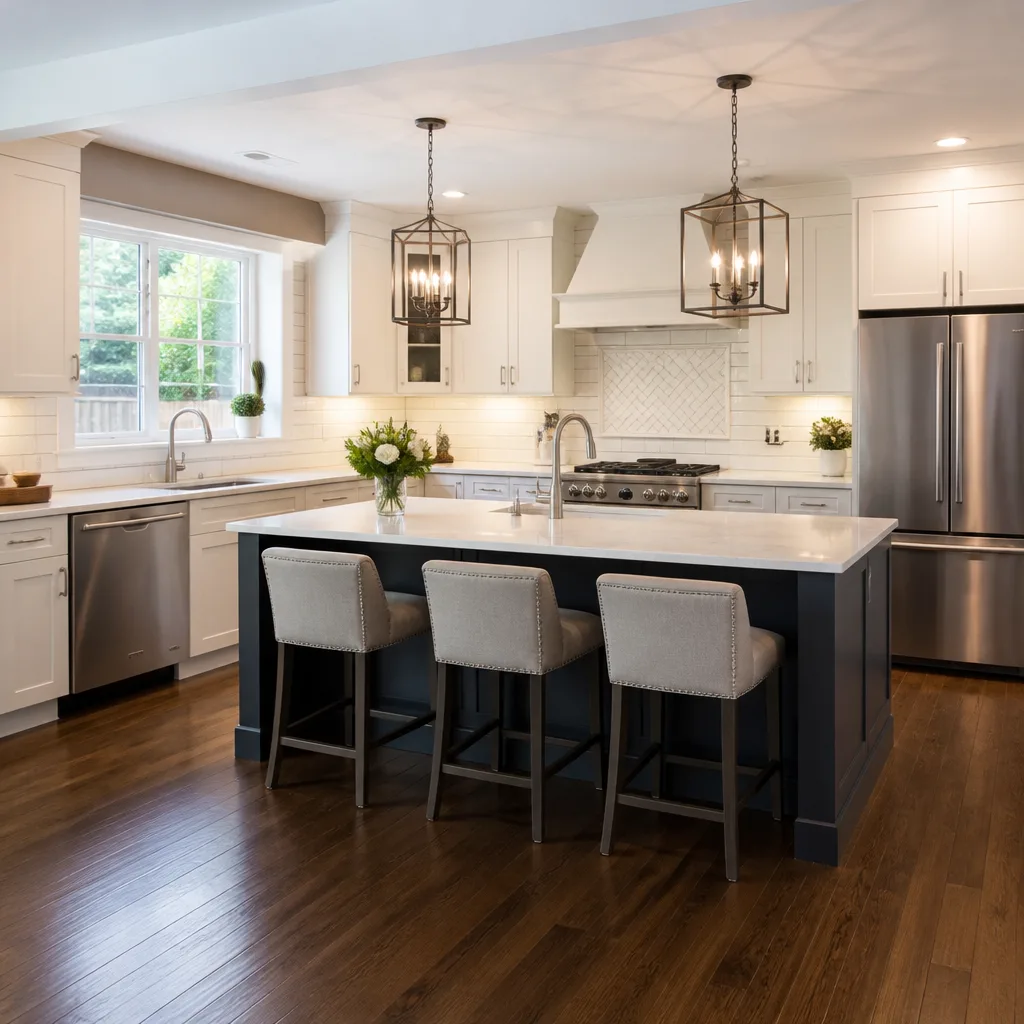 Kitchen remodeling
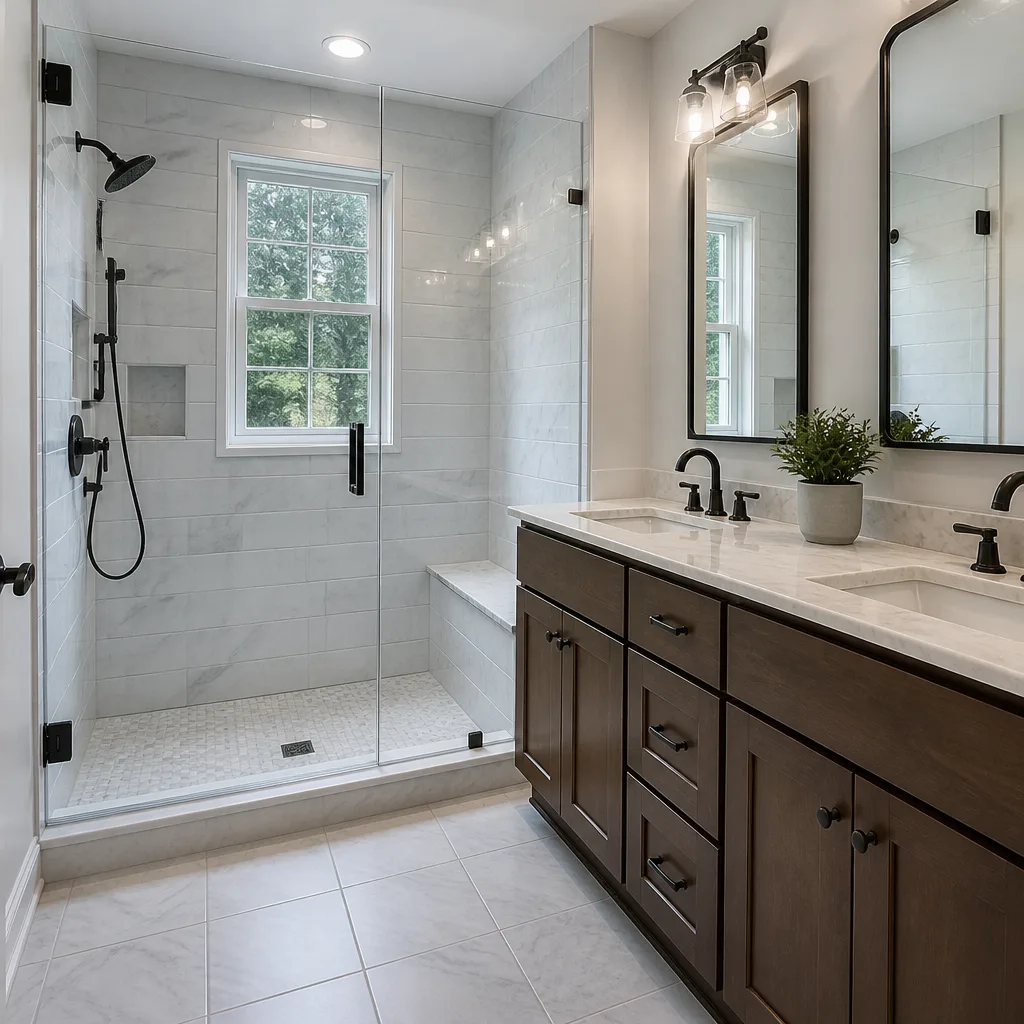 Bathroom remodeling
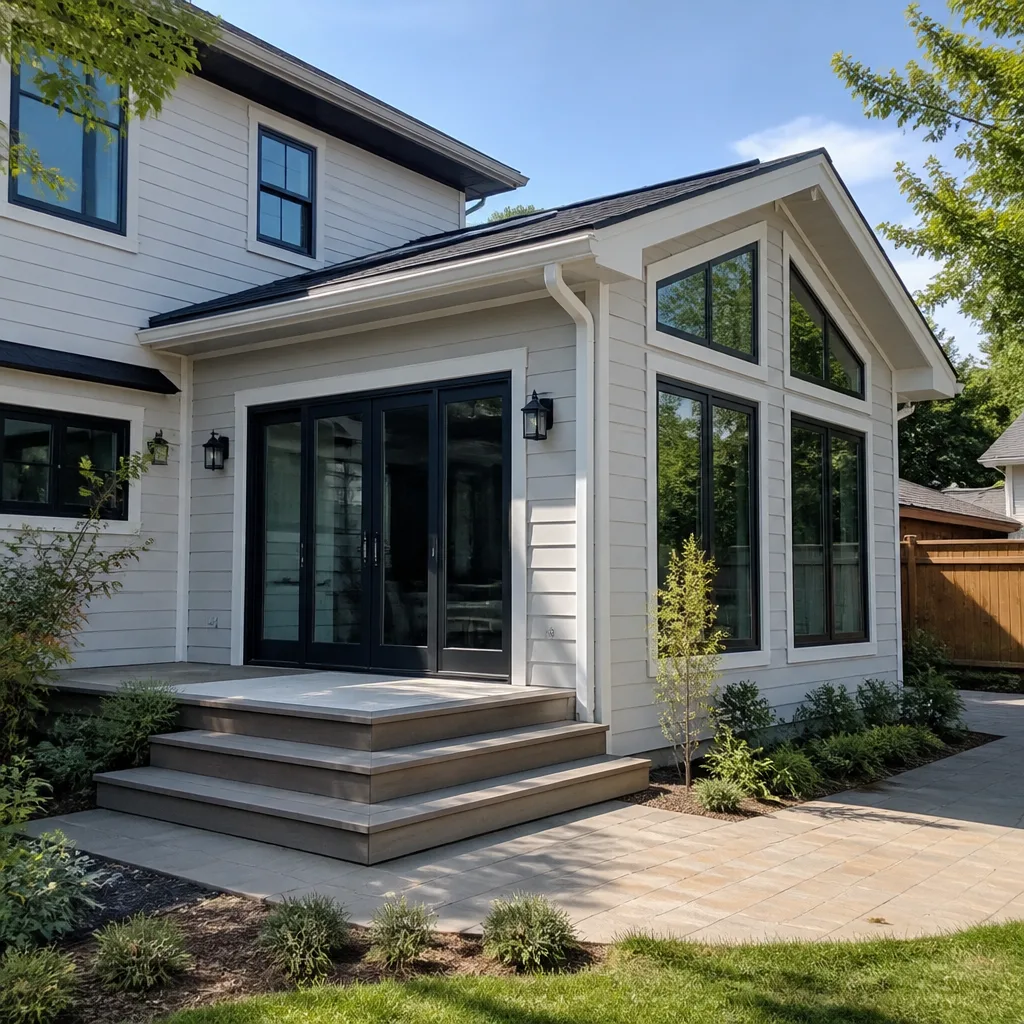 Home additions & ADU
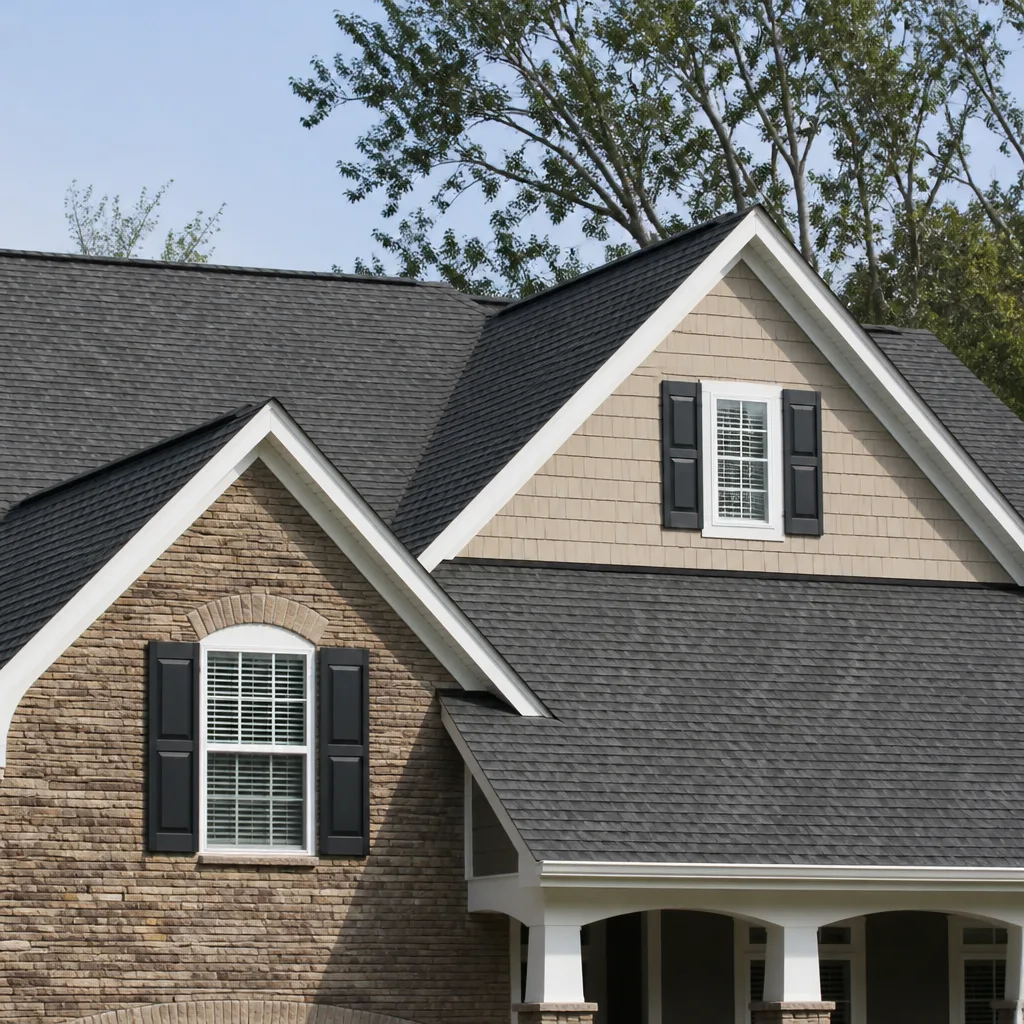 Roofing
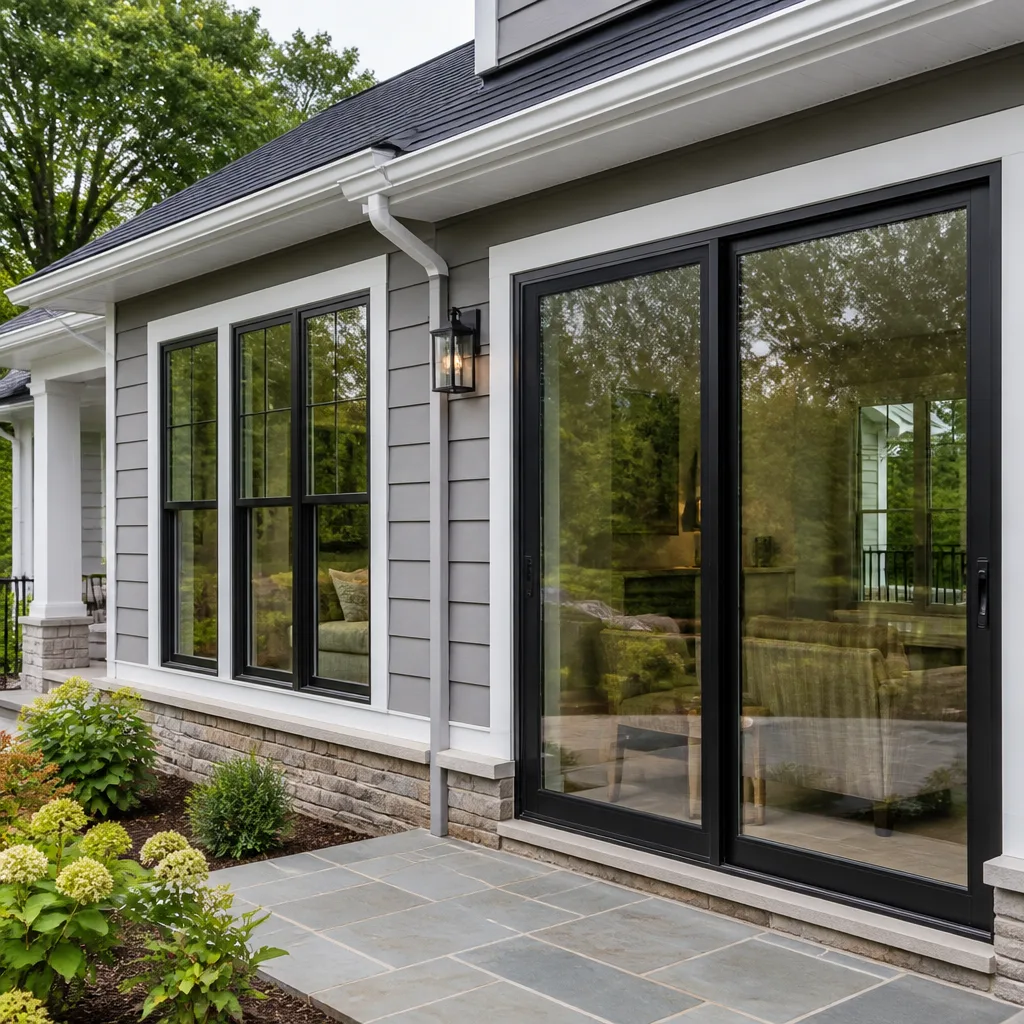 Windows & doors
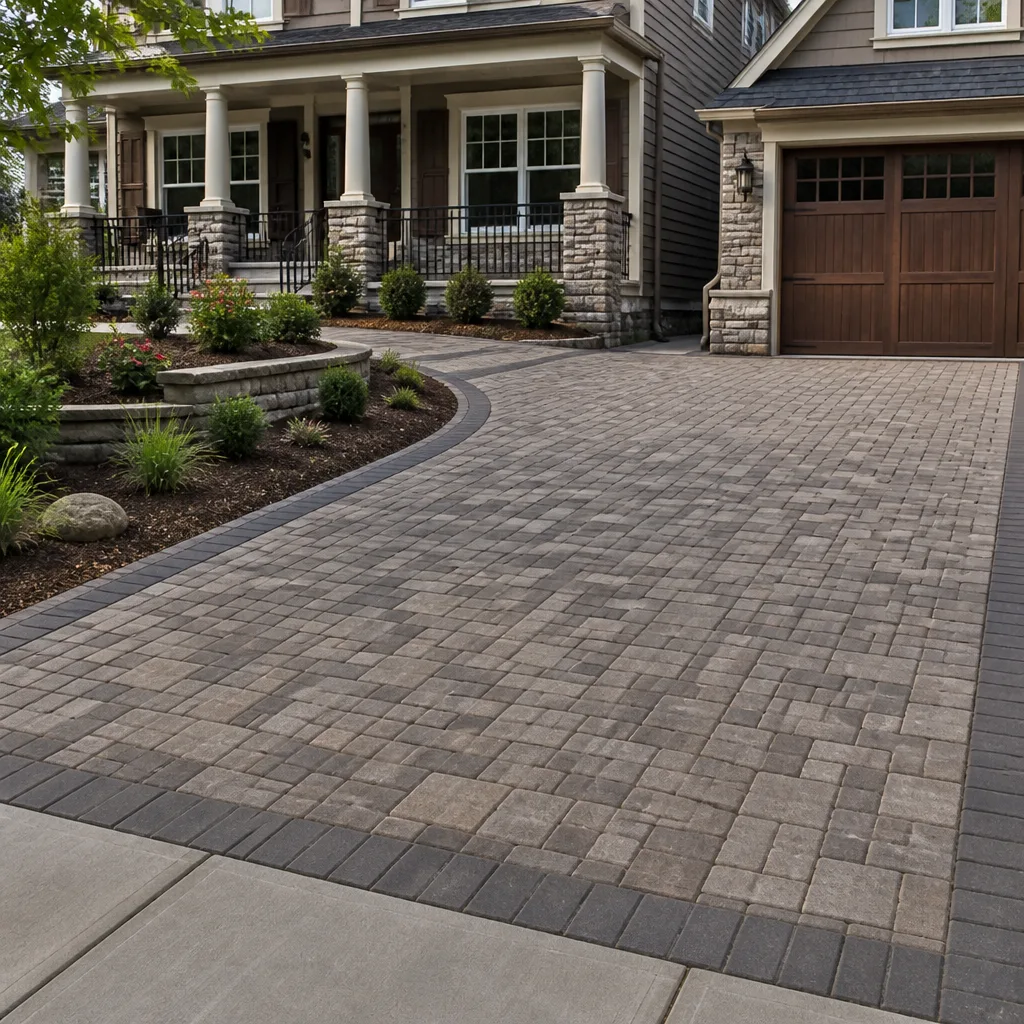 Driveway & pavers
 Fence
Free written scope consultation - allowances, timeline, and change-order rules on paper before a single trade is scheduled
Choosing the Right Construction Brand: A Buyer’s Guide for Newport Beach
Two windows installed side-by-side with identical U-factor ratings can have radically different 10-year outcomes in a coastal environment based solely on whether the hardware is rated for salt-air exposure. That specification rarely appears in standard product comparisons, which is why so many Newport Beach homeowners end up replacing materials a decade early. This guide explains which construction brands actually hold up in a marine climate, which certifications matter, and where brand selection has the biggest financial impact on your renovation. For more guides & resources, see our blog.
Quick Answer
The best construction material brands for Newport Beach homes are those with documented coastal testing and independent certifications, not just marketing claims. Focus on window and door brands with AAMA marine ratings, roofing systems rated for coastal UV and salt spray, stainless or hot-dipped galvanized fasteners, and marine-grade exterior coatings. Brand choice matters most for anything exposed to salt air, sun, and wind: windows, doors, roofing, fasteners, flashing, exterior paint, and HVAC equipment.
Styles & brands we work with
Table of Contents
- Window and Door Brands: Coastal Certifications That Matter
- Roofing Brands for Coastal UV and Salt-Spray Resistance
- Fastener, Flashing, and Hardware Standards for Salt Air
- Exterior Coatings and Paint: Marine-Grade Product Lines
- HVAC Equipment for Oceanfront and Near-Ocean Homes
- Hardscaping Brands for Coastal Outdoor Living
- How to Evaluate a Brand Claim in Newport Beach
- Common Mistakes to Avoid
- When to Call a Professional
- Frequently Asked Questions
Window and Door Brands: Coastal Certifications That Matter
The single most important specification for any window or door installed within two miles of the Newport Beach coastline is the AAMA 2605 finish rating. This independent test measures coating performance under accelerated weathering, including salt spray, and it is the difference between a frame that looks new in year 12 and one that is chalky, corroded, or pitted. A window can carry an Energy Star label, a low U-factor, and a strong warranty and still fail early because the frame coating was not built for marine exposure.
Brands that publish AAMA 2605 test data and back it with coastal-specific warranty language include PGT, CGI, and ECO Window Systems. These manufacturers engineer their aluminum and vinyl frames for the Florida and Gulf Coast markets, which share Newport Beach’s salt-load profile. Therma-Tru doors, particularly their fiberglass entry systems, carry similar marine-test documentation. We do not recommend specifying a window or door for a coastal Newport Beach project unless the manufacturer provides the test standard, the test duration, and the warranty terms in writing.
What most homeowners do not realize is that coastal certification is not a single rating. Some brands are marketed as “coastal ready” based on internal testing or a single component rating, while others submit entire window assemblies to independent labs. Ask to see the AAMA 2605 certificate, not just a brochure reference. The difference is measurable: independent test data means the coating, hardware, and seals were evaluated together under the conditions your home actually faces.
In Newport Beach neighborhoods like Balboa Peninsula, Lido Isle, and Corona del Mar, we see a clear pattern. Aluminum windows with marine-grade finishes and stainless hardware hold their operation and appearance well past the 15-year mark. Windows with standard anodized finishes or powder coating that lacks marine testing show pitting at corners and sill edges within 5 to 7 years. The sticker price difference is modest compared to the cost of early replacement.
Brand Selection Criteria for Coastal Windows and Doors
- AAMA 2605 finish certification with published test data.
- Stainless steel or coated hardware specified for marine environments.
- Impact rating is a separate question from corrosion resistance; both are needed near the coast.
- Warranty language that explicitly covers salt-air exposure, not just manufacturing defects.
For homeowners coordinating a full exterior envelope upgrade, the window and door selection should happen alongside roofing and siding decisions. The Polaris Contractors home page explains how we structure these projects as a single scope rather than separate trades.
Roofing Brands for Coastal UV and Salt-Spray Resistance
Roofing brand selection in Newport Beach is not only about impact rating. Impact ratings measure a shingle’s resistance to hail and flying debris, which matters for insurance, but they say nothing about how the material responds to daily salt deposition and intense UV. A shingle can carry a Class 4 impact rating and still lose granule adhesion, curl, or develop premature color fading in a coastal environment.
The brands that perform measurably better in marine climates include GAF, CertainTeed, and Owens Corning, but only when specified at the right product tier. Each of these manufacturers produces a premium architectural shingle line with enhanced UV stabilizers and a heavier granule embedment that resists salt-induced surface wear. The warranty matters too: GAF’s Golden Pledge and CertainTeed’s SureStart Plus include workmanship coverage that standard warranties leave out. For Newport Beach homeowners, the roof is a 30-year asset, and any shortcut in specification gets expensive fast.
Salt spray does not soak a roof the way rain does, but it does settle into granules and underlap edges, accelerating corrosion on flashing and fasteners. This is why we specify the roofing material brand and the accessory components together. IKO, Atlas, Tamko, and Boral all produce viable systems, but the coastal performance difference often comes down to the underlayment and flashing spec rather than the shingle itself. A premium shingle over standard flashing will fail at the flashings first.
Clay and concrete tile, common on Mediterranean-style Newport Beach homes, behave differently. The tile itself is largely immune to salt corrosion, but the underlayment and fastener system are not. If you are considering tile, the brand conversation shifts to the underlayment manufacturer and the fastener grade, not the tile surface. We have replaced tile roofs in Newport Beach where the tile was in fine condition but the underlayment had deteriorated to the point of leaking.
Roofing Brand Selection Steps
- Choose the product tier based on UV and granule-embedment specs, not just color or profile.
- Verify the manufacturer offers a coastal wind warranty extension for your specific exposure zone.
- Specify the underlayment and flashing system from the same manufacturer where possible.
- Confirm the fastener material: hot-dipped galvanized or stainless, never electro-galvanized.
- Review the full warranty document, including wind speed ratings and workmanship coverage.
Fastener, Flashing, and Hardware Standards for Salt Air
Most material failures in coastal Newport Beach homes start with the smallest components. Fasteners, flashing, connectors, and hardware are the connective tissue of a building envelope, and standard materials degrade rapidly in salt air. The difference between a G185 hot-dipped galvanized nail and an electro-galvanized nail is not cosmetic: the coating thickness differs by a factor of ten or more, and the thinner coating will be consumed within a few years near the coast.
The G185 designation refers to the ASTM standard for galvanized coating weight: 1.85 ounces of zinc per square foot. This is the minimum we specify for any exterior fastener on a Newport Beach project within three miles of salt water. For hardware that stays exposed, such as door hinges, gate hardware, and post bases, we move to stainless steel, typically 304 or 316 grade depending on proximity to the surf line. The cost difference is small; the longevity difference is measured in decades.
Flashing systems deserve equal scrutiny. Simpson Strong-Tie, USP, and MiTek all produce connector hardware with documented coating standards. The brand alone is not enough; you need the specific coating designation. A Simpson connector manufactured for inland use carries a standard zinc coating that will corrode quickly in coastal service. The same connector specified with ZMAX or stainless comes with a higher coating weight and a longer service life. This is a specification detail that separates a renovation that holds up from one that starts rusting at the seams.
We have opened walls in Newport Beach remodels and found exactly what you would expect: standard fasteners crumbling, while the surrounding framing was still sound. The fix at that point is never cheap. Specifying the right hardware from the start is one of the lowest-cost, highest-return decisions you can make on a coastal renovation.
Exterior Coatings and Paint: Marine-Grade Product Lines
Standard exterior paint in a marine environment will begin to show breakdown within two to three years on the ocean-facing side of a home. Chalking, mildew, peeling at edges, and color fade are common, and repainting cycles shorten dramatically. The solution is not a higher price tier from a general paint brand; it is a specific marine or coastal product line with formulated UV blockers and anti-corrosive additives.
Benjamin Moore’s Aura Exterior and Sherwin-Williams’ Duration and Emerald lines offer coastal warranty extensions when applied to properly prepared substrates. These products also carry documented test results for salt-spray resistance. Dunn-Edwards, a brand with deep Southern California presence, produces the Evershield and Aristoshield lines that many Newport Beach painters, including our crews, specify for oceanfront properties. The coating itself is only part of the equation; surface preparation and primer selection for the specific substrate matter just as much.
For metal surfaces, including railings, gates, and exterior hardware, a direct-to-metal primer with corrosion inhibitors is non-negotiable. Rust-Oleum and Benjamin Moore both produce marine-specific primers. The acid test: ask your contractor which primer and topcoat combination they specify for a steel gate within 300 yards of the beach. The answer tells you whether they understand marine environments or just paint buildings.
In our experience across Newport Beach, a properly specified marine coating system typically lasts 10 to 14 years on an ocean-facing elevation, versus 4 to 7 years for a standard product. The material cost difference is moderate; the labor cost is identical. The brand and product line selection is the highest-leverage decision in the entire painting scope.
HVAC Equipment for Oceanfront and Near-Ocean Homes
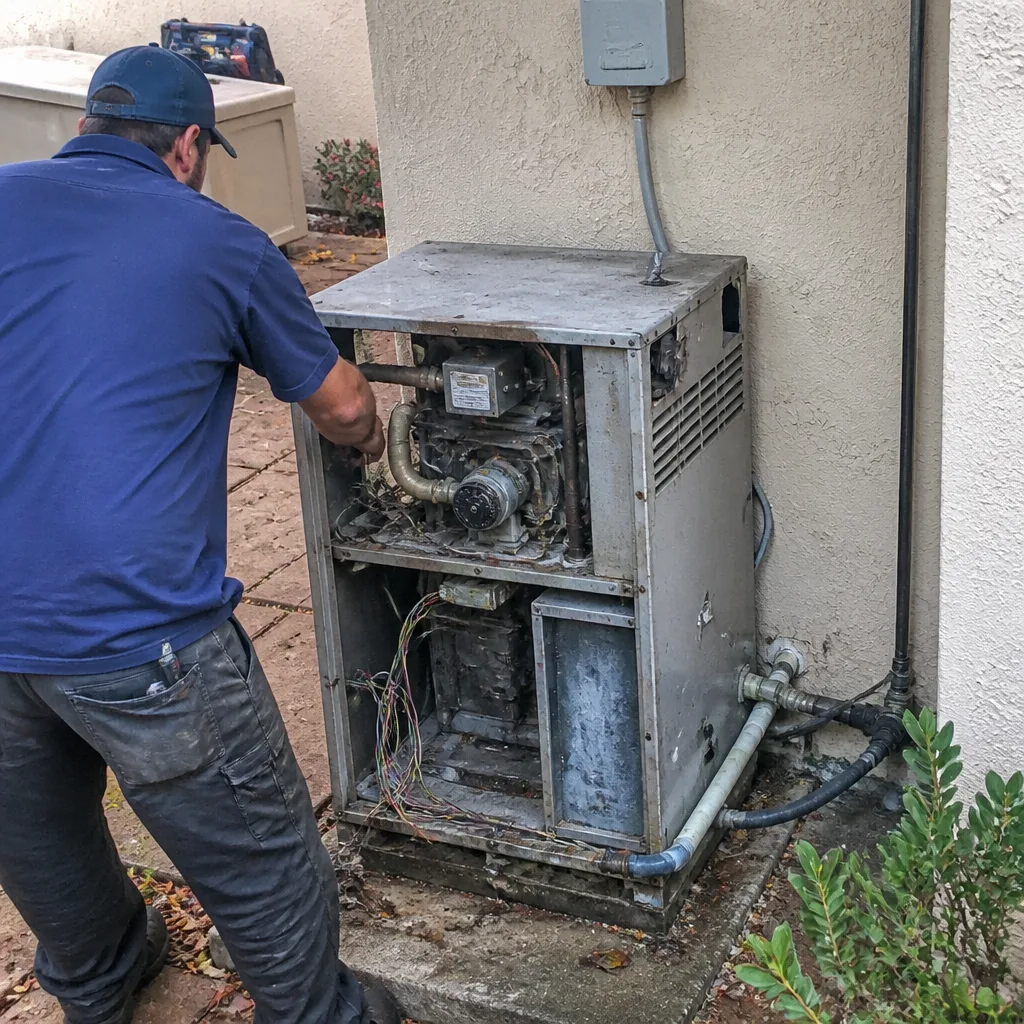
Standard residential HVAC equipment warranties almost always exclude corrosion damage from salt air. This is the fine print most homeowners never read until a coil fails at year six and the manufacturer denies the claim. For Newport Beach homes within half a mile of the water, the HVAC brand and model selection should be driven by corrosion resistance first, efficiency second.
The brands that address coastal corrosion directly are Trane, Carrier, and Rheem, but only at specific model tiers. Trane’s corrosion-resistant coil options and Carrier’s coastal models specify coated aluminum fins and sealed electrical compartments. These features are not marketing, they are the difference between a unit that lasts 8 years and one that lasts 15. Rheem offers a similar coastal package on certain heat pump and condenser lines.
The outdoor unit placement matters too. A condenser installed on the ocean-facing elevation with direct salt-laden wind exposure will corrode regardless of brand. The same unit placed on a protected side elevation with a hedge or screen wall will last significantly longer. We factor prevailing wind direction into our placement recommendations on every Newport Beach HVAC installation.
Ductwork, registers, and insulation in coastal homes also need attention. Salt air accelerates oxidation on exposed metal duct components, and standard registers will rust within a few years near the beach. Stainless or aluminum registers, insulated flex duct with sealed vapor barriers, and corrosion-resistant coil cabinets are all part of a proper coastal specification. A full-scope contractor on a home renovation in Anaheim or Newport Beach should address HVAC as part of the envelope, not as an afterthought.
HVAC Coastal Specification Checklist
- Ask the manufacturer for the corrosion-resistance test standard, not just the model brochure.
- Verify the warranty document does not exclude salt-air or coastal exposure.
- Confirm the condenser coil has a coated or stainless option.
- Review unit placement for maximum protection from prevailing ocean wind.
- Specify stainless or aluminum registers and sealed ductwork.
Hardscaping Brands for Coastal Outdoor Living
Hardscaping is where many Newport Beach homeowners incorrectly assume salt exposure is not a factor. Pavers, retaining walls, and outdoor kitchens all sit in the same marine environment as the house, and material choice determines whether your patio looks sharp in 10 years or faded, pitted, and stained.
Concrete pavers from manufacturers like Belgard, Unilock, and Cambridge Pavers are engineered with high compressive strength and low absorption rates, which means salt-laden moisture does not penetrate and cause spalling or efflorescence. The color of the paver matters too. Lighter tones reflect more UV and show less salt staining, while darker pavers absorb heat and can develop a white residue that requires regular cleaning. In Newport Beach, we see the strongest long-term performance from paver colors with a high proportion of aggregate and a matte surface treatment.
Porcelain pavers, now widely used in upscale Newport Beach outdoor spaces, are essentially immune to salt and moisture absorption. They are more expensive up front, but the maintenance profile near the ocean is dramatically better. If you are planning an outdoor kitchen, pool deck, or entertainment area that will be used for decades, porcelain from a manufacturer with published freeze-thaw and salt-resistance data is the smart specification.
For a home remodeling project in Anaheim or Newport Beach that extends to outdoor living, the hardscape brand should be selected with the same rigor as the roofing or window brand. The patio is a structural part of your property, not an add-on.
How to Evaluate a Brand Claim in Newport Beach
Every manufacturer claims their product is built for the coast. Very few back it with anything you can verify. When a brand or a contractor tells you a material is “coastal grade” or “marine rated,” push for the documentation. This simple habit will save you from the most common and expensive specification mistakes in Newport Beach renovations.
Step-by-Step Brand Verification
- Ask for the test standard. AAMA 2605 for window coatings, ASTM B117 for salt spray, ASTM G85 for cyclic corrosion. If they cannot name the standard, the claim is marketing.
- Request the test report or certificate. An honest manufacturer or distributor will provide it. A vague brochure reference is a red flag.
- Read the warranty exclusions. Look for the words “coastal,” “salt,” “marine,” or “corrosive environment.” If the warranty excludes these conditions, that tells you what the manufacturer thinks of their product’s real-world performance.
- Compare the complete assembly. A window is a frame, glazing, hardware, and seals. A roofing system is shingles, underlayment, flashings, and fasteners. Every component matters.
- Talk to someone who has installed the product in Newport Beach. Spec sheets do not capture installation challenges, material availability, or long-term real-world performance. A contractor with local installation history knows these details.
This verification process applies to every product category in your project, from cabinetry in a kitchen remodel to fencing around a beachfront property. The general contractor in Anaheim page shows how we apply this same standard across our full range of scopes.
Common Mistakes to Avoid
- Selecting windows based on U-factor alone. Energy performance is important, but a window with poor salt-air coating will fail structurally and visually long before its energy numbers matter. Check the finish rating first for any Newport Beach coastal home.
- Using standard fasteners on exterior work. Electro-galvanized nails and standard connectors corrode within a few years near the coast. G185 hot-dipped or stainless is the correct minimum specification.
- Choosing paint by price or color only. Standard exterior paint fails quickly in marine environments. Specify a marine product line with documented salt-spray resistance, regardless of brand preference.
- Ignoring HVAC warranty exclusions. Standard residential HVAC warranties exclude salt-air damage. If your contractor installs a unit with that exclusion, the replacement cost is yours when it fails.
- Installing inland-specification pavers on an oceanfront patio. Low-grade concrete pavers absorb salt moisture and spall over time. Check absorption rates and manufacturer data for marine exposure.
- Trusting “coastal grade” marketing without documentation. If a brand cannot produce a test standard, test report, and warranty document that covers coastal conditions, the product has not been proven for your environment.
When to Call a Professional
Brand research is one part of the project. The other part is knowing when the stakes are high enough that professional guidance pays for itself. If you are replacing windows or doors on a home within two miles of the Newport Beach coast, the difference between a right and wrong brand selection is often a five-figure mistake. The same holds for roofing, exterior coatings, and HVAC equipment.
Any time the specification involves multiple products that need to work together, a single professional accountable for the whole assembly is worth the fee. That is the structure we work under: one contract, one team, from window frames to flashing to finish. Polaris Contractors offers free estimates in Newport Beach. Call (855) 473-6535 to schedule yours.
Frequently Asked Questions
PGT, CGI, and ECO Window Systems produce windows with AAMA 2605 certified finishes that are independently tested for marine environments. These brands document their test data and carry coastal-specific warranty language that standard window brands do not offer. For any Newport Beach home within two miles of the water, ask for the AAMA 2605 certificate and the full warranty document before selecting a brand. Call (855) 473-6535 for guidance on your specific elevation and exposure.
Marine-grade windows, fasteners, coatings, and HVAC components typically add 10 to 20 percent to the material cost of the affected scope. That premium buys a service life that is often double or triple the standard product in coastal conditions. The real comparison is not the up-front cost; it is the avoided cost of early replacement and the damage from failures you cannot see until it is too late. For detailed pricing context, see our Construction Cost Breakdown: The Newport Beach Homeowner’s Reference for 2026.
The hills of Newport Beach, including Newport Coast and Spyglass Hill, have lower direct salt exposure than the peninsula or Lido Isle, but they are still within the marine influence zone. Morning marine layer condensation carries salt, and coastal wind patterns reach inland several miles. We use a sliding scale: full marine specification within two miles of the water, moderate coastal specification out to five miles, and standard durable materials beyond that.
No. Standard residential HVAC warranties from Trane, Carrier, Rheem, and others typically exclude corrosion damage from salt air. You need to verify the specific model’s warranty language and select a corrosion-resistant package if one is available. A conventional unit installed on an oceanfront Newport Beach property is a known risk, and the manufacturer will not absorb that risk for you.
Composite decking is generally a better choice than natural wood in a Newport Beach marine environment. Quality composite products resist salt absorption, fading, and moisture-related warping better than even marine-grade wood species. The key specification is the fastener and joist system underneath, which must use stainless or heavy galvanization to avoid corrosion failure before the decking itself wears out.
Ask the contractor to name the coating standard they specify for window frames, the fastener grade for exterior work, and the corrosion package for HVAC equipment. If they cannot answer with specifics, they do not build for coastal environments. Any contractor with genuine Newport Beach coastal experience will talk in test standards and spec sheets, not vague assurances. Call (855) 473-6535 and ask us those three questions.
The Bottom Line
Construction brand selection in Newport Beach is a technical decision, not a preference exercise. The right brands are determined by documented coastal test data, specific coating and fastener standards, and warranty language that does not exclude the environment you live in. The wrong brands fail quietly, at the seams and flashings, until a five-figure repair announces itself. If you are planning a renovation, new build, or ADU addition near the coast, apply the verification steps in this guide to every product category. For a comprehensive overview of working with contractors, see The Complete General Contractor Guide for Newport Beach Homeowners. The brands exist. The specifications are knowable. The difference is whether someone on your project actually does the homework.
Written by the team at Polaris Contractors, serving Newport Beach since 2018.
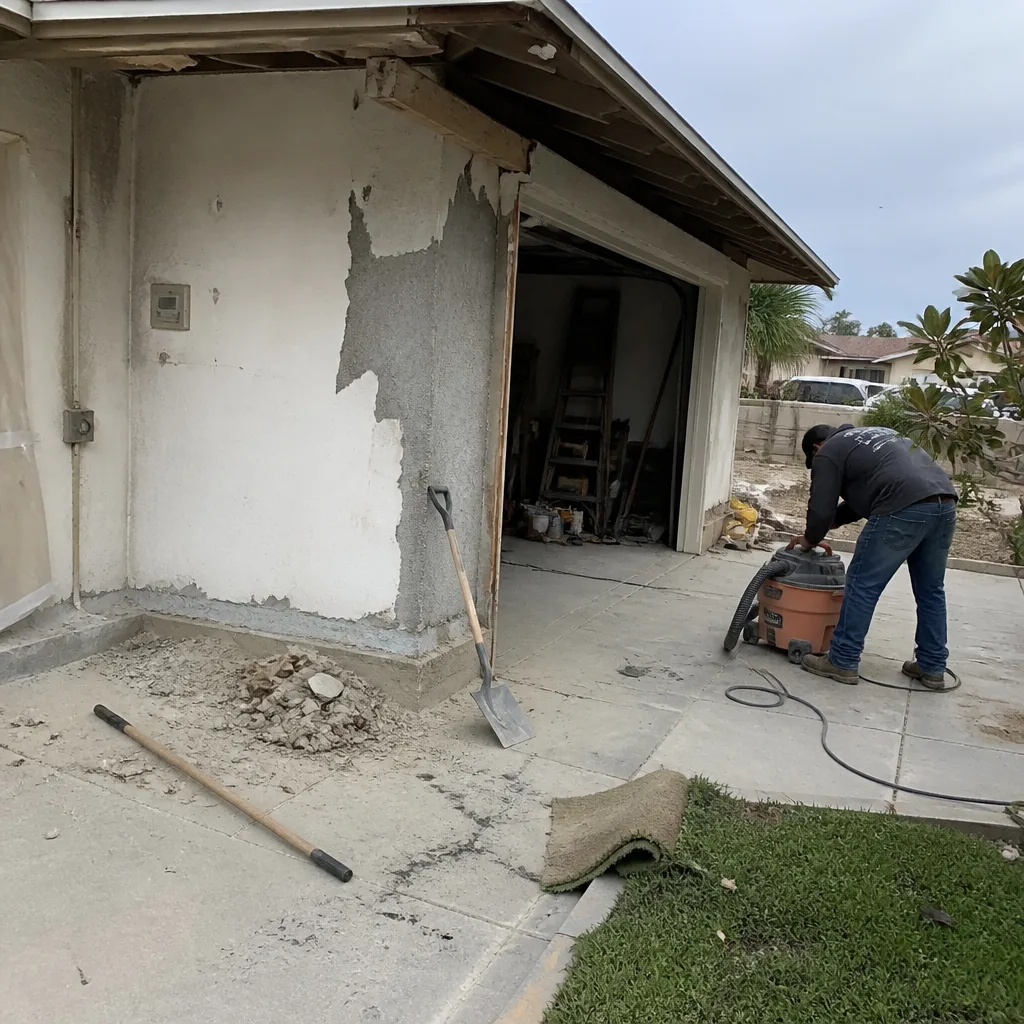
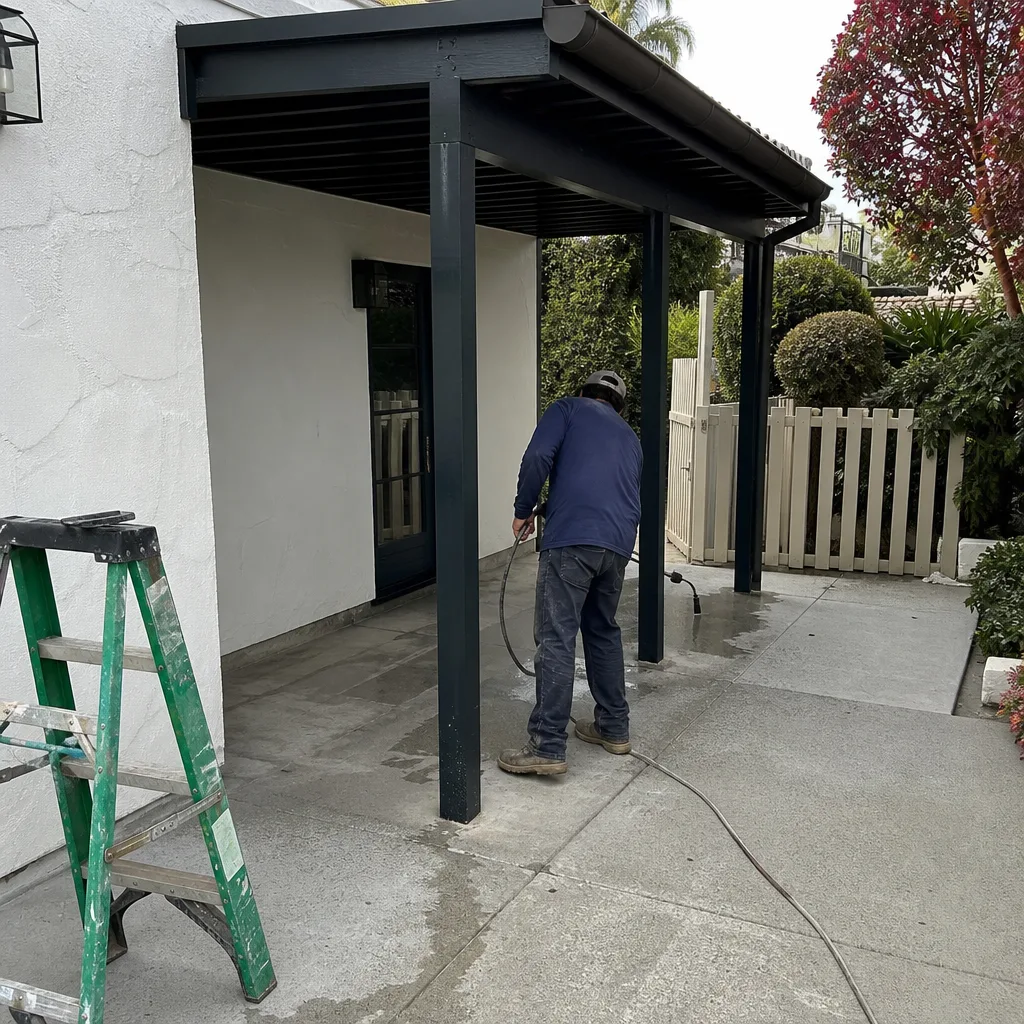
See the difference
 Before
 After
 Before
 After
 Before
 After