
Last updated October 30, 2026
 Home additions & ADU
 Kitchen remodeling
 Bathroom remodeling
 Roofing
 Windows & doors
 Driveway & pavers
 Fence
Free written scope consultation - allowances, timeline, and change-order rules on paper before a single trade is scheduled
Seasonal Construction Care for Newport Beach: Year-Round Homeowner’s Guide
Newport Beach doesn’t punish a home the way a Minnesota winter or an Arizona summer does. No burst pipes from deep freezes, no paint blistering under 115-degree heat. And that’s precisely the problem. The mild Mediterranean climate lulls homeowners into skipping seasonal maintenance, because nothing ever feels urgent. Then an atmospheric river parks over the coast for three days straight, or a Santa Ana wind event scours every exposed seal on the house, and five years of deferred attention shows up in one afternoon. This guide explains what actually degrades a Newport Beach home across the calendar year, when to look for it, and what’s worth fixing before it becomes a line item on a pre-sale inspection report. For a broader overview, see The Complete Guide to Construction in Newport Beach.
Quick Answer
Seasonal construction care in Newport Beach means focusing on four things: drainage readiness before the wet season, envelope inspection after winter rains, UV and salt-air maintenance during the dry months, and fire-ember hardening before Santa Ana season. Unlike colder climates where freeze-thaw cycles drive the maintenance calendar, a Newport Beach home’s biggest risks come from water saturation events that arrive all at once, plus constant low-grade exposure to sun and marine air that works on materials year-round.
Styles & brands we work with
Table of Contents
- Fall: Drainage and the Atmospheric River Problem
- Winter: The Wet Season and What Standing Water Actually Means
- Spring: The Post-Rain Envelope Inspection
- Summer: UV Cycling, Decks, and Ocean-Air HVAC
- Santa Ana Season: Ember Exposure and Wind-Driven Failures
- Salt Air: The Year-Round Degradation Nobody Schedules For
- Retaining Walls and the Dry-Season Shrink-Swell Cycle
- A Working Seasonal Calendar for Newport Beach
Fall: Drainage and the Atmospheric River Problem
In most of the country, fall maintenance means raking leaves and sealing gaps before the cold. In Newport Beach, the fall task is simpler and more consequential: making sure water has somewhere to go that isn’t your foundation. The first significant rain of the season in Southern California is often an atmospheric river, meaning it arrives as a saturation event, not a gentle shower. A clogged drainage path that’s been dry for six months is indistinguishable from a functional one, so the failure only becomes visible when the rain is already falling and the water is already pooling.
What to check in October and November:
- Clean and test every downspout and scupper. Pour a bucket of water at the highest point and watch where it exits. Water should leave the foundation line by at least three feet.
- Clear area drains and channel drains. In neighborhoods like Corona del Mar and Newport Heights, many homes sit on sloped lots where a single blocked drain redirects runoff into a garage or a lower-level entry.
- Check your sump pump if you have one. Run it manually once. If it cycles more than a few times per hour during a storm, consider whether your drainage plan is doing enough.
- Walk the property perimeter and look for any low spots that have developed over the summer. Dry-season soil movement can create new depressions that become permanent puddles in winter.
- Inspect roof valleys and gutters for debris before the first rain. Coastal wind deposits fine debris that dries into a mat and blocks flow quickly.
- Test soil absorption near the foundation. If water sits on the surface for more than an hour after a hose test, you have a compaction or grading issue worth addressing.
- Verify that downspout extensions are still connected. Gardeners, landscapers, and even delivery drivers knock these loose regularly.
- Look at the roof-to-wall flashing lines. The dry season is when small cracks open up. Rain finds them.
For homes with the roof-to-paver scope we manage at Polaris Contractors, this is the season when a full exterior walkthrough pays for itself. If you’re evaluating who to hire, our Complete General Contractor Guide for Newport Beach Homeowners covers what to look for. GAF, CertainTeed, and Owens Corning roofing systems all have specific flashing details where failures tend to concentrate, and catching those before winter is a fraction of the cost of chasing a leak after the first storm.
Winter: The Wet Season and What Standing Water Actually Means
Newport Beach gets almost all of its annual rainfall between December and March, and it arrives in concentrated bursts. One week of heavy rain can deliver more water to your foundation than the previous eight months combined. The question homeowners ask us most during winter isn’t “how do I fix this” – it’s “is this actually a problem?” Standing water at the foundation line looks alarming, and sometimes it is. But not always.
Here’s the distinction that matters:
- Normal drainage: Water pools during or immediately after rain, then disappears within 30 to 60 minutes once the rain stops. The soil is doing its job.
- Problem saturation: Water is still pooled 12 to 24 hours after the last rain, or you see a visible waterline mark on the stucco or foundation that wasn’t there before. That means water is regularly reaching areas it shouldn’t reach, even if it eventually wicks away.
Other winter-specific things worth watching:
- Water wicking up through slab cracks. This shows up as dark, damp lines on interior concrete or carpet tack strips rusting through.
- Damp smells in lower-level rooms that only appear during wet periods. This often traces back to a foundation wall or a planter box that’s holding water against the structure.
- Soil erosion around downspout exits. If the soil is being carved away, the water is moving too fast and will eventually undermine whatever is above it.
- Hydrostatic pressure on retaining walls. Winter is when most retaining wall failures in Newport Beach begin. The wall might not move until spring, but the water load it absorbed in January is what set the failure in motion.
One thing we tell homeowners in our Home Remodeling in Anaheim work and in Newport Beach alike: if you’re planning any interior remodel that touches a lower level or slab, winter is the best time to do the discovery work. The wet season is showing you exactly where the water goes. You don’t need to guess.
Spring: The Post-Rain Envelope Inspection
By April, the rain has usually stopped, and the damage that winter did is now visible if you know where to look. Spring is the season for envelope inspection, and it’s the single highest-value maintenance window in a Newport Beach home’s year. The wet season has just stress-tested your stucco, your flashing, your window seals, and your roof. What shows up now is a map of what needs attention before next winter.
Walk the home in this order:
- Stucco and exterior walls. Look for hairline cracks that have widened or new staining below crack lines. Water running through a crack carries minerals that leave visible traces after the wall dries.
- Roof flashing at every penetration. Vents, skylights, and chimney flashing are the first places coastal homes leak. The metals flex with temperature changes, and winter’s rain pressure finds any gap that’s opened up.
- Window weep holes. Every sliding window and most fixed windows in Newport Beach have weep holes at the bottom of the frame that let condensation and wind-driven rain drain outward. These clog with salt residue, dust, and fine debris. A clogged weep hole sends water inward instead.
- Door thresholds and weather stripping. Winter wind-driven rain tests door seals harder than anything else. If you noticed a draft or a damp entry mat this winter, now is when you fix it.
- Fence posts and gate hardware. The combination of winter rain and ocean air is hard on metal-to-wood connections. Posts that were solid in November can be noticeably loose by March.
If the spring inspection reveals stucco cracking that wasn’t just seasonal movement, or flashing gaps that opened beyond what caulk will hold, that’s a structural envelope conversation, not a maintenance task. That’s where having one team that manages the full exterior scope matters, because a flashing failure on a CertainTeed roof and a stucco crack at the window line are often the same problem expressed in two places. Treating them separately means fixing the symptom, not the cause.
Summer: UV Cycling, Decks, and Ocean-Air HVAC
Summer in Newport Beach is dry, sunny, and consistently moderate, which makes it easy to forget that UV exposure is a mechanical force. It doesn’t just fade color. It breaks down the chemical bonds in sealants, paint films, deck coatings, and roof membranes. A year of Newport Beach sun is roughly equivalent to 14 months of sun exposure in a cloudier coastal city, simply because there are so many clear days. The damage is cumulative and quiet, until a material reaches its failure point and suddenly looks terrible.
Summer tasks that actually matter here:
- Deck coating reapplication. Most deck coatings have a UV-life measured in hours of direct sun exposure. In Newport Beach, a deck that faces south or west can exhaust a coating’s UV budget in 2 to 3 years, even though the coating still looks intact. By the time it’s visibly peeling or chalky, the wood beneath has already been exposed.
- Exterior paint inspection. Walk the west and south-facing walls in July. Look for hairline cracks in the paint film, chalking that comes off on your hand, or fading that’s become uneven. These are the signals that the paint’s protective layer has failed and the underlying stucco or siding is now exposed.
- Roof surface check. With roofing systems from CertainTeed, Owens Corning, IKO, and Atlas, each product has a different UV tolerance. But all of them benefit from a visual check during the driest month: granule loss on asphalt shingles, lifting edges, or visible sealant cracking at penetrations.
- HVAC filter replacement on an ocean-air schedule. Salt and fine coastal dust load HVAC filters faster than inland environments. A filter that would last 90 days in Irvine may be fully loaded in 45 to 60 days in Newport Heights or Balboa Peninsula. Set your replacement schedule by inspection, not by calendar.
One particular summer pattern we see in beach-adjacent neighborhoods: homes get repainted or re-decked in the fall because it’s cooler, but then the new coating enters its first summer with only a few months of cure time. If you’re planning an exterior project, choosing the right construction brand and timing it for late spring means the material gets a full summer of UV cycling while it’s at its strongest, not while it’s still green.
Santa Ana Season: Ember Exposure and Wind-Driven Failures
Santa Ana wind events typically run from September through December, with the strongest episodes in October and November. In Newport Beach, the wind arrives hot, dry, and from the northeast, which is the opposite of the prevailing ocean flow. That directional shift is what catches homeowners off guard. The west-facing side of the house that’s been hardened against ocean weather is suddenly protected, while the east and northeast-facing elevations get hit with wind they haven’t seen all year.
In more recent fire seasons, the bigger concern has been ember intrusion. Newport Beach is not a high-fire-hazard zone the way canyon communities are, but embers travel miles during wind-driven fire events. What matters is how many entry points your home offers:
- Unsealed eave and soffit gaps. Embers get pulled into attic spaces through gaps that are invisible from the ground. If you can see daylight through a soffit gap, an ember can get through.
- Vents without ember-resistant mesh. Gable vents, foundation vents, and crawlspace vents are direct paths. Fine metal mesh (1/8-inch or smaller) dramatically reduces the risk.
- Leaf and needle accumulation in gutters and roof valleys. During Santa Ana conditions, that debris is tinder-dry. An ember landing in a debris-filled gutter is a different risk than one landing on clean metal.
- Loose fence boards and gate hardware. The wind itself does real damage too. A 60-mph gust turns a loose gate into a lever that tears out its hinges and then swings into the house.
Santa Ana season is also when small existing problems become big ones. A roof shingle that was slightly lifted in summer gets peeled open by sustained wind. A window seal that was already weak becomes an audible draft. The fall drainage prep we covered earlier overlaps with this season too, because a fire-risk week followed by a rain event is a sequence that happens regularly in Southern California.
Salt Air: The Year-Round Degradation Nobody Schedules For
Salt air is not a seasonal issue, and that’s exactly why it’s hard to manage. Nothing on a maintenance calendar says “check for salt damage,” because salt damage doesn’t follow a schedule. It accumulates daily, in proportion to how close the home sits to the water and how much wind the site gets. A home on Balboa Peninsula faces a fundamentally different corrosion environment than a home in Harbor View, even though both are in Newport Beach.
What salt air actually does to a home:
- Accelerates metal corrosion. Fasteners, flashing, electrical connections, door hardware, and fence hardware all corrode faster within a mile of the water. The first thing to fail is usually the cheapest thing: a screw, a connector plate, a gate hinge pin.
- Etches glass and metal surfaces over time. The haze on older windows near the water isn’t just hard water; it’s micro-pitting from salt crystals carried in the marine layer.
- Attacks paint adhesion at the edges. Paint doesn’t fail across the whole surface at once. It lifts at the edges first, where salt water penetrates the film and breaks the bond.
- Reduces the service life of exterior hardware and lighting. A powder-coated light fixture that lasts 15 years inland may show visible corrosion in 5 to 7 years near the water.
- Late summer to early fall: The soil is at its driest and most contracted. Small gaps open between the soil and the back of the wall. The wall itself may shift microscopically.
- First significant rain: Water enters those gaps and saturates the soil rapidly. The soil expands, but now it has less room to move because the wall has already shifted inward.
- Expansion pressure builds. This is the critical moment. Hydrostatic pressure increases behind the wall, and if the wall’s drainage system (weep holes, gravel backfill, drainage fabric) isn’t functioning, the pressure has nowhere to go.
- Failure shows up slowly. You’ll see a crack running along the top of the wall, or a section that’s now leaning a few degrees, or soil starting to wash through weep holes.
- September – October: Drainage prep before the first rain. Clear gutters, test downspouts, inspect retaining walls for dry-season movement, check roof valleys for debris.
- October – November: Santa Ana wind hardening. Check soffit gaps, make sure vents have ember mesh, secure loose fencing and gate hardware.
- December – March: Wet-season monitoring. Watch for standing water at the foundation, track any new interior dampness, check sump pump operation during storms.
- April – May: Full post-rain envelope inspection. Stucco cracks, flashing gaps, window weep holes, door seals, fence post stability.
- June – August: UV and salt-air maintenance. Deck coating assessment, exterior paint film inspection, roof surface check, HVAC filter replacement on an accelerated schedule.
- Year-round: Salt-air corrosion monitoring folded into whatever other inspection you’re already doing.
The challenge is that salt damage is invisible for years and then appears suddenly. A stainless steel fastener doesn’t gradually turn brown; it holds until the corrosion has eaten through enough material that it snaps. We tell homeowners to treat salt-air inspection as a rolling, always-on task, done during whatever other maintenance walk they’re already doing. When you’re checking drainage in fall, also eyeball every exposed fastener. When you’re checking stucco in spring, also look at the metal-to-masonry connections. The pattern recognition builds over time, and eventually you’ll spot a problem six months before it becomes a failure.
For exterior projects in coastal zones, material selection matters more than installation technique. That’s where the brand conversation changes. Impact-rated windows from manufacturers built for coastal environments, roofing systems specified for salt exposure, and hardware with appropriate corrosion ratings all add years to a project’s service life. As a General Contractor in Anaheim and Newport Beach, we spec materials by their coastal performance, not their brochure rating.
Retaining Walls and the Dry-Season Shrink-Swell Cycle
Newport Beach has a lot of sloped lots, especially in the hillside and canyon-adjacent neighborhoods. Many of those slopes are held back by retaining walls, and almost all of those walls go through an annual cycle that most homeowners never think about. During the dry season, the soil behind a retaining wall shrinks as it loses moisture. During the wet season, it swells. That annual shrink-swell movement is the primary driver of retaining wall failure in coastal Southern California, and the failure usually manifests in a specific sequence.
What the cycle looks like:
The practical takeaway: inspect retaining walls in early fall, before the first rain. Look for new cracks, any section that’s moved, or weep holes that are blocked with debris. If you see fresh movement, address it before winter, not after. By spring, the damage is already done, and the repair scope is always larger.
A Working Seasonal Calendar for Newport Beach
Here’s the entire year distilled into a usable schedule. You don’t need to do everything every month, but each of these tasks has a specific window where it’s most effective:
Common Mistakes to Avoid
- Assuming mild weather means low maintenance. Newport Beach homes fail from accumulation, not extremes. Skipping three years of small maintenance creates one big repair.
- Waiting for a leak to appear before inspecting the roof. By the time water shows up inside, the envelope failure has been active for weeks or months. The visible leak is the lagging indicator.
- Clearing drainage only when rain is forecast. The first atmospheric river of the season is the one you weren’t ready for. Prep in October, not the day before the storm.
- Treating salt corrosion as a coastal “given” that can’t be managed. Material selection at installation time changes the corrosion timeline dramatically. The right hardware and coatings buy years of service life.
- Ignoring a small retaining wall crack. That crack is a pressure-release event. It will not stay small through the next wet season.
- Painting or coating in the fall right before the wet season. New finishes need cure time before they’re saturated. Spring is the better window for exterior coating work.
- Using inland HVAC filter schedules. Ocean air loads filters faster. Replacing by a 90-day calendar schedule in Newport Beach means running a clogged filter for weeks.
See the difference
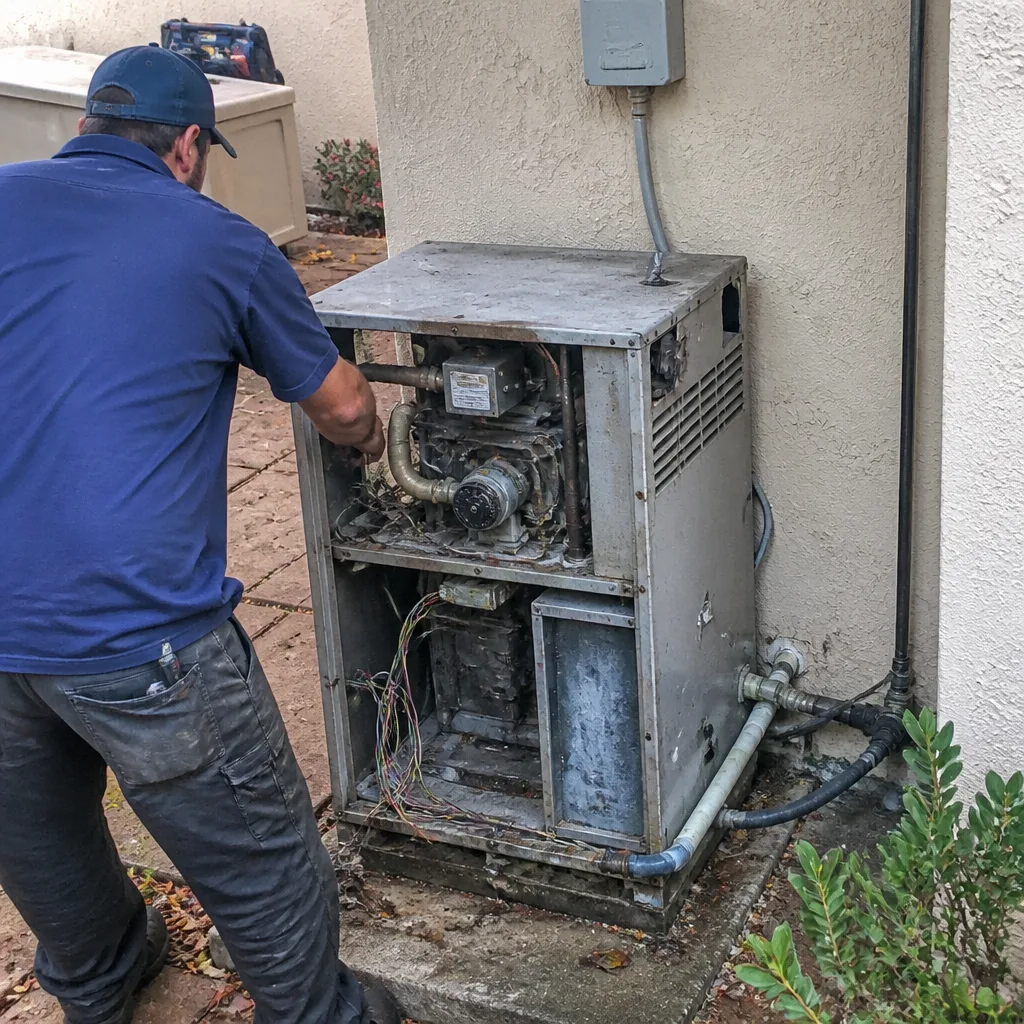 Before
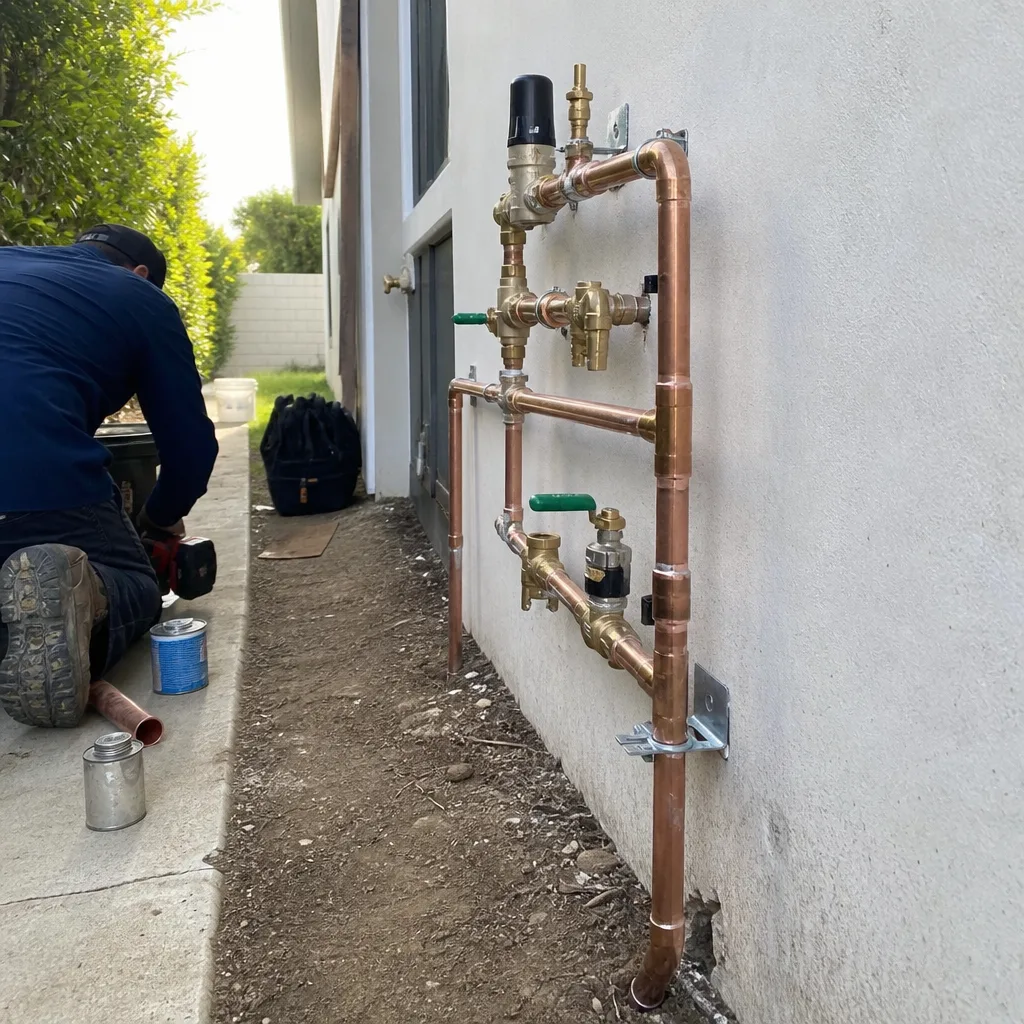 After
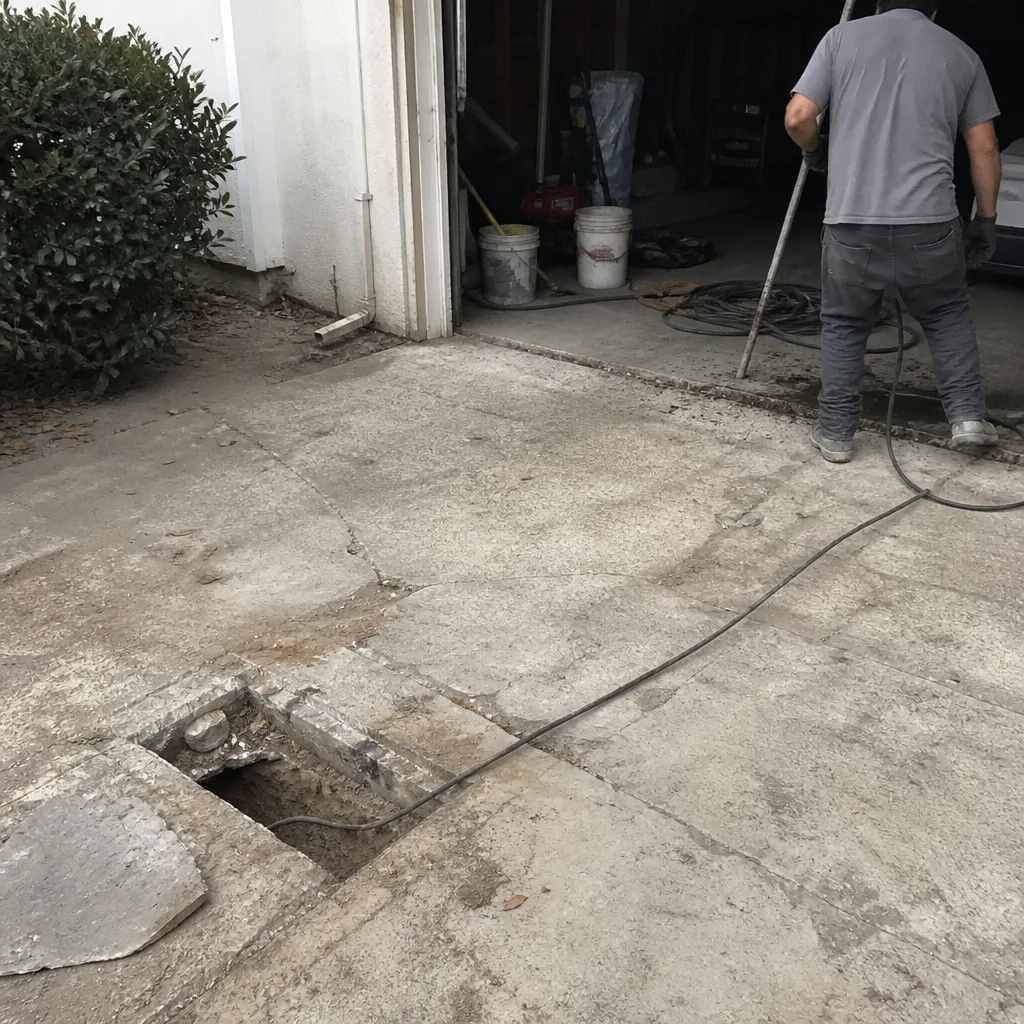 Before
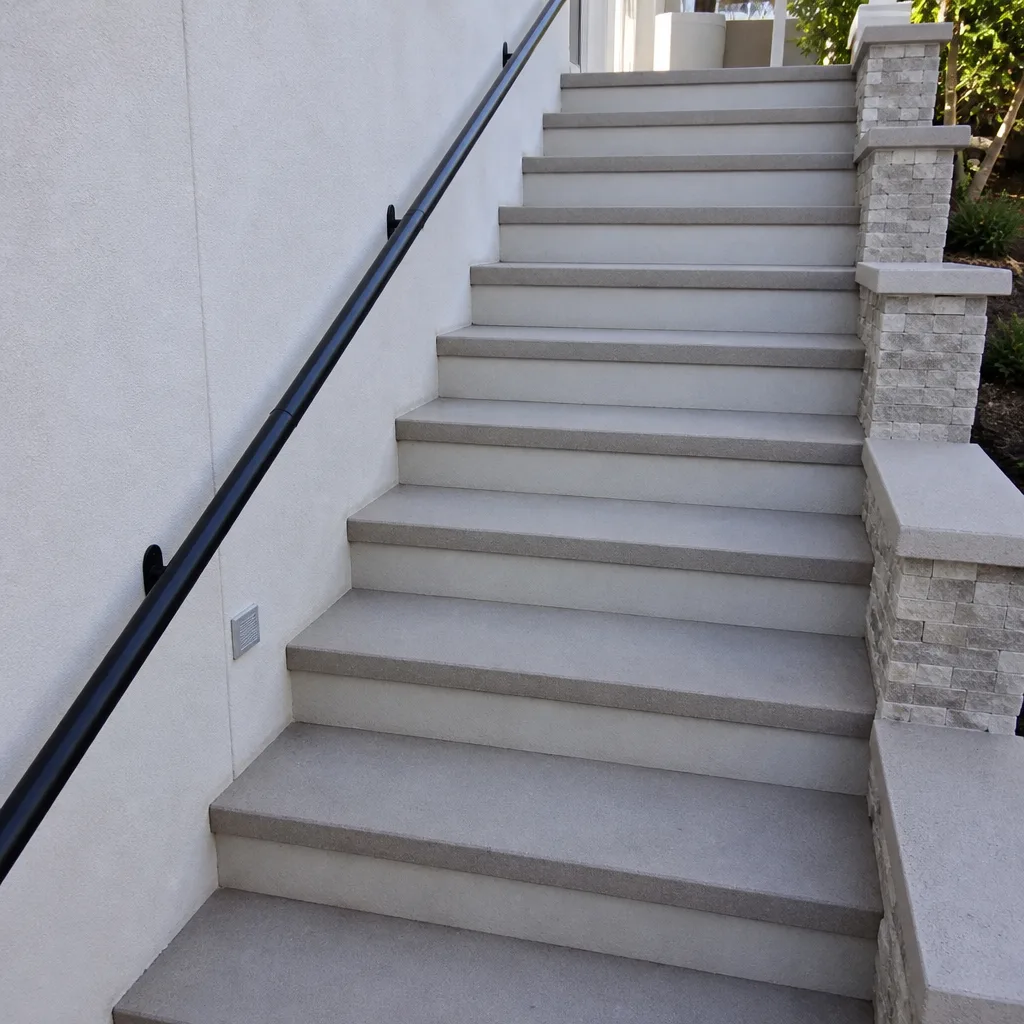 After
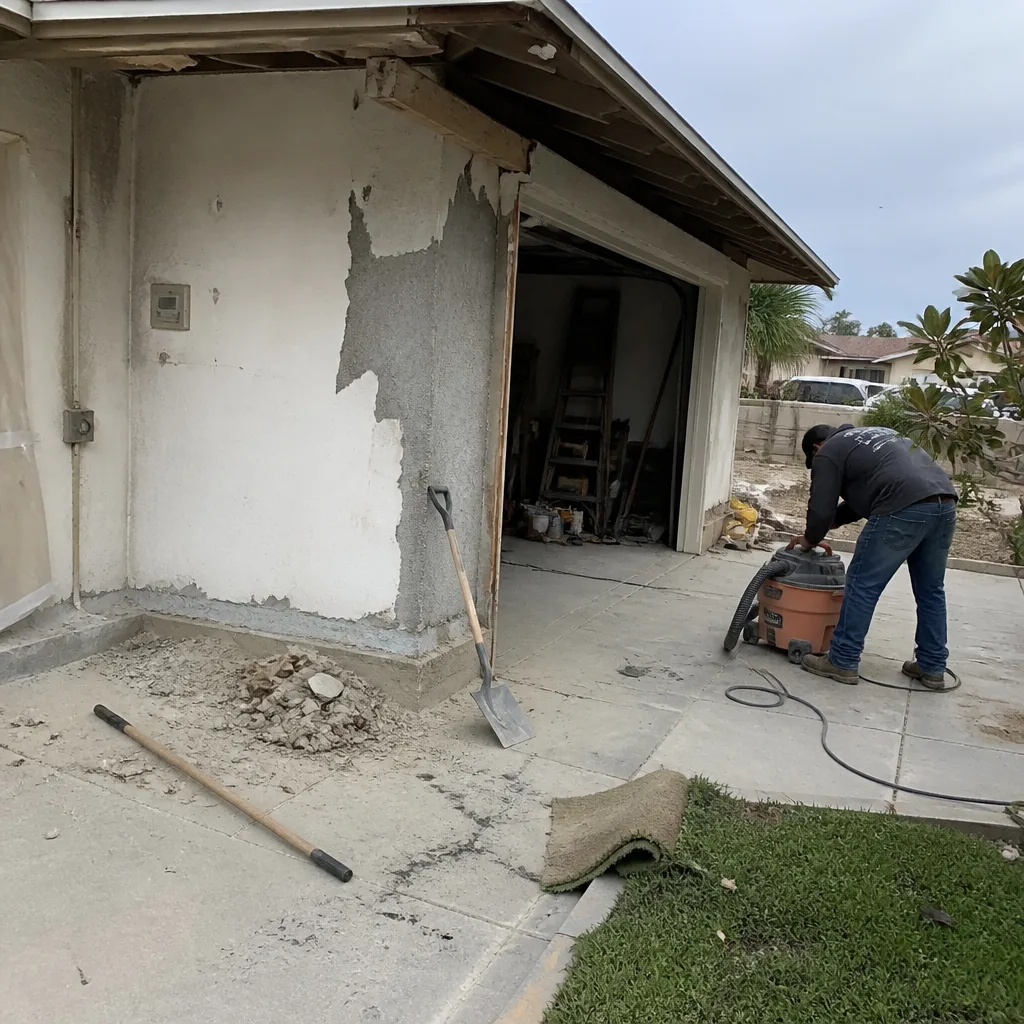 Before
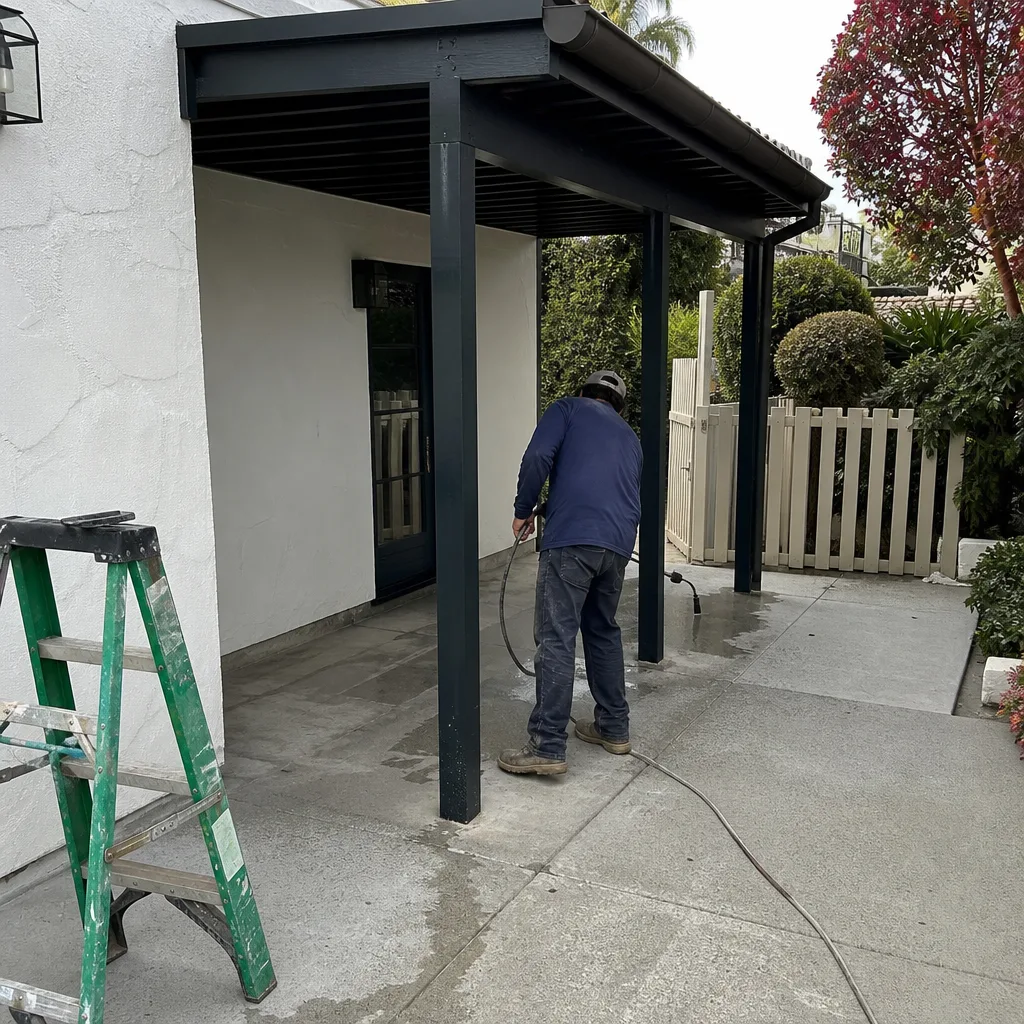 After
When to Call a Professional
Some of the maintenance in this guide is DIY-friendly: clearing a gutter, testing a downspout, checking a weep hole. But several situations call for a professional eye, not because the task is hard, but because the consequence of misreading it is high. If you see structural cracks wider than a hairline appearing in stucco or concrete, active water intrusion during rain, a retaining wall that’s visibly moved or leaning, or roof flashing that’s separated from the structure, get a professional assessment before the next weather cycle. The same applies if you notice persistent dampness in a lower level that you can’t trace to a specific source. Polaris Contractors offers free estimates in Newport Beach. Call (855) 473-6535 and we’ll walk the property with you.
Frequently Asked Questions
Fall is the most important season, because it’s your last window to prepare for the wet season. Everything that fails during a Newport Beach winter, from drainage backups to retaining wall movement, had its root cause in what wasn’t caught during October and November.
Twice a year is realistic: once in late fall before the rainy season, and once in late spring after the worst of the UV exposure. If your home is within a mile of the water or surrounded by mature trees, consider a third check in late summer.
Costs vary depending on the scope of the inspection and whether you need one trade or a whole-envelope walkthrough. Many full-scope contractors, including Polaris Contractors, offer free estimates for this kind of work. Call (855) 473-6535 for a walkthrough and a straight answer on what needs attention.
Yes. Hillside homes in neighborhoods like Newport Coast and Harbor View have retaining walls, sloped drainage paths, and different foundation stress patterns than flat-lot homes in areas like Westcliff or the Peninsula. The seasonal calendar is the same, but hillside homes need more attention on drainage and wall inspection.
It’s real, and the damage is most visible in metal components: fasteners, flashing, gate hardware, and light fixtures. Homes within a mile of the water should expect faster corrosion on anything metallic, and material selection at installation time is the main thing that slows it down.
Late spring through summer is the most reliable window for exterior work. The weather is dry, UV exposure is at its most testing (which is good for new materials to cure under), and you’re not racing the first atmospheric river of the season. For permits and project sequencing, start planning in late winter so you’re ready to go by April.
The Bottom Line
Newport Beach’s climate is gentle enough that homeowners can afford to defer maintenance for years, and harsh enough that the accumulated damage eventually shows up in a storm, a Santa Ana wind event, or a real estate inspection. The seasonal calendar here isn’t about temperature extremes; it’s about water saturation in winter, UV cycling in summer, ember exposure in fall, and salt air every single day. Getting ahead of those four forces, on the schedule this guide outlines, is the difference between a home that ages predictably and one that surprises you. If you’d rather have someone else track the calendar, Home Renovation in Anaheim and Newport Beach are both service areas where we manage exactly this kind of scope. Call (855) 473-6535 to schedule your free walkthrough.
Written by the team at Polaris Contractors, serving Newport Beach since 2018. Explore more guides & resources on our blog.