Last updated October 30, 2026
 Kitchen remodeling
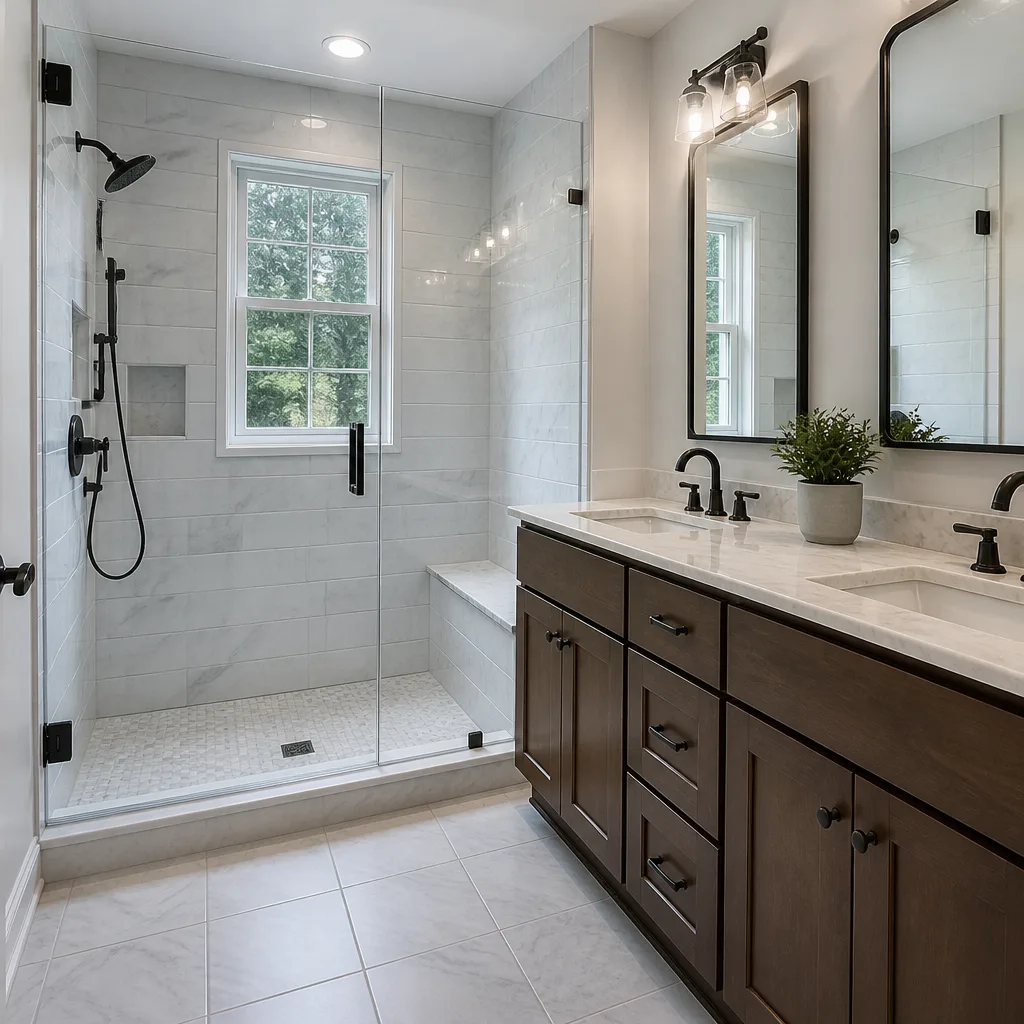 Bathroom remodeling
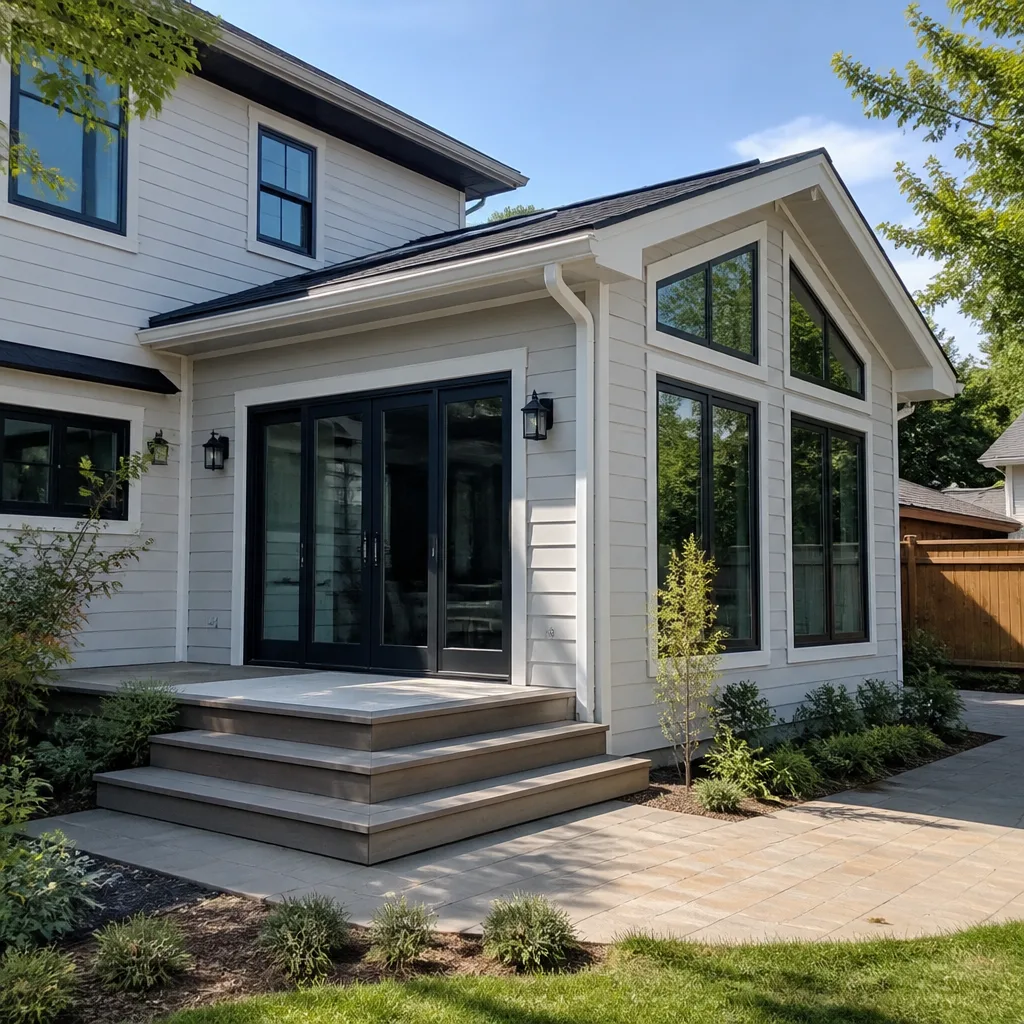 Home additions & ADU
 Roofing
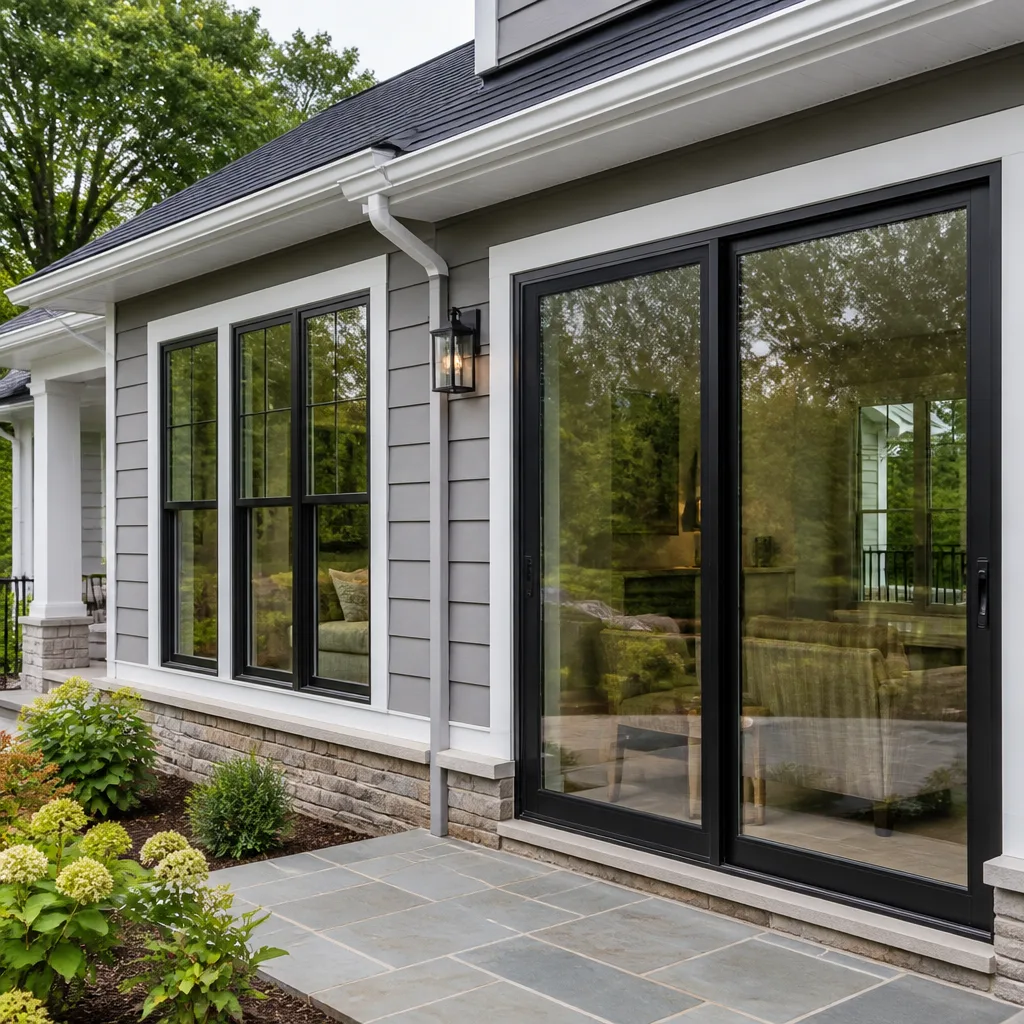 Windows & doors
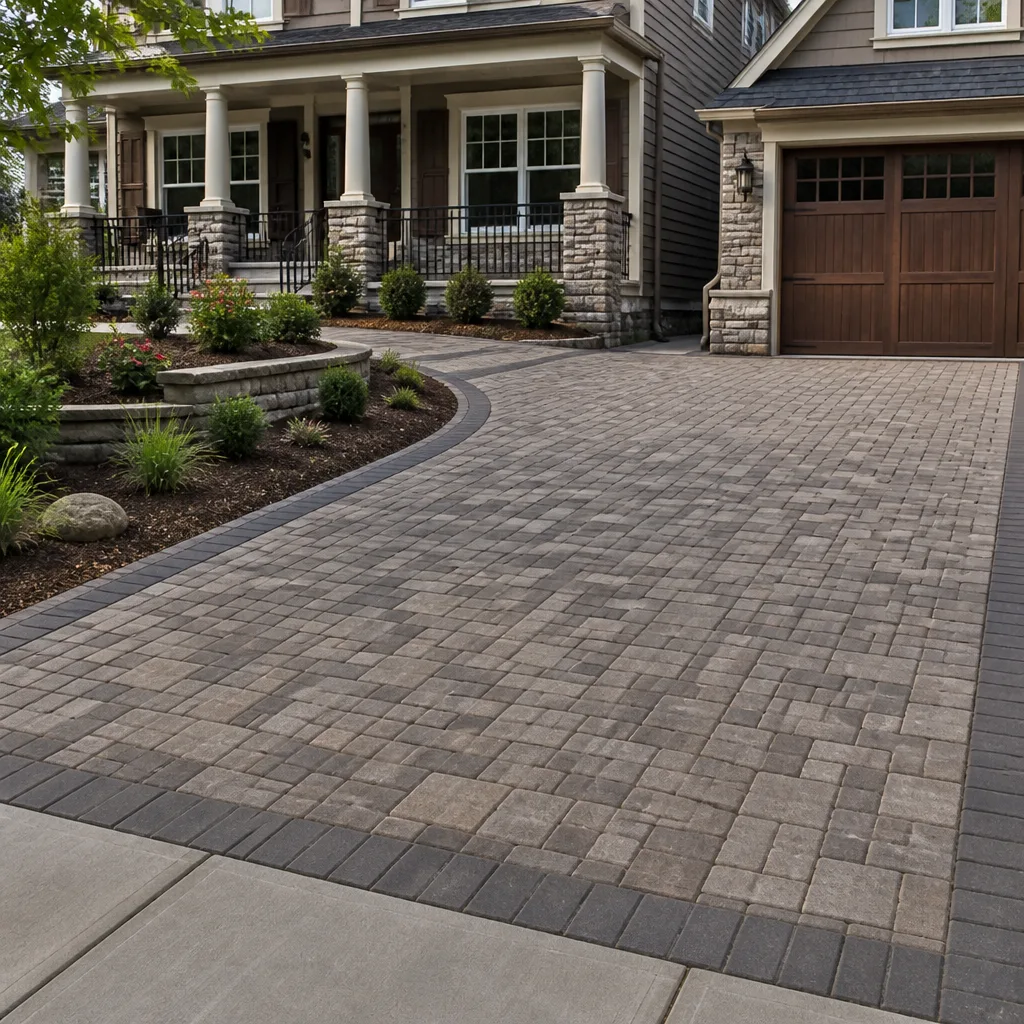 Driveway & pavers
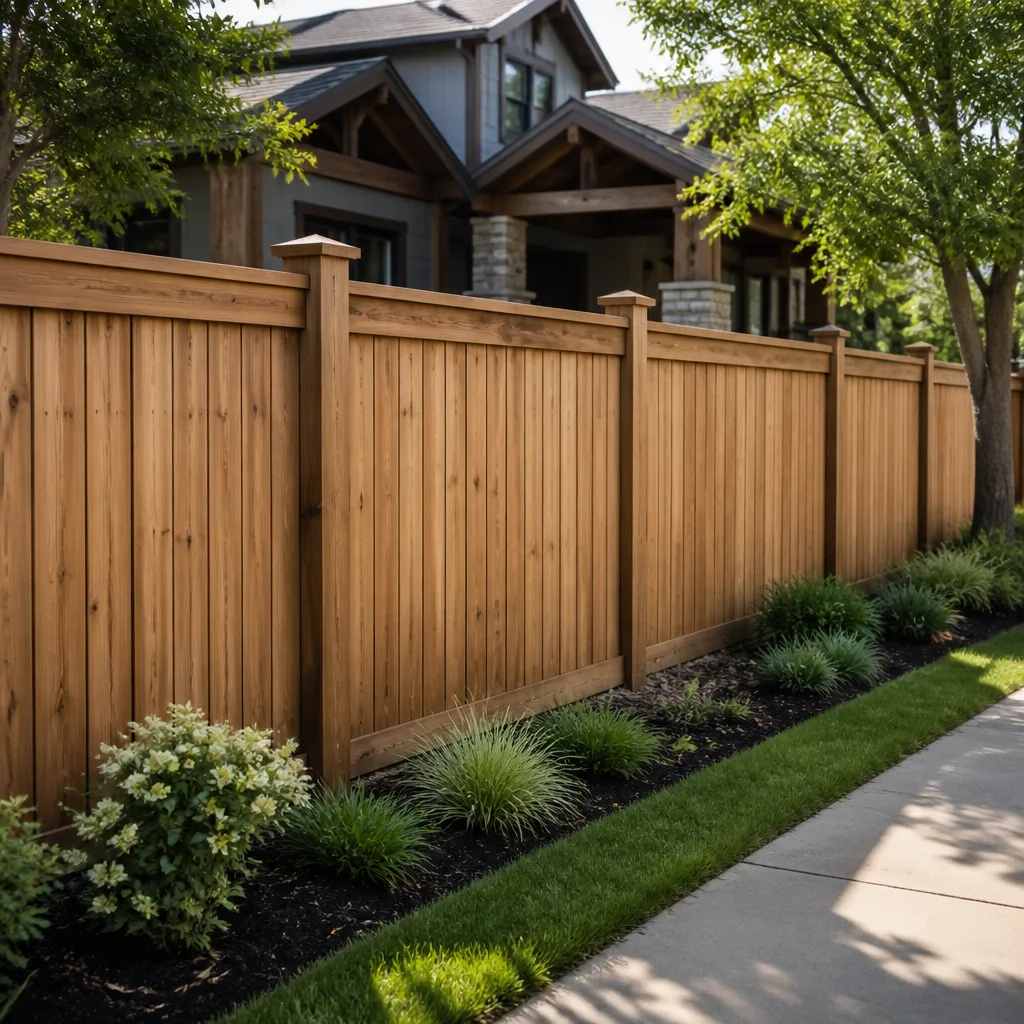 Fence
Free written scope consultation - allowances, timeline, and change-order rules on paper before a single trade is scheduled
How to Hire a Construction Contractor in Newport Beach: A Step-by-Step Guide
The most common complaint from Newport Beach homeowners isn’t that their contractor did bad work. It’s that a contractor who was great at building had no idea how to navigate the city, and the project sat idle for months. A beautifully framed wall means nothing when the permit office won’t sign off because the inspection request was filed through the wrong channel. This guide teaches you how to screen for process experience, not just trade skills, so your renovation moves from demo day to final inspection without the stagnation that plagues unprepared crews in Newport Beach.
Styles & brands we work with
Quick Answer
To hire a construction contractor in Newport Beach, start by verifying the contractor’s permit-pull history specifically within the city, since Newport Beach runs its own building department with review processes that differ from neighboring Orange County cities. Then check for experience with your project type, confirm they carry general liability and workers’ compensation insurance, and get at least three written bids that itemize materials by brand and spec, not vague allowances. Ask directly about their experience with the Newport Beach Planning Division, HOA design review, and coastal material requirements before you sign anything.
Table of Contents
- Why Newport Beach Permitting Is Different From Nearby Cities
- Step 1: Verify License and City-Specific Permit History
- Step 2: Evaluate Process Experience, Not Just Portfolio Photos
- Step 3: Read Bids for Coastal Material Lines
- Step 4: Ask About HOA and Coastal Commission Experience
- Step 5: Check the Subcontractor Management Model
- Step 6: Get a Written Scope and Schedule Before You Sign
- Common Mistakes to Avoid
- When to Call a Professional
- Frequently Asked Questions
- The Bottom Line
Why Newport Beach Permitting Is Different From Nearby Cities
Newport Beach operates its own Community Development Department, which means plan checks and inspections are handled by city staff, not county officials. A contractor who pulls fifty permits a year in Anaheim or Santa Ana may have zero familiarity with Newport Beach’s specific submittal requirements. The city also enforces design review through neighborhood associations and, in many cases, requires approvals that don’t exist in most other Orange County jurisdictions.
For coastal projects, the California Coastal Commission adds another layer. Any exterior work on a property within the coastal zone may trigger a Coastal Development Permit, which can take weeks or months depending on the scope. A contractor who has never filed a CDP application in Newport Beach will learn on your dime, and the learning curve is measured in months, not days.
Then there’s the salt factor. Newport Beach’s marine environment corrodes standard hardware faster than inland cities. The city’s building codes reflect this: exterior fasteners, flashing, and certain structural connectors must meet corrosion-resistance standards that a contractor working primarily in Irvine or Tustin may never have encountered. When we plan exterior work on the Balboa Peninsula, we specify stainless or hot-dipped galvanized hardware as a matter of course. An inland contractor might not.
Polaris Contractors home walks you through our full-scope approach if you want to see how a single-source team handles this complexity from the start.
Step 1: Verify License and City-Specific Permit History
Every contractor in California must hold a current CSLB license. You can verify a license number at cslb.ca.gov in under two minutes. That’s the baseline, not the qualifier. The qualifier is what that contractor has actually pulled in Newport Beach.
Here’s the sequence we recommend:
- Check the CSLB license. Write down the license number, verify it’s active, and note how long the contractor has held it. A license held for ten-plus years with the same entity name signals stability.
- Ask for a list of Newport Beach addresses where they pulled permits in the past three years. A legitimate contractor will provide this without hesitation. Then ask if you can drive by one or two. If they hesitate, that’s your answer.
- Call the city’s Building Division. Newport Beach allows you to verify permit history by address. Ask whether the contractor’s permits were closed cleanly or whether any inspections were failed repeatedly. City staff will tell you.
- Look for liens or disputes. Check the county recorder’s office for mechanic’s liens filed against the contractor’s business name. One lien in ten years is noise. Three liens in two years is a pattern.
- Ask about Board of Professional Engineers involvement. For structural work, additions, or retaining walls, find out whether the contractor works with a registered structural engineer on a regular basis or scrambles to find one when the city demands stamped calcs.
We’ve seen homeowners in Corona del Mar hire a contractor with a spotless CSLB record and a great portfolio, only to discover the contractor had never navigated the city’s plan check comments on a single project. The job stalled for six weeks while the contractor figured out what the plan reviewer wanted. That’s the scenario this first step eliminates.
Step 2: Evaluate Process Experience, Not Just Portfolio Photos
Every contractor shows you photos of finished kitchens. Few show you the permit ledger. Ask to see the paperwork trail on a recent Newport Beach project: the permit application, the plan check comments, the inspection sign-off sheet, the certificate of occupancy or final approval letter. If a contractor can produce this in twenty-four hours for a project they completed in Newport Beach, they have the muscle memory you’re paying for.
The difference matters because Newport Beach plan reviewers are particular. They will ask for specific details on door schedules, window energy ratings for the coastal zone, and structural calculations on anything that touches a load-bearing wall. A contractor who has been through this ten times anticipates the comments before they come. A contractor who hasn’t will run a plan check that takes three rounds and six extra weeks.
Ask this direct question: “How many revisions did your last Newport Beach plan check require, and what were the comments?” The answer tells you everything. An experienced contractor says something like “one round, they wanted clarification on the door hardware.” An inexperienced contractor says “we don’t really track that.” Track it. It’s the single most revealing data point you can collect.
Step 3: Read Bids for Coastal Material Lines
Two bids can look identical on the bottom line and be wildly different in what they actually deliver. The difference in Newport Beach comes down to material specification, which is why Choosing the Right Construction Brand: A Buyer’s Guide for Newport Beach matters. You need to read the line items, not just the total.
Here’s what to look for:
- Exterior hardware and fasteners. The bid should specify stainless steel, galvanized, or otherwise corrosion-rated hardware for anything exposed to salt air. A line item that just says “exterior screws” is a red flag.
- Window and door ratings. Newport Beach’s coastal climate and energy code requirements mean windows should be marine-grade or at minimum meet Title 24 standards for the coastal zone. If one bid specifies PGT or CGI impact-rated models and another says “standard vinyl windows,” those bids are not comparable.
- Roofing underlayment and flashing. The city’s exposure to wind-driven rain means underlayment spec matters. If the bid doesn’t name the underlayment product and the flashing material, ask why.
- Stucco and exterior finish systems. Coastal homes need exterior finishes that tolerate constant moisture and salt exposure. A bid that specifies the finish system by brand and warranty is a bid from someone who knows what Newport Beach demands.
- Concrete and masonry. Salt exposure degrades standard concrete faster. Ask if the mix design includes corrosion inhibitors or if the pavers are sealed for coastal conditions. Belgard and Unilock both make product lines rated for marine environments, and we specify them regularly for hardscaping work in Newport Beach.
The point is simple: two bids at $85,000 for a window replacement may differ by $12,000 in actual delivered value, and that difference is a code compliance issue in Newport Beach, not a nice-to-have. We guide clients to the right material tier for their goals, whether that’s Therma-Tru doors on a Dover Shores home or mid-market Moen fixtures in a rental near Hoag Hospital.
Step 4: Ask About HOA and Coastal Commission Experience
Many Newport Beach neighborhoods fall under homeowners associations with design review boards that must approve exterior changes before the city will even accept a permit application. Lido Isle, Harbor View, Big Canyon, and Newport Coast all have active HOAs with their own submission processes, timelines, and aesthetic standards.
Before signing with any contractor, ask these three questions:
- “How many HOA design review packages have you submitted in Newport Beach?” A contractor who has navigated the Lido Isle Community Association’s review process knows what the board will kick back. A contractor who hasn’t will learn by doing, and you’ll wait.
- “Does this project fall within the coastal zone, and will it need a Coastal Development Permit?” Exterior changes on many Newport Beach properties trigger CDP requirements. The contractor should know this before you sign, not after the city flags it.
- “What neighbor notice requirements apply to this project?” Some Newport Beach projects require notifying adjacent property owners before certain types of work. A contractor who has never done this will stumble at the first notice deadline.
We’ve seen Good Neighbor Fence projects in the Port Streets stall because the contractor didn’t know the HOA had its own fence height and material restrictions on top of the city’s. That’s a process failure, not a trade failure. The vetting question is always: has this contractor done this specific thing in this specific city before?
Step 5: Check the Subcontractor Management Model
There’s a meaningful difference between a general contractor who coordinates subcontractors and one who just hands you a list of phone numbers. In Newport Beach, where permit inspections span multiple trades and timing matters, that difference determines whether your project finishes in five months or eleven.
Ask how the contractor manages subs in these specific ways:
- Who schedules the inspections? If the answer is “you coordinate with each sub for their own inspections,” walk away. A real GC schedules all inspections through the city’s system and ensures the right person is on site when the inspector arrives.
- Who owns the schedule when one trade runs late? If the electrician is delayed and your drywall crew sits idle for two weeks, who eats that delay? A managed project has a GC who re-sequences the schedule and holds the sub accountable. An unmanaged project has you calling the electrician to ask where they are.
- Is there a single contract, or do you sign separate agreements with each trade? One contract with one accountable party is what you want. Multiple contracts means you’re now the general contractor, and you’re doing that job unpaid.
- What happens if a sub does defective work? The GC should warrant the subcontractor’s work under the main contract. If the GC’s answer is “you’d need to take that up with the sub,” that’s a red flag bigger than any material spec.
At Polaris Contractors, we run the full scope under one project agreement. That means roofing, windows, kitchen, bath, fencing, and hardscaping all flow through a single point of accountability. You don’t chase a roofer about flashing while a window installer waits on measurements. Your project, managed start to finish.
General Contractor in Anaheim is another resource if you’re comparing how different cities handle multi-trade coordination.
Step 6: Get a Written Scope and Schedule Before You Sign
The contract is where process experience shows up on paper. In Newport Beach, a good contract accounts for city review timelines, HOA approval windows, and material lead times that vary by brand. A bad contract says “timeline to be determined.”
Request these items before signing:
- A line-item scope of work. Every material should have a brand, model, or spec. “Kitchen faucet” is not a scope item. “Kohler Bellera pull-down faucet in polished chrome” is.
- A schedule with named milestones. Demo start, rough inspection, insulation inspection, drywall, trim, final inspection. Each should have a target date or a range.
- A permit responsibility clause. The contract should state who pulls permits, who attends inspections, and who responds to plan check comments.
- A change order process in writing. How do changes get approved, priced, and documented? If the answer is a verbal conversation, get it in writing before you sign.
- A payment schedule tied to milestones, not dates. You should pay when work is completed and inspected, not when the calendar says a payment is due.
Get all of this before the project starts, not after. The contractor who pushes back on a written scope is telling you something important about how they’ll operate when the inevitable hiccup arrives.
Common Mistakes to Avoid
- Hiring without checking Newport Beach permit history. A CSLB license tells you someone is legally allowed to contract. It says nothing about whether they know the Newport Beach plan check process. Check the city permit history specifically.
- Accepting a bid with vague allowances. “Allowance for countertops: $4,000” without specifying the material means the contractor has built a placeholder, not a plan. When you hit the selection showroom and Cambria quartz costs more than the allowance, you pay the difference. Get allowances itemized by brand before signing.
- Ignoring salt-air material requirements. Newport Beach’s coastal environment will destroy non-rated exterior hardware within a few years. If your bid doesn’t specify corrosion-resistant fasteners and marine-grade finishes, you’re paying for a future repair.
- Skipping HOA review before signing a contract. Some Newport Beach HOAs take six to eight weeks for design review. If you sign a contract and start demo before HOA approval, you may be tearing out work the board rejects. Confirm the approval sequence before anything starts.
- Choosing the low bid without comparing line items. The low bid often omits the very things that make a Newport Beach project durable and code-compliant. Read every line.
- Not asking about Coastal Commission experience. A CDP can add months to a project. If your contractor has never filed one, you’re paying for their education.
- Paying too much upfront. California law limits the down payment to 10% or $1,000, whichever is less. Any contractor asking for more is either ignorant of the law or willing to break it. Either way, not someone you want on your job.
When to Call a Professional
You need a general contractor when the project touches more than one trade, when permits are required, when the work is structural, or when the city’s review process demands documentation you don’t know how to produce. See The Complete General Contractor Guide for Newport Beach Homeowners for a deeper breakdown. That covers most significant renovations in Newport Beach. A kitchen remodel involves plumbing, electrical, drywall, cabinets, countertops, and appliances. A bathroom remodel adds waterproofing and tile work. An ADU addition brings structural changes, new utility connections, and a full permit package that the city reviews line by line.
If you’re planning any of this, don’t guess at the process. Polaris Contractors offers free estimates in Newport Beach. We’ll walk you through what the project requires, what the city will ask for, and what the material options look like at each budget level. Call (855) 473-6535 to schedule yours.
Frequently Asked Questions
Kitchen remodels in Newport Beach typically run $60,000 to $120,000 for a full gut renovation, while bathroom remodels range from $25,000 to $50,000 depending on fixtures and finishes. Exterior projects like roofing or window replacement vary by square footage and brand specification, but expect to pay more in Newport Beach than in inland Orange County cities due to coastal material requirements and city permit fees. Call (855) 473-6535 for a line-item estimate specific to your project.
A kitchen remodel in Newport Beach takes three to five months from design to final inspection, with plan check and HOA review adding four to eight weeks before demo begins. Bathroom remodels typically run six to ten weeks. Projects requiring Coastal Commission approval can add two to four months. A realistic schedule accounts for city review time, not just construction time.
Yes, most remodels in Newport Beach require permits, including kitchen and bath renovations that move plumbing or electrical, any structural changes, window and door replacements that alter openings, roofing work, and all ADU additions. The city’s Building Division reviews plans and issues permits before work begins. A contractor who says you can skip the permit is setting you up for problems at resale and with your insurer.
The price should not change unless the scope changes, and any scope change should be documented in writing as a change order before work proceeds. Contractors who build vague allowances into their bids are effectively planning for price increases. Get a detailed line-item scope before signing, and insist that all changes flow through a written change order process.
Yes, Polaris Contractors pulls all required permits in Newport Beach and manages inspections through final sign-off. We handle the plan check comments, the inspection scheduling, and the coordination with all trades so you don’t have to navigate the city’s process yourself. That’s part of single-source accountability. Call (855) 473-6535 to discuss your project.
A general contractor builds what the plans specify. A design-build firm handles both design and construction under one agreement, which can streamline a remodel where you’re changing layouts or finishes. Some projects in Newport Beach work better with an architect-led design process, while others move faster with a contractor who can guide material selections directly from the brand catalogs. Home Remodeling in Anaheim offers more context on how the remodel process works when you’re comparing approaches.
Projects on properties within the coastal zone, which covers much of Newport Beach’s beachfront and bayfront areas, may require a Coastal Development Permit for exterior changes, additions, or certain types of reconstruction. The city’s Planning Division can tell you whether your address falls in the coastal zone. A contractor with Newport Beach experience knows to check this before you finalize plans, not after the city flags it during permit review.
Yes, Polaris Contractors handles ADU and prefab structure additions in Newport Beach, including units from manufacturers like Dvele, Boxabl, and Plant Prefab. ADUs in Newport Beach face the same city review process as any other project, plus specific ADU ordinance requirements. Home Renovation in Anaheim covers the renovation side of ADU-adjacent work if you’re considering options.
The Bottom Line
Hiring a construction contractor in Newport Beach means screening for city-specific process experience first and trade skills second. The best carpenter in Orange County is the wrong choice if they’ve never pulled a permit in Newport Beach, never coordinated an HOA design review, and never filed a Coastal Development Permit. Verify the license, check the Newport Beach permit history, read every line of the bid for coastal material specs, and get the entire scope in writing before work begins. Do that, and you’ll have a project that moves through plan check, inspections, and closeout without the idle months that frustrate so many Newport Beach homeowners. For more guides & resources, explore our blog. Do it wrong, and you’ll be the next person telling the same story this guide opened with.
Written by the team at Polaris Contractors, serving Newport Beach since 2018.
See the difference
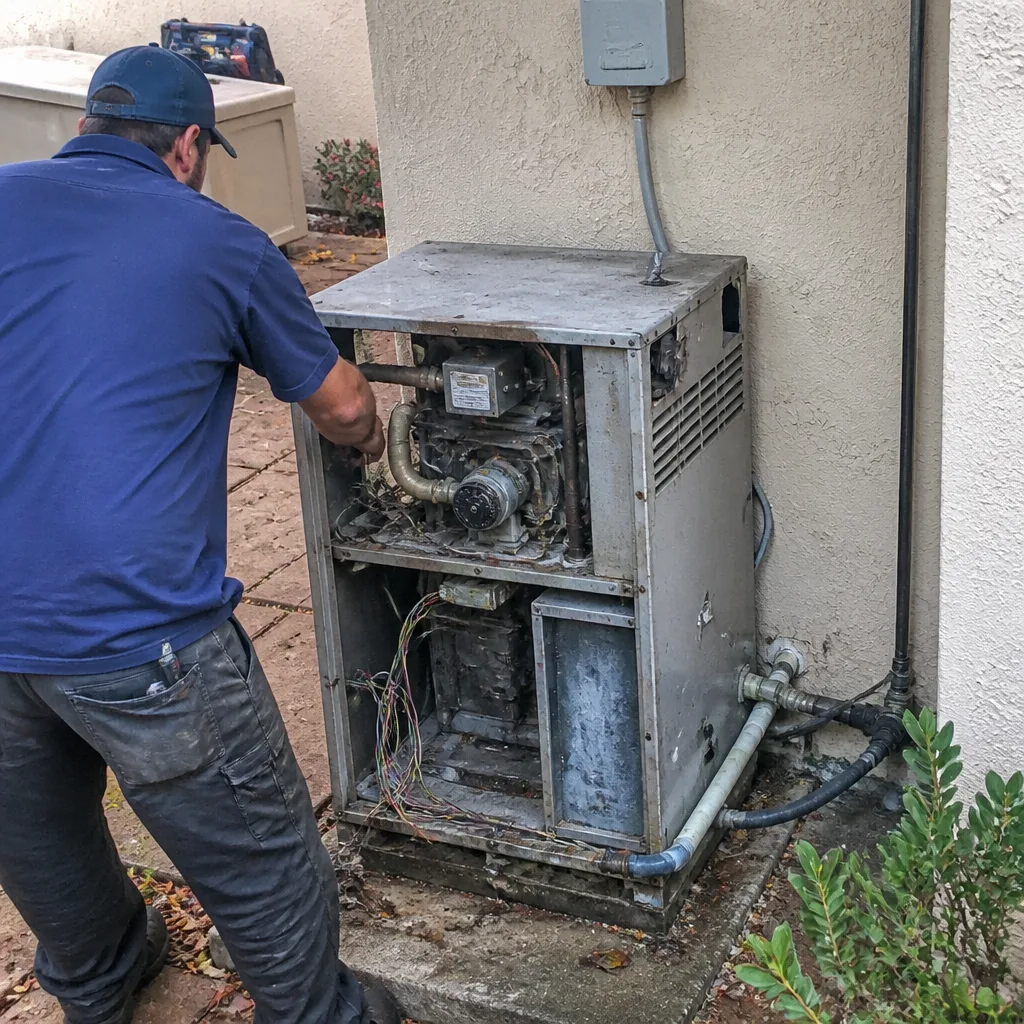 Before
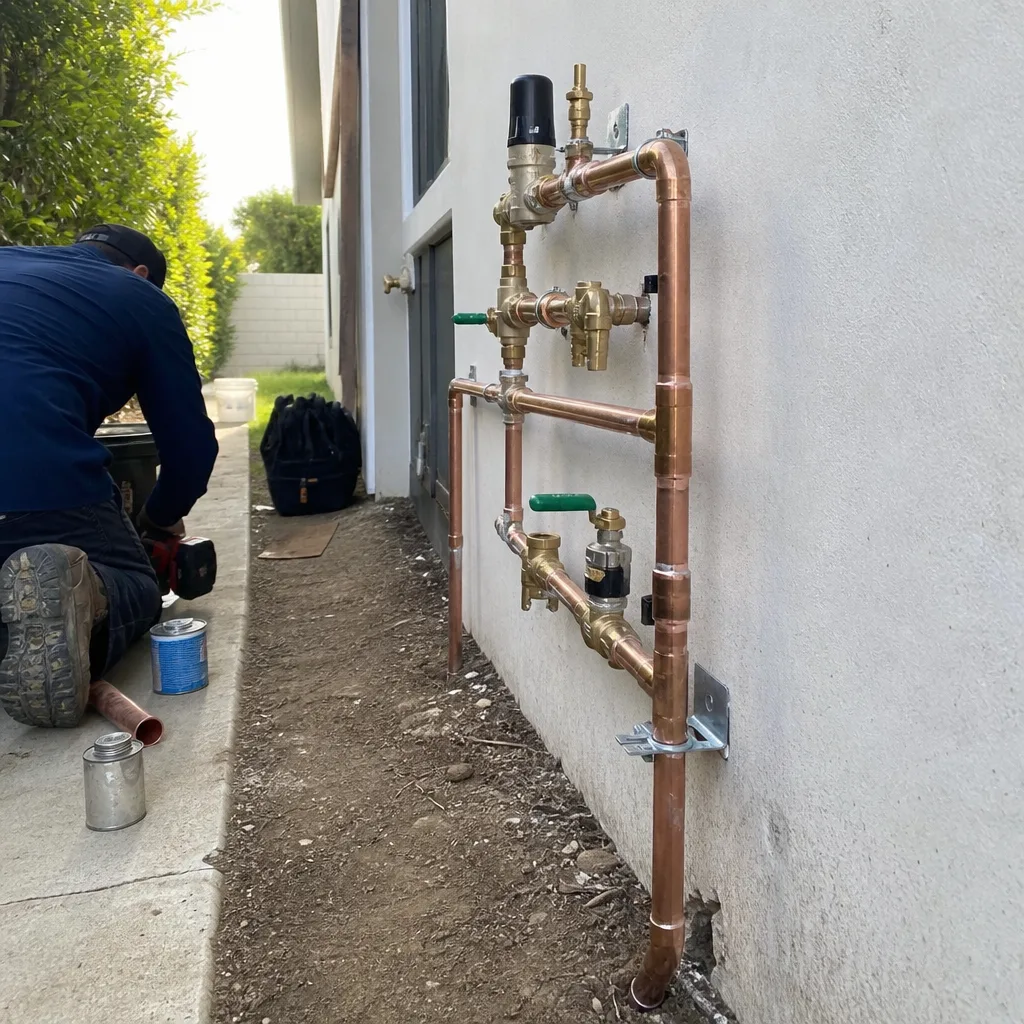 After
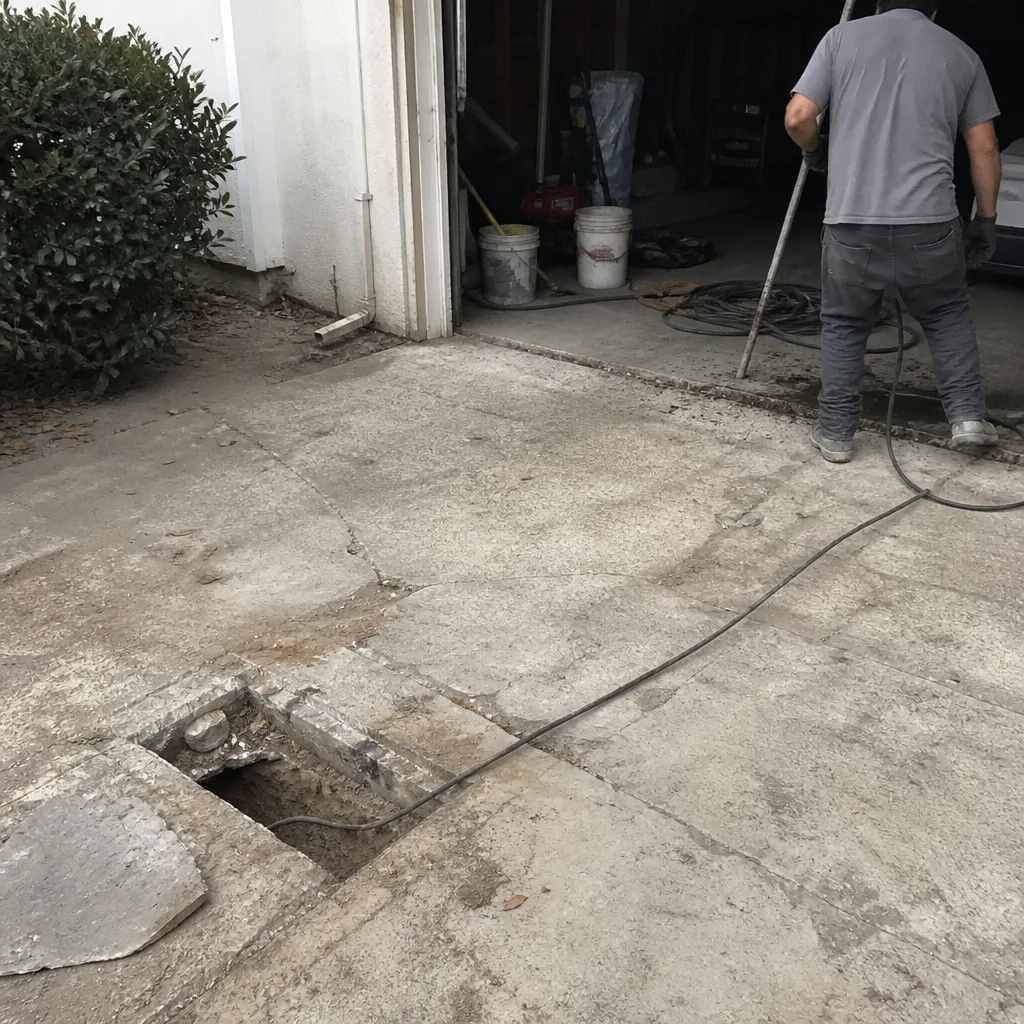 Before
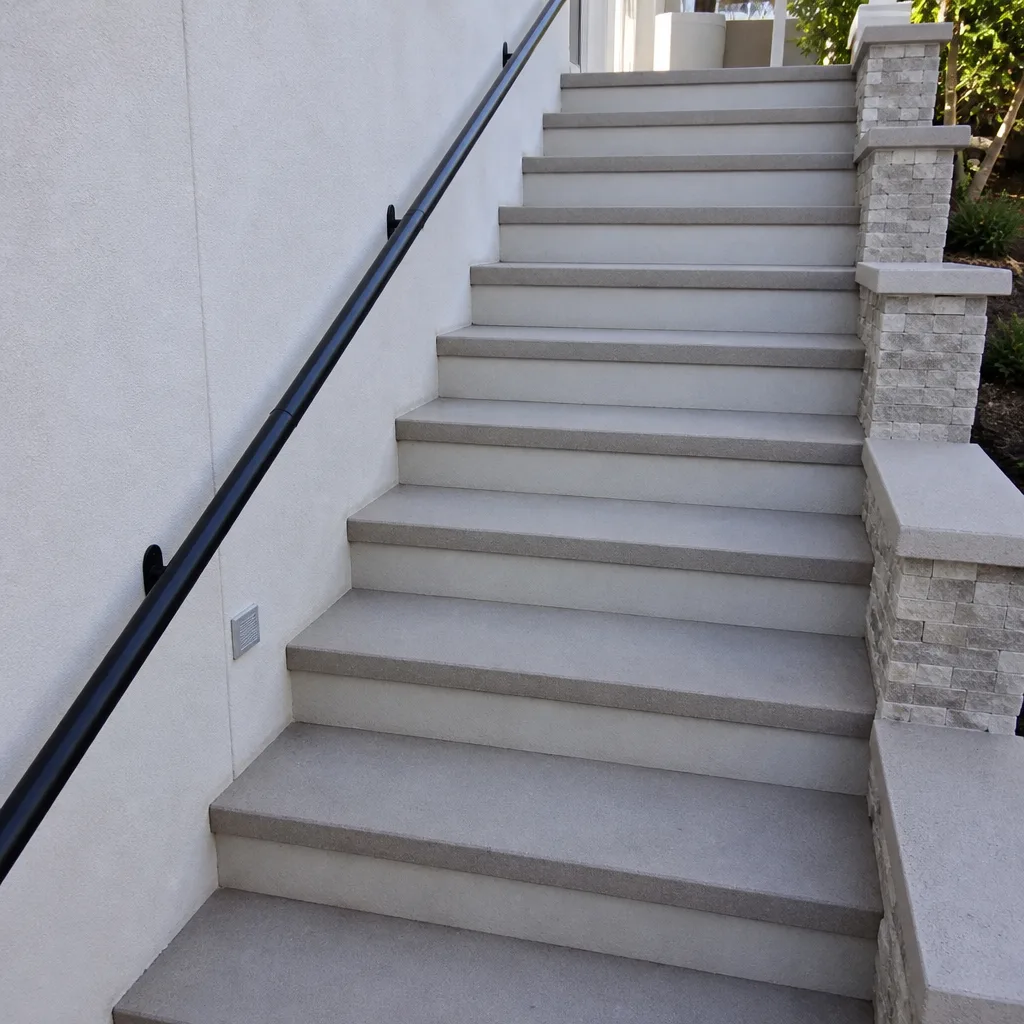 After
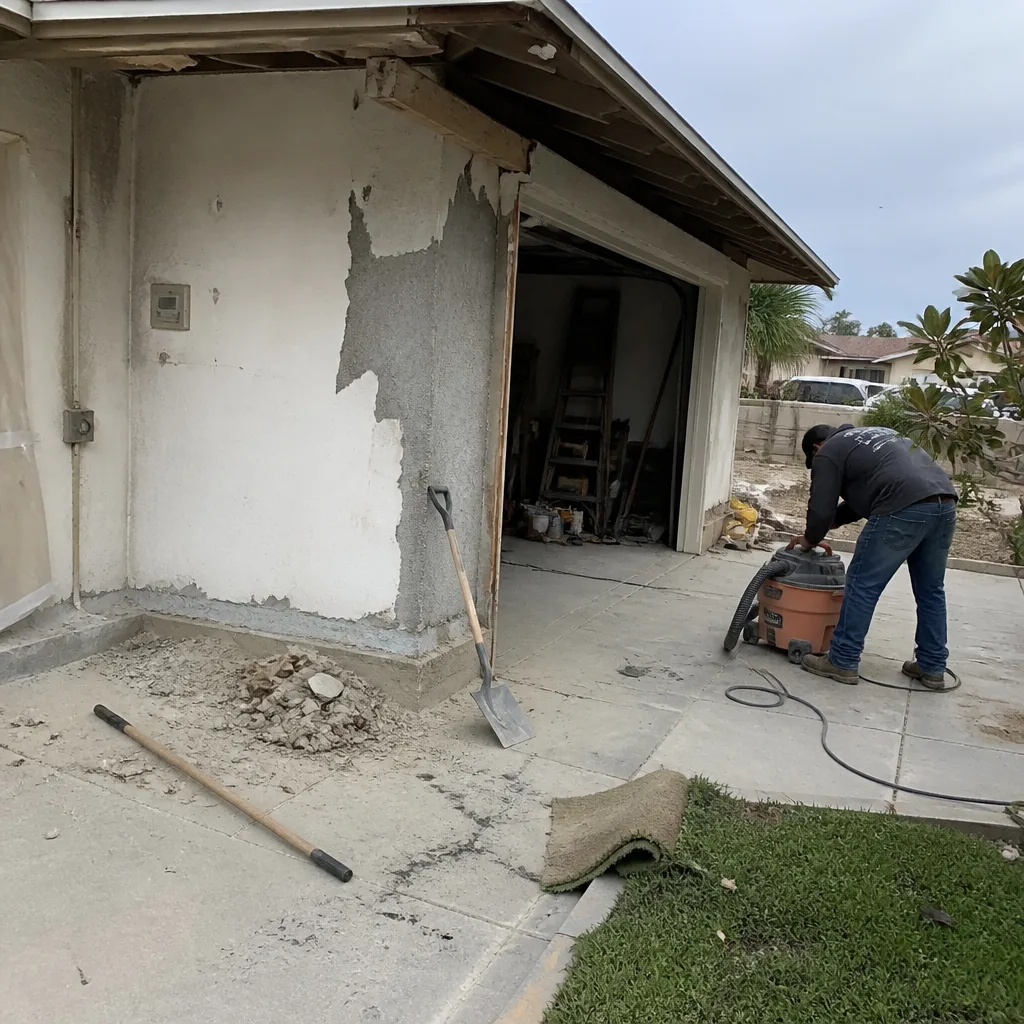 Before
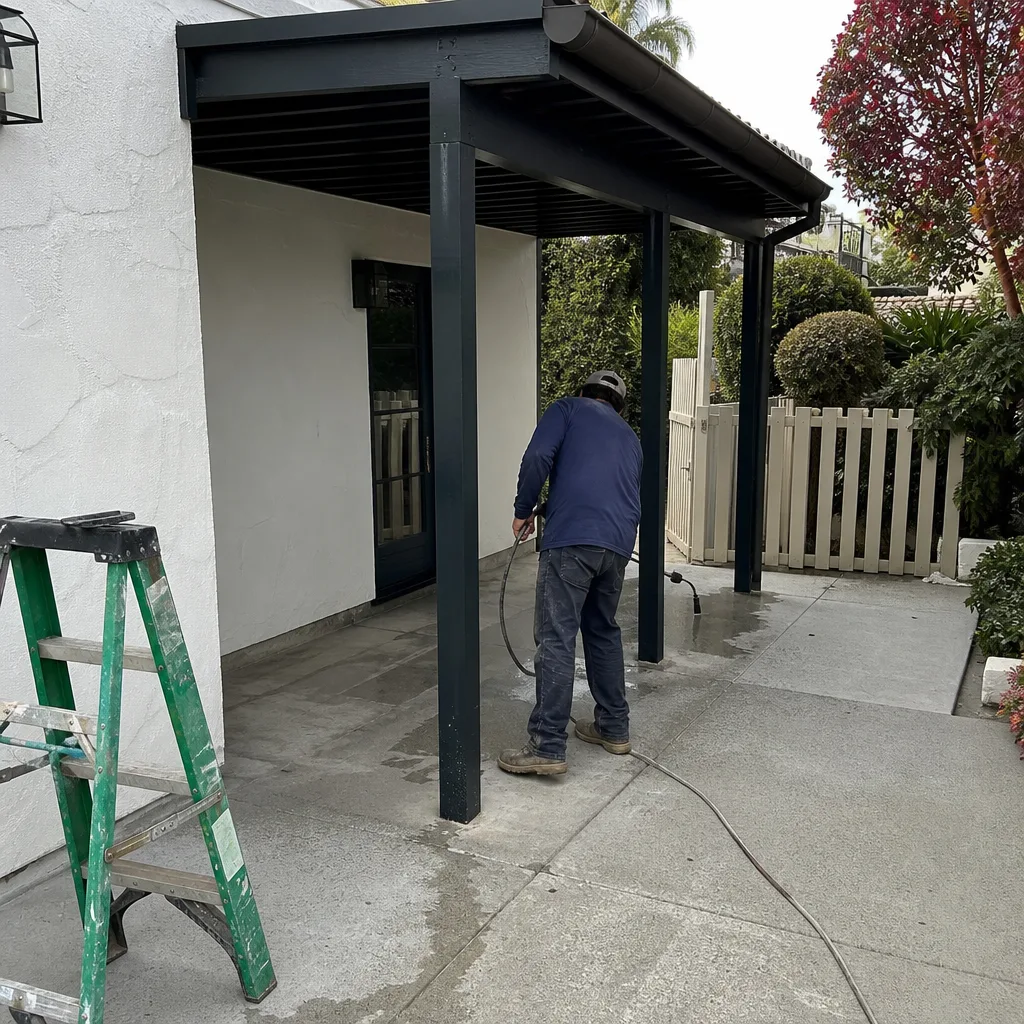 After