
Last updated October 30, 2026
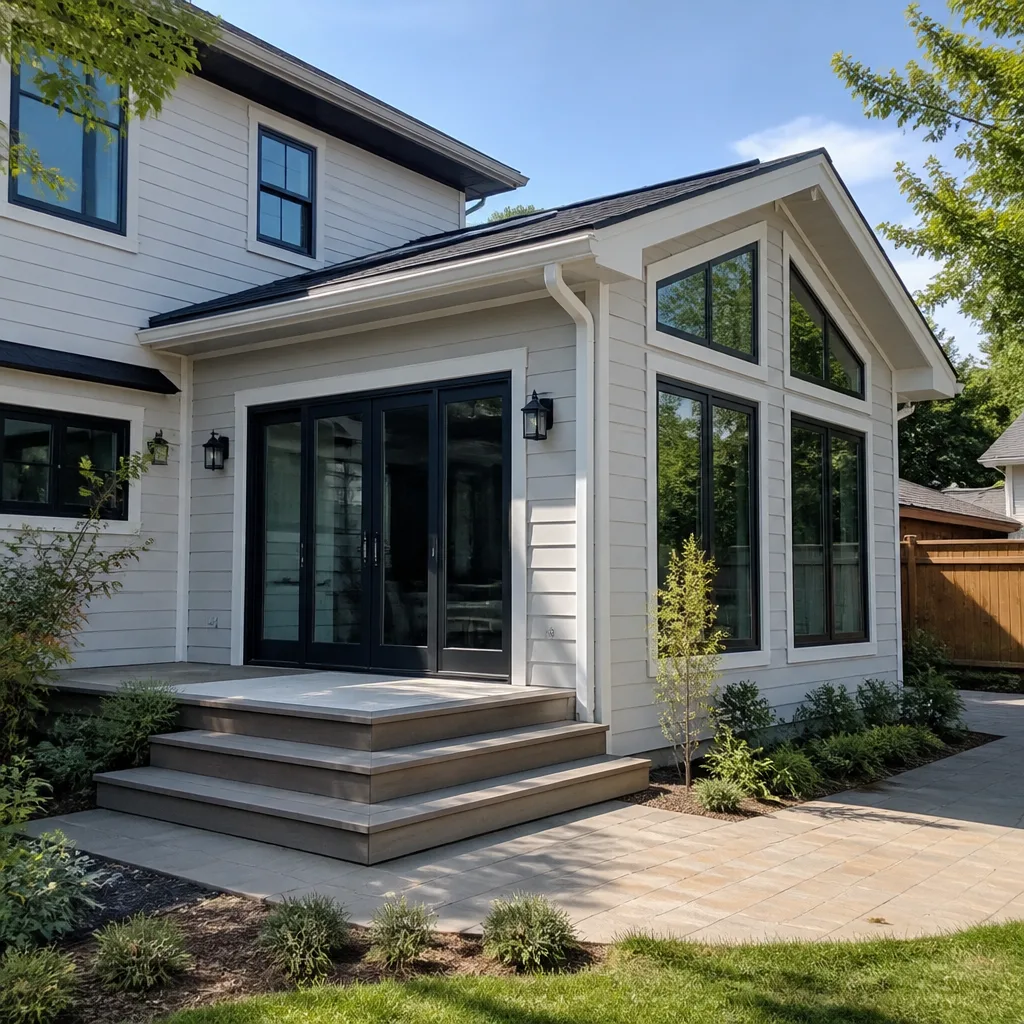 Home additions & ADU
 Kitchen remodeling
 Bathroom remodeling
 Roofing
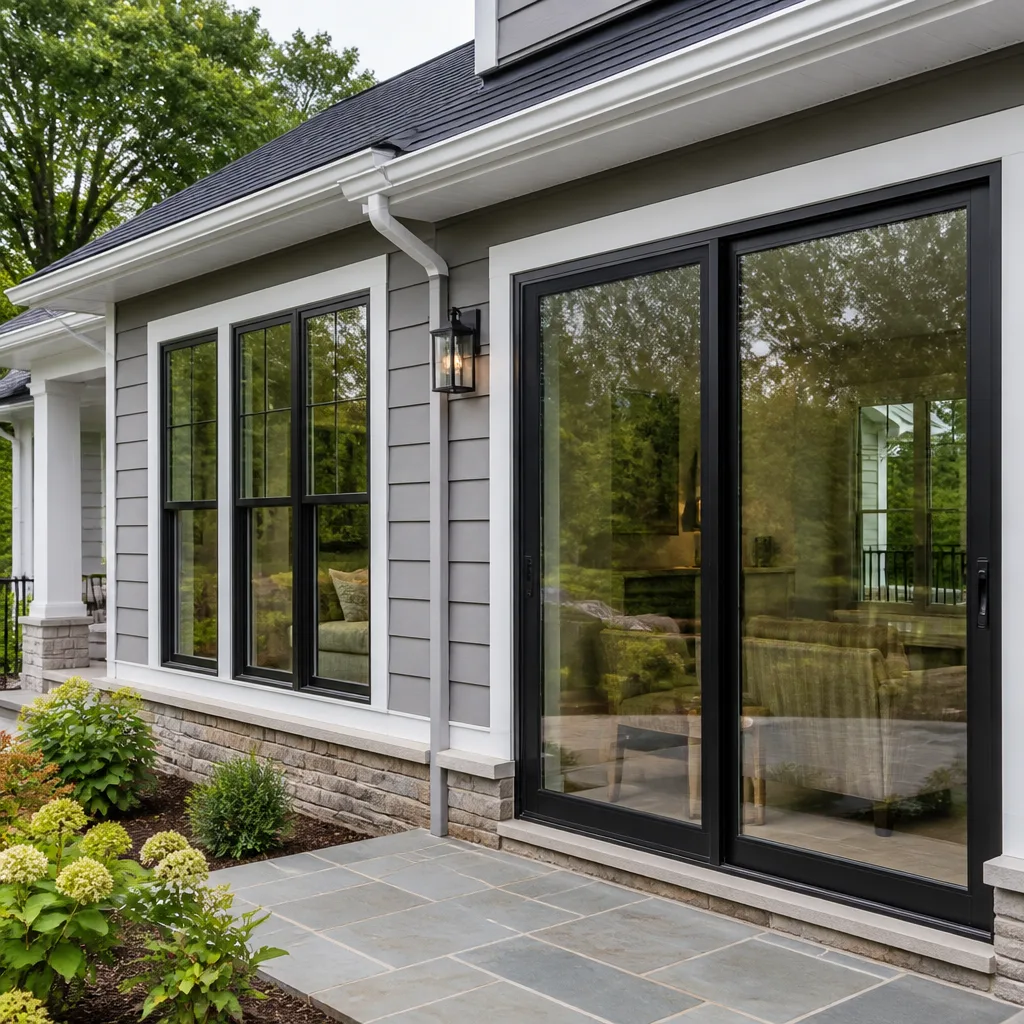 Windows & doors
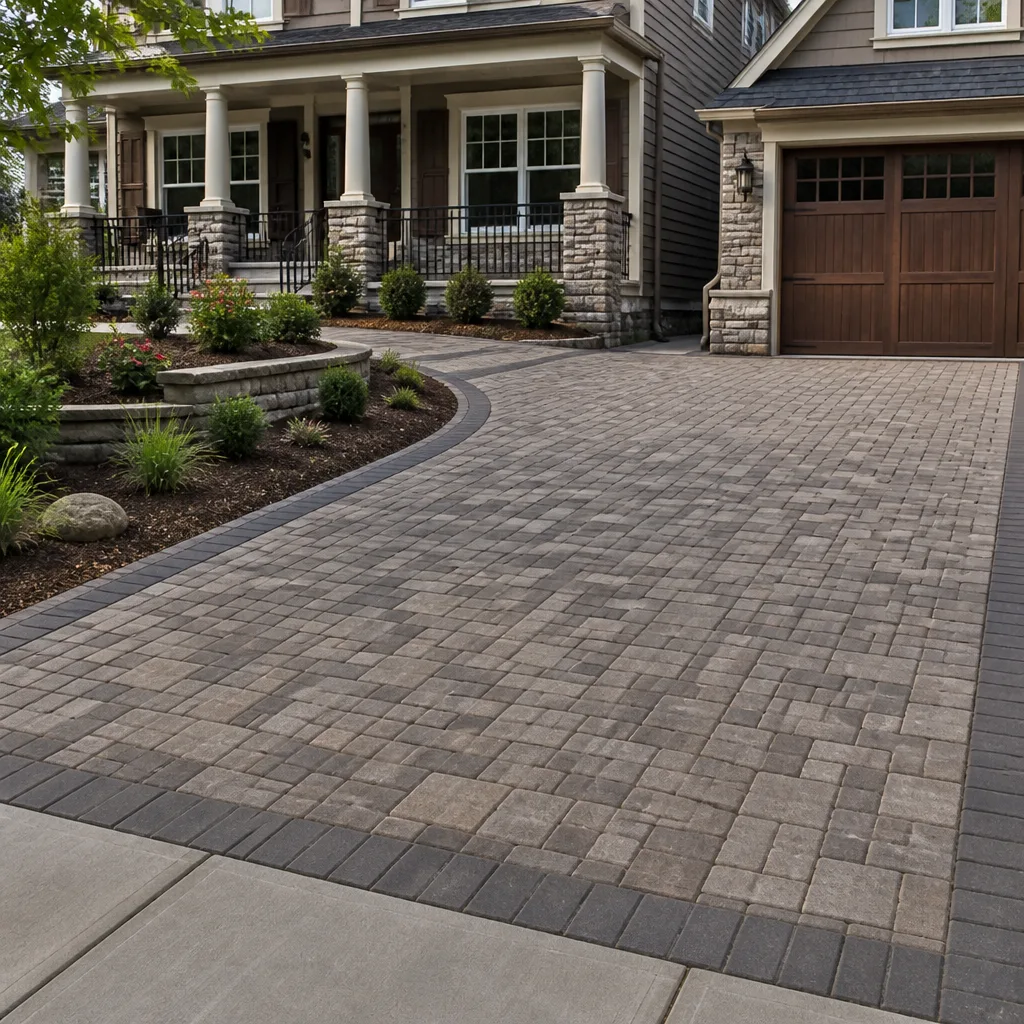 Driveway & pavers
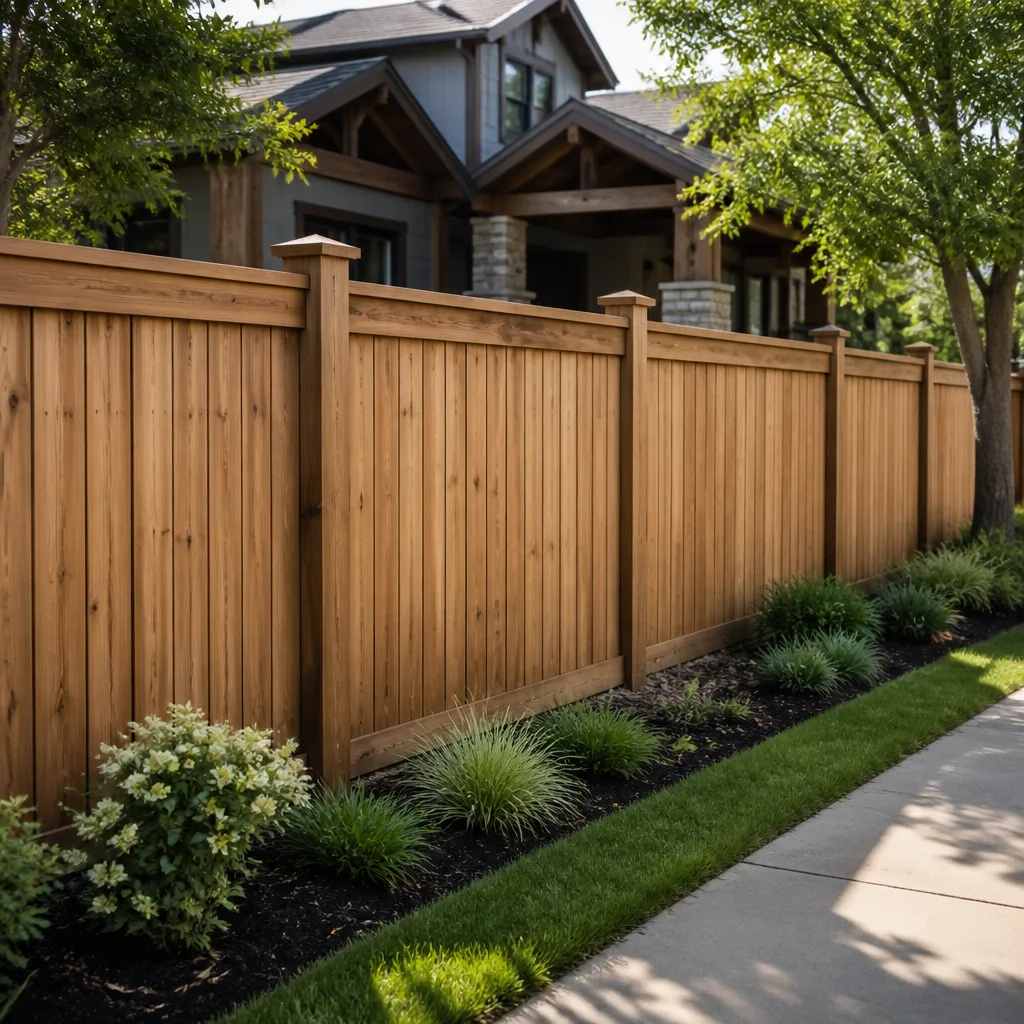 Fence
Free written scope consultation - allowances, timeline, and change-order rules on paper before a single trade is scheduled
General Contractor Maintenance Checklist for Newport Beach Homeowners
A galvanized fastener rated for 25 years inland can corrode through in under 8 years in a direct ocean-facing Newport Beach exposure, yet almost no standard maintenance guide flags this distinction. Salt air, marine-layer moisture cycling, and UV intensity combine to create a threat matrix that ages a coastal home roughly twice as fast as the same structure 10 miles east. This guide is built from what we actually see on job sites from Corona del Mar to Lido Isle: which materials fail first, what maintenance schedules actually work, and where homeowners waste money chasing problems that a better material choice would have prevented.
Quick Answer
A Newport Beach home maintenance checklist has to account for salt air corrosion, marine-layer moisture, and intense coastal UV that standard inland checklists simply don’t address. The highest-priority items are: quarterly inspection of all exterior metal (railings, flashing, fasteners, HVAC condenser fins), annual re-sealing of window and door frames, bi-annual roof inspection focused on flashing and fastener heads, and an aggressive re-glazing schedule for wood trim that typically runs 2 to 3 times more often than inland recommendations. Skip the generic checklist; the specifics below are what actually prevent five-figure repairs along the coast.
Styles & brands we work with
Table of Contents
- Salt-Air Corrosion: The Inspection Schedule Nobody Hands You
- Marine-Layer Moisture and the Rot You Can’t See
- Coastal Roofing: What Holds Up and What’s Gone in 5 Years
- Window and Door Seals: Why Newport Beach Sees Faster Failure
- Hardscape and Concrete in a Salt-Spray Environment
- Exterior Paint and Caulking: Coastal UV Changes the Cycle
- HVAC and Mechanical Systems: Salt Is Eating Your Condenser
- Quarterly and Seasonal Maintenance Schedule
Salt-Air Corrosion: The Inspection Schedule Nobody Hands You
Salt air in Newport Beach doesn’t just settle on surfaces; it penetrates. We’ve opened wall cavities on 12-year-old homes near the Balboa Peninsula and found galvanized nail heads reduced to rust nodules while the framing around them looked untouched. The salt load is heaviest within about a half mile of the water, but prevailing onshore breezes carry it well into Newport Heights and even parts of Costa Mesa. That means your corrosion inspection schedule isn’t optional; it’s the single highest-return maintenance habit a coastal homeowner can adopt.
What to Inspect Quarterly
- Exterior railings and handrails: Look for rust weeping from fastener holes, especially where horizontals meet verticals. The underside of the bottom rail is almost always the first place to fail because water pools there after fog.
- Flashing at roof penetrations and chimneys: Galvanized flashing that looks fine from the ground can be paper-thin at the edges. We find this during roof replacements in Newport Beach constantly; the shingles look fine and the flashing underneath is gone.
- HVAC condenser unit fins: The aluminum fins on your outdoor condenser corrode from the outside edge inward. Once the fins lose structural integrity, your system works harder and burns more energy. Rinsing the coil with fresh water every 60 days during summer extends condenser life meaningfully.
- Garage door hardware: Tracks, hinges, and especially springs. Salt air accelerates spring fatigue, and a failed torsion spring is a safety issue as much as an inconvenience. If you hear creaking, don’t lubricate over rust; inspect first.
- Gate and fence hardware: Latches, hinges, and post caps. A corroded gate latch fails at the worst possible moment, and replacing a hinge before it seizes costs a fraction of what it costs after.
Material Choices That Change the Math
If you’re replacing any of these components, skip standard galvanized and go straight to 316 stainless steel or powder-coated aluminum. The cost difference is real, but we’ve pulled 316 stainless fasteners out of 20-year-old coastal decks that looked nearly new. Standard galvanized in the same location would have been replaced twice. For exterior lighting fixtures, look for marine-grade finishes; brands like Quikrete and Sakrete make concrete and stucco repair products formulated for coastal environments, but the same logic applies to the metal they touch: isolation and sealing matter more than the product label.
The full-scope view matters here. A single-source contractor providing General Contractor services for your exterior, whether it’s a new fence, a re-roof, or deck railings, can specify marine-grade hardware across every trade instead of leaving each sub to their own default spec. That’s the difference between a house where everything fails on the same schedule and a house where the pieces actually work together.
Marine-Layer Moisture and the Rot You Can’t See
Newport Beach gets less rain than almost anywhere in the country, but the marine layer delivers moisture on a schedule rain never could. Fog and heavy dew cycle in and out daily, and wood soaks it up even when the ground never sees a drop. This is why exterior trim, window frames, and fascia boards in Newport Beach rot faster than the same materials in wetter but less humid climates. The moisture doesn’t drain away; it sits in the wood fiber and cycles daily.
Where Rot Hides
- Bottom edge of exterior door frames and garage door jambs: Where the wood touches concrete or pavers, capillary action draws moisture up from below. We find rot here on homes where the siding above looks brand new.
- Window sill corners: Water films across the sill, pools at the edges, and seeps into the joint between sill and casing. By the time you see peeling paint, the rot underneath is typically 3 to 5 years old.
- Fascia board ends at gutter intersections: Gutters overflow at the corners during heavy marine-layer condensation, and the water runs straight down the fascia. The end grain drinks it up.
- Trim around exterior outlets and hose bibs: Any penetration in the exterior envelope is a moisture entry point. Seal these annually or the rot follows the wiring and plumbing into the wall cavity.
The Re-Glazing and Sealant Cycle
Inland, exterior wood trim with proper paint might go 8 to 10 years before needing attention. In Newport Beach, the same trim realistically needs inspection every year and re-caulking or re-sealing every 3 to 4 years. The joint sealant cycles are what matter; paint failure is cosmetic, but sealant failure is structural. When we walk a property for a renovation estimate, we check the sealant beads around every window and door before we look at anything inside. That tells us more about the long-term condition of the home than the kitchen counters ever will.
For homeowners planning larger work, this is where full-scope management pays off. A window replacement project that doesn’t address the surrounding trim and sealant isn’t a window replacement; it’s a window installation waiting to leak. The Polaris approach is to treat the window, the flashing, the trim, and the sealant as one assembly. That’s how you stop the moisture cycle, not just slow it down.
Coastal Roofing: What Holds Up and What’s Gone in 5 Years
UV in Newport Beach runs intense, and combined with salt air, it chews through roofing materials faster than inland sun ever does. Standard asphalt shingle warranties assume a certain UV exposure curve; in direct ocean-facing conditions, that curve bends sharply. We see it in the field constantly: shingles that look 10 years old after 5, granule loss concentrated on the sun-facing planes, and flashing that fails before the shingle itself.
Materials Ranked for Coastal Longevity
- Concrete and clay tile: The heavy hitters for Newport Beach. They shrug off UV, they don’t care about salt, and they last decades. The underlayment and flashing under them still need inspection, but the tile itself is a set-and-forget material in this climate.
- Metal roofing with proper coating: Galvalume and aluminum hold up well, but only when the coating system is specified for marine exposure. Standard metal panels in direct salt air can show edge corrosion within years. The right coating changes that equation completely.
- Impact-rated asphalt shingles: Mid-tier performance. They’re designed for wind and debris, not necessarily for salt-laden UV. We recommend upgrading to a higher-warranty architectural shingle and accepting a shorter replacement cycle than inland.
- Wood shake and shingle: Beautiful until the marine layer gets into them. The daily moisture cycling promotes fungal growth even in a low-rain climate. Repairs become a recurring line item.
The Flashing Reality
Roof flashing in Newport Beach should be treated as a replacement item, not a lifetime component. Standard galvanized flashing, even step flashing and pipe boots, can fail within 8 to 12 years in direct marine exposure. We inspect flashing and fastener heads on every roof we walk, and the same logic applies to homeowners doing their own visual checks from the ground: look for rust weeping at the chimney, the plumbing stacks, and any place two roof planes meet.
If you’re planning a roof replacement, ask for a marine-grade fastening package and heavier-gauge flashing as an upgrade line item. The line item cost is modest, and the difference in years of service is substantial. Roofing systems from manufacturers like GAF, CertainTeed, and Owens Corning dominate the Newport Beach market, but the installation spec matters as much as the shingle. Built to the brand’s specification, installed to ours, is the way we phrase it on our own projects.
Window and Door Seals: Why Newport Beach Sees Faster Failure
Window and door seals fail faster in Newport Beach than inland for one reason that gets almost no attention: thermal cycling driven by the marine layer. The daily fog-to-sun cycle causes the glass, the frame, and the sealant to expand and contract on a schedule that inland climates never see. Add in salt residue accumulating at the sealant edges, and you get micro-cracks that grow into real leaks within a few years. This isn’t a product defect; it’s the environment working as designed.
Practical Re-Sealing Intervals
- Annual: Inspect every window and door perimeter for peeling sealant, gaps, or stiff, cracked beads. Pay special attention to south and west exposures, which take the brunt of the daily thermal cycle.
- Every 3 years: Re-caulk window and door perimeters with a high-quality elastomeric sealant rated for marine exposure. The cost is modest even for a whole house, and it prevents the more expensive rot repairs that follow sealant failure.
- Every 5 to 7 years: Consider re-glazing wood window frames. The glazing compound dries out and loses adhesion. Inland this is a 10-plus year cycle; Newport Beach shortens it significantly.
- When you see condensation between panes: The seal has failed and the gas fill is gone; that’s a replacement situation, not a repair. Replacing the entire unit, rather than trying to re-seal, is usually the better long-term call.
For replacement projects, impact-rated windows from manufacturers we work with, like PGT and ECO Window Systems, are the standard for coastal Newport Beach homes because they’re built around the realities of marine exposure and wind-driven debris. The right glass package and frame material matter more than the brand sticker. We guide homeowners through those choices because it’s the kind of decision that’s easy to get wrong and expensive to redo.
Hardscape and Concrete in a Salt-Spray Environment
Concrete, pavers, and stone in Newport Beach face two problems inland hardscape never deals with: efflorescence driven by salt-laden moisture, and spalling driven by salt crystallization inside the pores. Efflorescence is the white powdery deposit that appears on concrete and masonry; in coastal environments, it’s not just cosmetic. The same moisture that brings salts to the surface also carries them into the pore structure, where repeated wetting and drying cycles create internal pressure that flakes the surface away. This is why some Newport Beach driveways and patios show surface degradation after just a few years while the same pour inland looks new.
Coastal Hardscape Maintenance Cycle
- Annually: Power wash all hardscape surfaces with fresh water to remove accumulated salt. This isn’t just for appearance; leaving the salt in place accelerates the spalling cycle. Use low pressure on older concrete.
- Annually: Inspect all hardscape joints and control joints. Re-sand paver joints with a polymeric sand formulated for coastal use, and re-fill control joints with a sealant that bonds to both sides and flexes.
- Every 2 to 3 years: Apply a penetrating sealer to concrete and masonry surfaces. A silane or siloxane-based sealer works best in salt environments because it bonds into the pore structure rather than sitting on top like a film.
- As needed: Address any spalling or pop-outs immediately with a concrete repair product. Quikrete and Sakrete both make repair mortars that work for patching spalled surfaces, but the key is getting the patch material into a clean, sound substrate and letting it cure properly in the marine air.
From the roof down to the pavers, the maintenance logic stays the same: clean, seal, inspect, and repeat on a schedule that accounts for the salt. We manage hardscape as part of the exterior envelope for that reason. A paver patio and a roof are different projects, but in a coastal environment they face the same enemy and respond to the same discipline.
Exterior Paint and Caulking: Coastal UV Changes the Cycle
UV in Newport Beach bleaches and degrades exterior paint faster than inland exposure because the marine layer concentrates the light on exposed surfaces. West-facing walls get hammered with afternoon sun reflected off the ocean; south-facing walls get the full arc of the day’s intensity. The result is paint that chalks, fades, and loses adhesion on a compressed schedule. The paint failure itself is cosmetic; the problem is that paint is also the moisture barrier for wood siding and trim. Once the paint layer fails, the substrate starts absorbing marine-layer moisture, and rot follows.
Coastal Paint Cycle Reality
- Inspect annually: Look for chalking, peeling, and especially edge lifting around trim, window frames, and any horizontal surface that collects dew. The bottom edges of siding boards are the first place paint fails.
- Repaint every 5 to 7 years: This is the realistic cycle for Newport Beach homes with wood siding or trim. Inland, a quality paint job lasts 10 to 15 years; coastal UV and salt cut that nearly in half.
- Caulk every 3 years: The sealant beads around trim, penetrations, and joints dry out and crack on their own schedule. Re-caulking prevents the moisture intrusion that turns a paint job into a rot repair.
- Use marine-grade paint products: Not all exterior paints are formulated for coastal UV and salt. The premium acrylic lines from major manufacturers hold up measurably better than budget options. The material cost difference spread over the life of the paint job is negligible.
When we renovate a Newport Beach home, we treat exterior paint and caulking as part of the building envelope, not a finishing step. The same way a roof and windows have to work as a system, the paint and the sealant under it need to work as a weather barrier. Getting that right changes the long-term repair math on the whole house.
HVAC and Mechanical Systems: Salt Is Eating Your Condenser
The outdoor condenser unit on your HVAC system is taking the full brunt of Newport Beach’s salt air, and most homeowners don’t realize it until the unit fails. Condenser coils are made of aluminum fins wrapped around copper tubing, and the salt film that deposits on those fins accelerates galvanic corrosion where the two metals meet. Once the fins corrode, the coil loses heat exchange capacity, the system runs longer, and the compressor works harder. Energy bills climb, then the compressor fails.
Condenser Maintenance for Coastal Homes
- Rinse the coil every 60 days: A simple fresh-water rinse removes salt film before it can work into the aluminum fins. Don’t use high pressure; you’ll bend the fins. A gentle hose-down from the outside in works fine.
- Inspect fin condition quarterly: Look for white, powdery corrosion on the fins, especially near the bottom where moisture and salt concentrate. Once fins start to crumble, the coil is on borrowed time.
- Schedule professional service annually: A coastal HVAC tech will check the coil, the electrical connections, and the compressor condition with an eye toward salt-induced wear. The annual checkup catches problems when they’re still cheap to fix.
- Consider a coastal-rated unit for replacement: When the condenser finally fails, look for a unit with a corrosion-resistant coil coating and a sealed compressor compartment made for marine environments. The upgrade cost is modest against the extended service life.
The same salt logic applies to your water heater if it’s located outside or in an exterior closet, and to pool equipment, which sits in the harshest micro-environment of all. Pool pump motors and heat pumps on Newport Beach properties run hard and die young if they’re not maintained; a quarterly rinse and an annual inspection by a pool professional extend their useful life substantially.
Quarterly and Seasonal Maintenance Schedule
This is the schedule we recommend for Newport Beach homeowners who want to stay ahead of the coastal environment, with more guides & resources available on our blog. It’s built around what actually fails here, not what generic checklists suggest. The key is consistency: most of these items take minutes, and the ones that take longer catch problems before they become expensive.
Every 3 Months
- Inspect all exterior metal: railings, flashing, fasteners, gate hardware, hose bibs, and light fixtures.
- Rinse HVAC condenser coil, pool equipment, and any exterior mechanical equipment with fresh water.
- Check exterior caulk and sealant beads around windows, doors, and penetrations for cracking or peeling.
- Look at the bottom edges of exterior door frames and trim for moisture wicking or early rot.
Every 6 Months
- Inspect the roof from the ground or a ladder: look for granule loss, curling shingles, rusted flashing, and clogged gutters.
- Clean gutters and check downspout connections. Marine-layer condensation and coastal wind drive in more debris than you might expect.
- Inspect garage door tracks, hinges, and springs. Lubricate with a marine-grade lubricant, but only after confirming no rust damage.
- Check all exterior paint for chalking or peeling, especially on south and west exposures.
Annually
- Professional HVAC service with a coastal corrosion focus.
- Full roof inspection by a contractor who knows Newport Beach’s coastal specifics.
- Power wash all hardscape, then re-sand paver joints and seal concrete as needed.
- Deep-inspect all windows and doors for seal failure; schedule any re-glazing or replacement needed.
- Review the exterior envelope as a whole: paint, sealant, flashing, and trim. Catching a problem in year one costs a fraction of what it costs in year five.
We’ve listed this schedule in order of priority because that’s how the failures actually stack up in Newport Beach. The homeowner who does the quarterly corrosion check and the annual full-envelope review catches almost everything else as a byproduct. That’s also the approach we take when we walk a property: start with the exterior, find the moisture and salt entry points, and let the condition of the envelope tell us what’s happening inside.
Common Mistakes to Avoid
- Using inland maintenance checklists: A generic checklist tells you to inspect your roof annually and paint every 10 years. In Newport Beach, those intervals need to be cut in half or more. The environment here doesn’t grade on a curve.
- Ignoring the quarterly salt rinse: A five-minute fresh-water rinse of your condenser, pool equipment, and exposed metal costs pennies and extends component life by years. Skipping it means replacing expensive equipment early.
- Repainting without re-caulking: The paint is the cosmetic layer; the caulk is the weather barrier. Painting over cracked sealant leaves the moisture path open, and the rot continues underneath fresh paint.
- Specifying inland hardware for coastal replacements: Standard galvanized fasteners and standard flashing are false economy in direct marine exposure. The upgrade to 316 stainless and marine-grade flashing pays for itself on the first replacement you avoid.
- Sealing concrete without cleaning first: Sealing over a salt film traps the salts in the pores, which accelerates spalling. The surface has to be clean and dry before the sealer goes on; skipping that step makes things worse.
- Waiting until you see visible damage to inspect: By the time you see peeling paint, rust weeping, or condensation between window panes, the underlying problem has been developing for years. The scheduled inspections are what catch problems when they’re still cheap.
See the difference
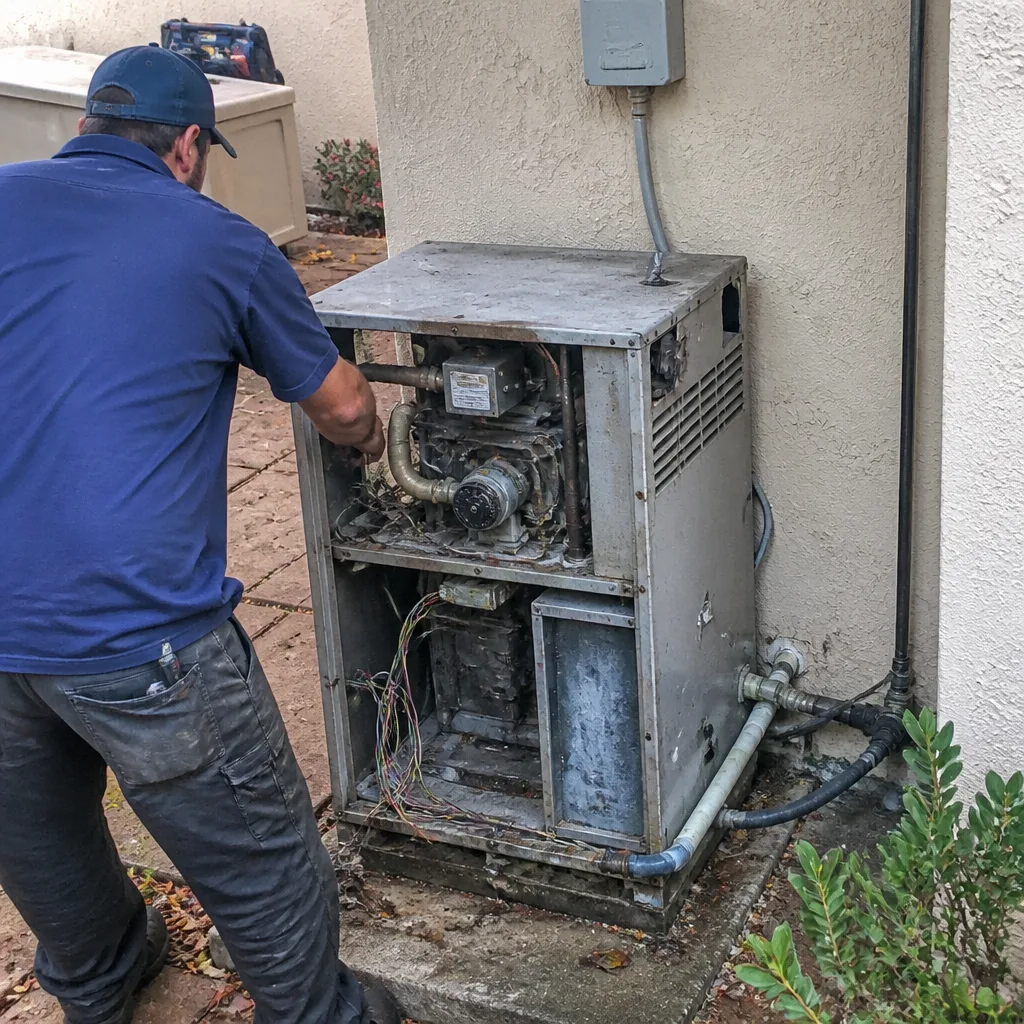 Before
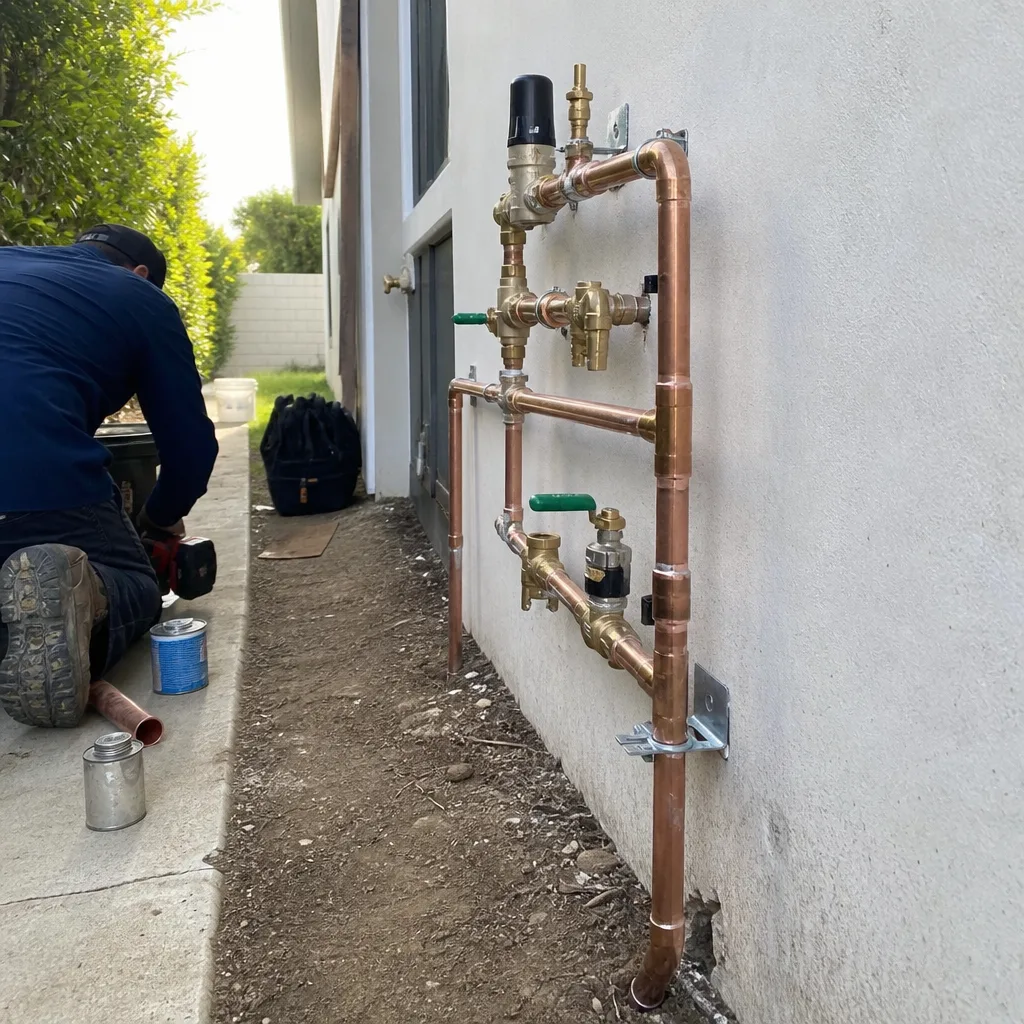 After
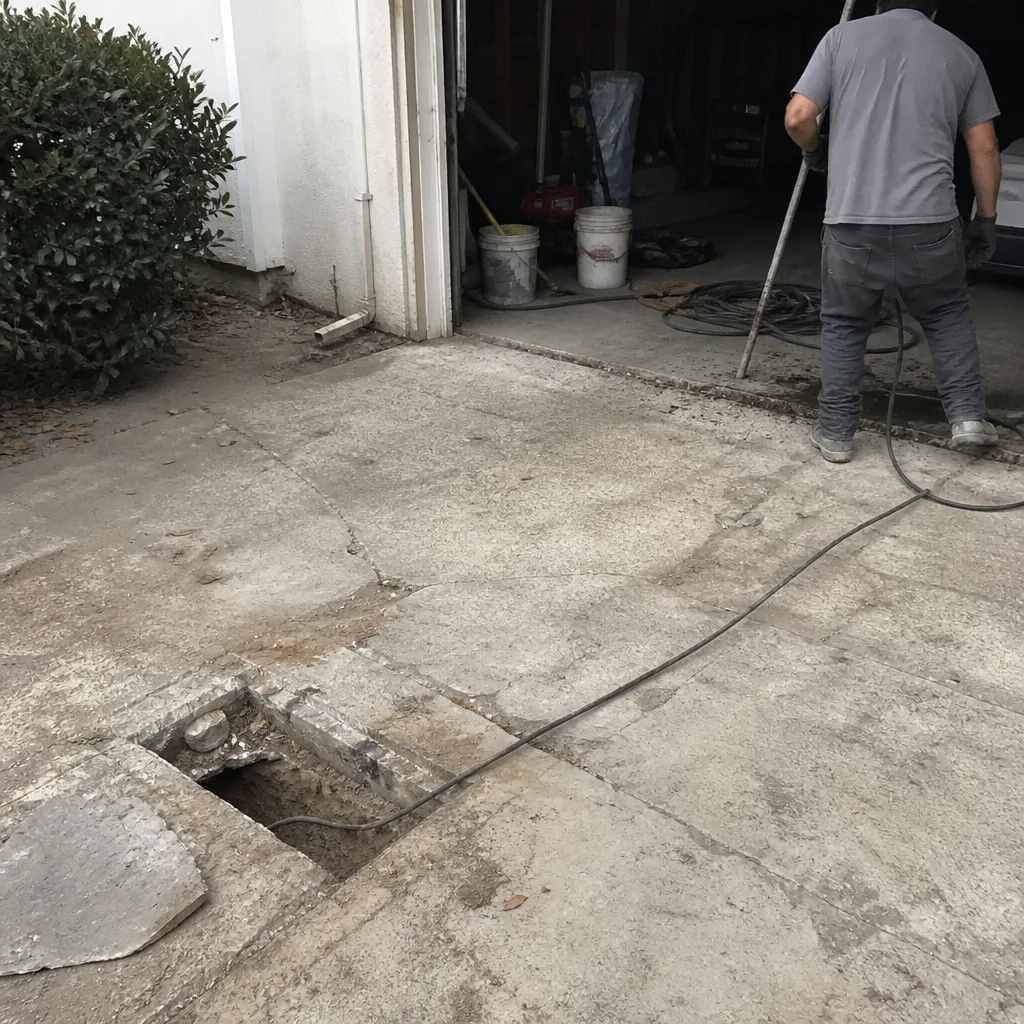 Before
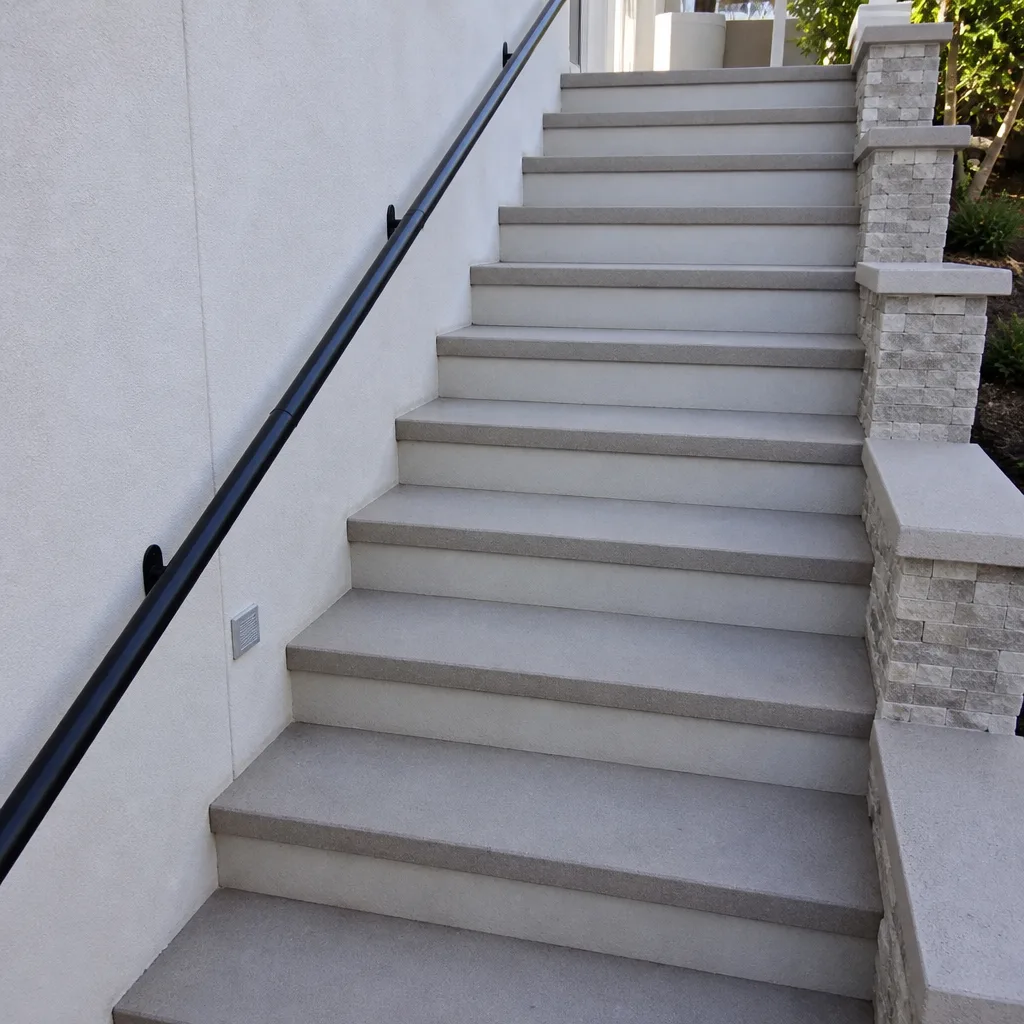 After
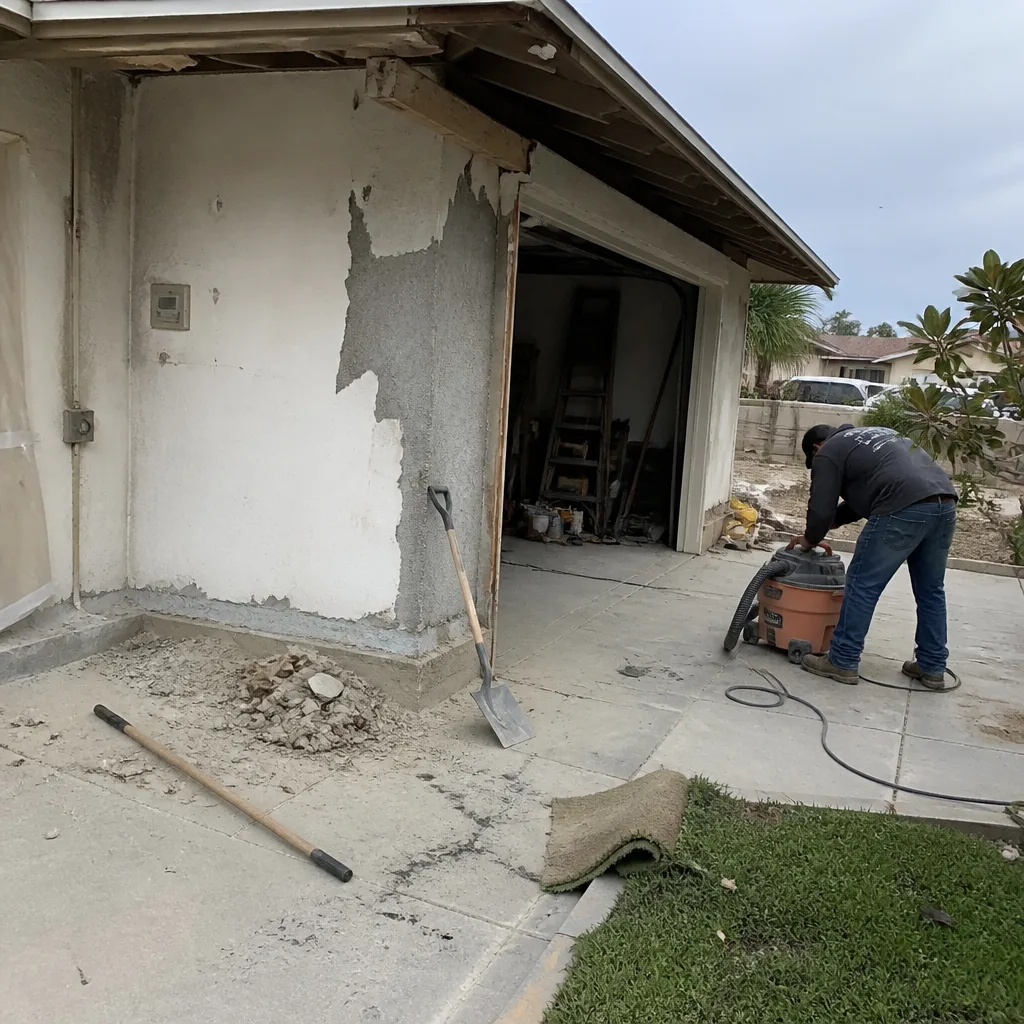 Before
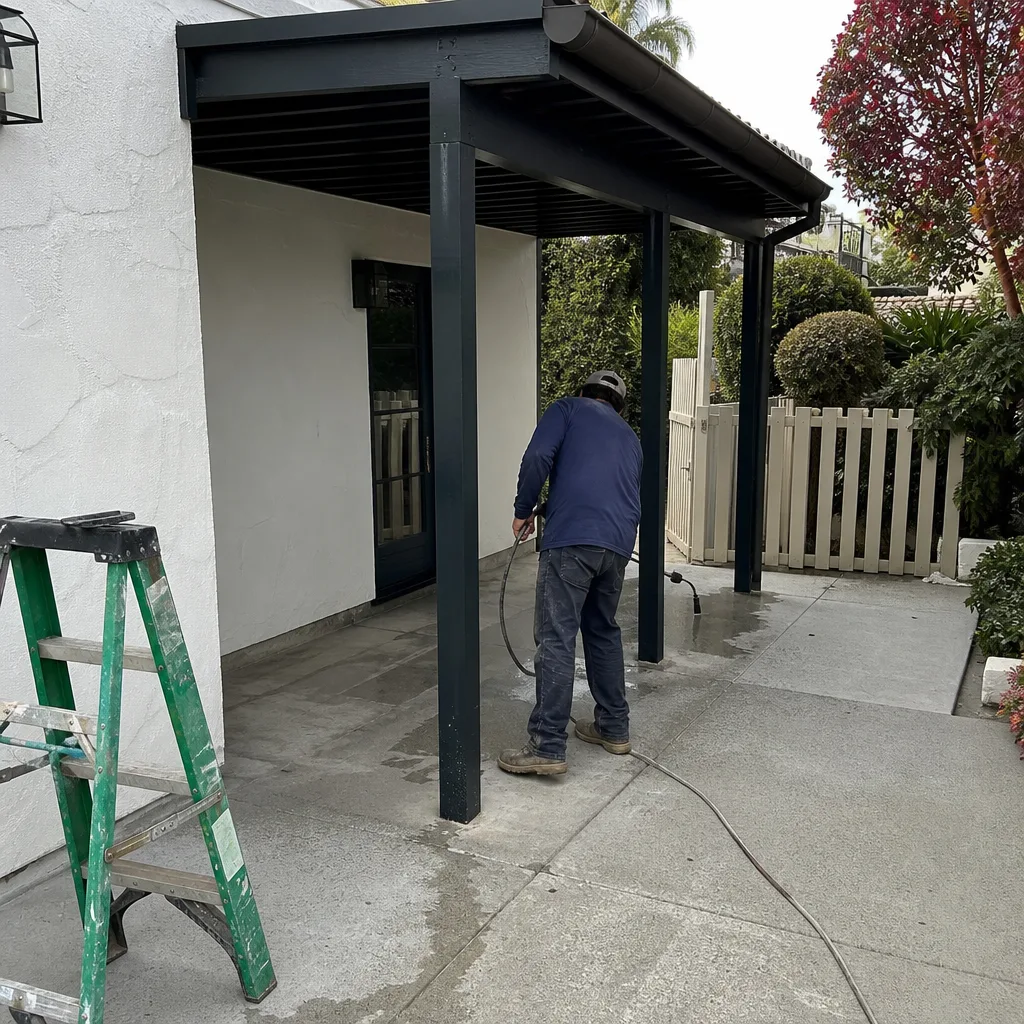 After
When to Call a Professional
Call a professional when you find rust on structural metal, rot in load-bearing trim, failed window seals, or any sign of water intrusion around windows and doors. Call when your roof shows granule loss, curling, or flashing rust and you need a real assessment, not a guess. Call when your HVAC condenser has fin corrosion or your pool equipment is showing white powder or flaking metal. If you’re planning a larger renovation, working with a Polaris Contractors home team means one point of accountability for the full exterior envelope: roof, windows, doors, siding, trim, and hardscape. We also work with homeowners on home renovation in Anaheim and the broader Orange County coast. For Newport Beach homeowners, the call is always free: (855) 473-6535. We’ll walk the property, identify what’s failing and what’s about to, and put together a plan that addresses the whole house, not one trade at a time.
Frequently Asked Questions
Every 3 months is the practical answer for homes within a mile of the ocean, with special attention to railings, flashing, fasteners, and HVAC condenser fins. Salt air corrosion works on a compressed timeline here, and quarterly inspection catches problems before they become replacements. Call (855) 473-6535 if you find rust or corrosion and want a professional assessment of what needs to be addressed now.
The quarterly fresh-water rinse of exterior mechanical equipment is the most overlooked maintenance item we see in Newport Beach. A 5-minute rinse of your condenser coil, pool equipment, and exposed metal removes salt film before it corrodes, and almost nobody does it consistently. It’s the cheapest insurance policy in this climate.
Realistically, 5 to 7 years on wood siding and trim in direct coastal exposure, compared to 10 to 15 years inland. The combination of intense UV and marine-layer moisture breaks down the paint film faster, and once the paint fails, the wood underneath starts absorbing moisture. Repainting on time is cheaper than repairing rot.
Not always different materials, but definitely a different specification. Concrete and clay tile hold up beautifully in Newport Beach’s salt air, and metal roofing works well with the right marine-grade coating. Standard asphalt shingles work but wear faster; specifying marine-grade flashing and fasteners matters as much as the shingle itself. Work with a contractor who knows the difference between an inland roof spec and a coastal one, or consult our General Contractor Troubleshooting: Common Problems and How to Fix Them.
Condensation between the glass panes is the definitive sign; it means the seal has broken and the insulating gas fill has escaped. At that point, replacement is the practical fix. Sealant failure around the frame is different; it shows up as cracking, peeling, or gaps in the caulk bead and can be repaired by re-sealing, which is far cheaper than replacing the unit.
We handle both. Most of our Newport Beach work starts as a renovation, but the same team that manages a full general contractor engagement in Anaheim and Orange County can also address exterior envelope issues: re-roofing, window and door replacement, trim repair, hardscape restoration, and paint. For homeowners planning a home remodeling project in Anaheim or coastal Newport Beach, the maintenance items in this guide are often part of the same scope we’d address anyway. Call (855) 473-6535 to talk through what your home needs.
The Bottom Line
Newport Beach homes need a different maintenance calendar than their inland neighbors. Quarterly corrosion checks, aggressive sealant and paint cycles, and annual full-envelope reviews are what prevent the five-figure repairs that coastal salt, moisture, and UV create on a compressed timeline. The good news is that the maintenance itself is mostly routine: rinse, inspect, re-seal, and repeat. The expensive part is waiting until the damage becomes obvious. If you’d rather have a professional eye on your home without scrolling through inspection checklists, Polaris Contractors offers free estimates in Newport Beach. Call (855) 473-6535 and we’ll walk your property, tell you what’s failing and what’s about to, and build a plan that treats your home as one system, not a list of disconnected parts.
Written by the team at Polaris Contractors, serving Newport Beach since 2018.